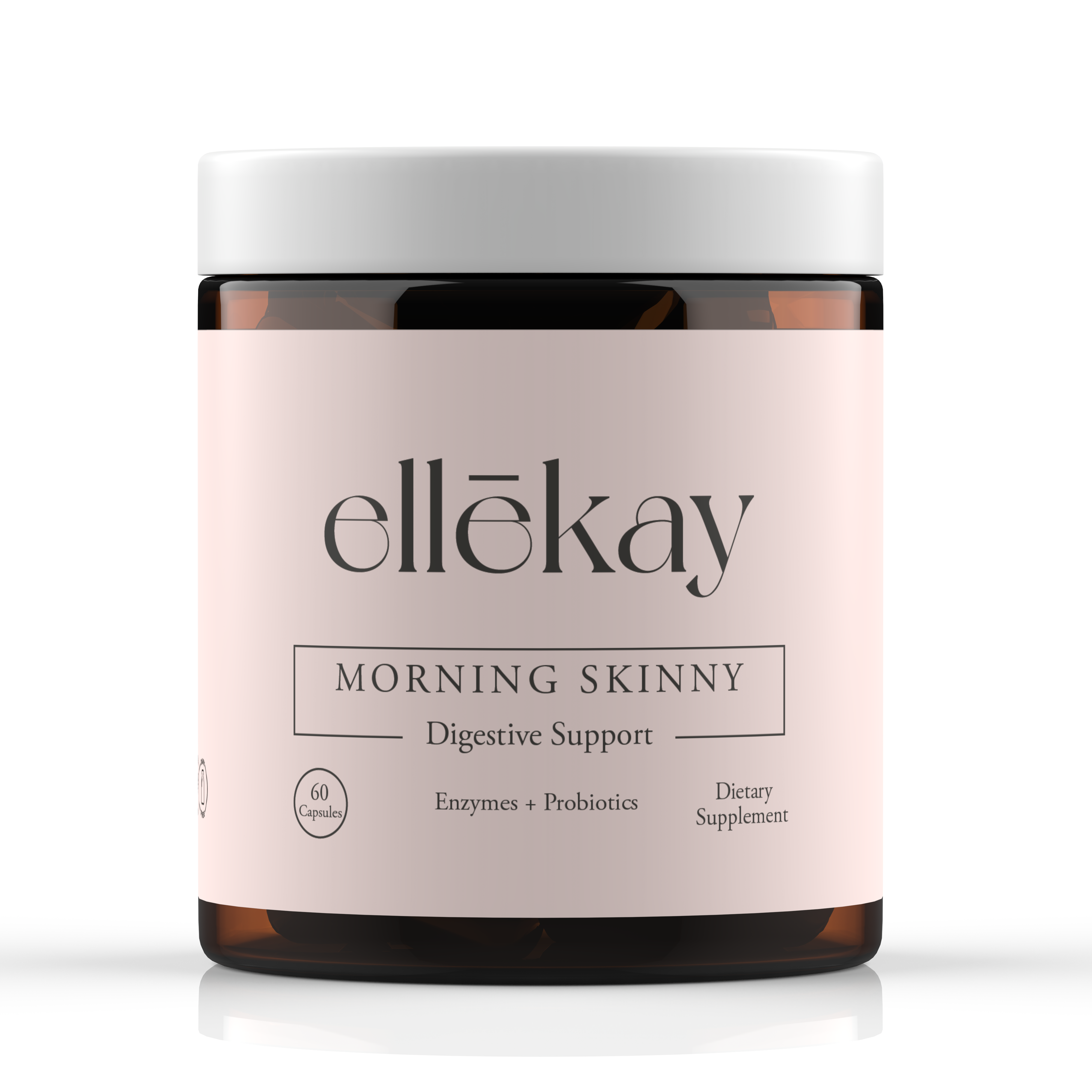
Menopause and gut health are more connected than most women realize. As estrogen levels fall, the gut microbiome shifts too, triggering bloating, constipation, and new food sensitivities. Understanding why digestion changes after 50 is the first step toward feeling good again, and the Morning Skinny formula was formulated with those exact hormonal changes in mind.
By Ellekay Team, Women's Wellness Experts
How Hormones Shape Your Gut Microbiome
Estrogen receptors line the entire GI tract, from the esophagus to the colon. When estrogen declines during perimenopause and menopause, the gut microbiome responds in measurable ways. A 2019 study by Peters et al. published in Cell Host and Microbe found that estrogen directly influences gut bacteria composition, particularly the balance of protective Lactobacillus species.
Lower estrogen correlates with reduced microbial diversity in postmenopausal women. This matters deeply for women health because a less diverse gut microbiota processes nutrients less efficiently, produces fewer protective compounds, and struggles to regulate inflammation. The changes gut bacteria undergo during this hormonal shift are part of why digestion can feel unpredictable after 50.
The Gut-Estrogen Feedback Loop
Understanding menopause and gut health requires understanding the estrobolome. This is the collection of gut bacteria responsible for metabolizing estrogen. Research by Guo et al. in Gut Microbes (2020) showed that a balanced gut microbiome actively regulates estrogen recirculation through the estrobolome. When gut microbiota become imbalanced, estrogen metabolism is disrupted, compounding the hormonal fluctuations already caused by menopause.
This creates a reinforcing cycle: declining estrogen disrupts gut bacteria balance, and disrupted gut bacteria make hormonal swings worse. For women who notice that hot flashes, mood shifts, and bloating cluster together, the gut-hormone connection often explains why. Rebuilding that balance can start with diet, with targeted probiotic foods and supplements, or both, and the right mix often comes down to convenience and consistency.
What Digestive Changes to Expect After 50
Constipation is the most commonly reported digestive change in postmenopausal women. Slower gut motility, reduced bile acid production, and shifts in gut bacteria all contribute. Many women also develop new sensitivities to foods like dairy, wheat, or high-fat meals that never caused issues before.
A study by Cain et al. in Menopause (2009) found that gastrointestinal symptoms were significantly more prevalent in postmenopausal women compared to premenopausal counterparts. Visceral hypersensitivity, where the gut registers normal amounts of gas and movement as uncomfortable, is also documented at this stage of life. The gut microbiome menopause research is consistent: these are not random changes. They are tied to hormonal biology.
Fatty Acids, the Gut Lining, and Inflammation
Short-chain fatty acids are produced when beneficial gut bacteria ferment dietary fiber. They fuel the cells lining the intestinal wall, regulate immune signaling, and help maintain the gut barrier. After menopause, women tend to have fewer of these protective fatty acids circulating in the gut because the bacteria that produce them decline alongside estrogen.
Research by Baxter et al. in Cell Host and Microbe (2019) linked reduced butyrate-producing microbes in postmenopausal women to increased intestinal permeability. A compromised gut lining allows bacterial fragments into the bloodstream, triggering chronic low-grade inflammation that contributes to fatigue, joint discomfort, and worsening gut microbiome menopause symptoms.
The gut's protective mucus layer, called the mucin layer, thins as estrogen and the bacteria that help maintain it decline. A thinner mucin layer leaves the intestinal wall more exposed, which is part of why supporting the gut lining matters as much as supporting digestion itself during this stage of life.

How to Rebuild Your Gut Microbiota After Menopause
The gut microbiome is adaptable. Even in the years following menopause, targeted dietary and lifestyle choices can improve health outcomes and gradually restore microbial diversity.
Prioritize fiber variety. Feeding a broad range of gut bacteria requires diverse plant foods. Legumes, leafy greens, oats, berries, and root vegetables each nourish different bacterial species. A 2021 study by Wastyk et al. in Cell found that dietary diversity directly increases gut microbiome diversity within weeks.
Include fermented foods. Kefir, kimchi, plain yogurt, and sauerkraut introduce live cultures that support existing gut bacteria populations and help restore balance after hormonal disruption.
Support with targeted supplements. Ellekay's Morning Skinny includes a gut-support blend formulated with women health considerations in mind, particularly for this hormonal stage of life.
Manage stress consistently. Chronic cortisol exposure reduces microbial diversity, worsens gut permeability, and amplifies inflammation. Even short daily mindfulness practices measurably reduce cortisol and positively influence gut bacteria balance over time.
Postbiotics, the beneficial compounds gut bacteria produce when they ferment fiber, are a newer category worth knowing about. Because they do not rely on live bacteria surviving digestion, they can be a useful complement to fiber and fermented foods for women working to rebuild gut balance after menopause.
Frequently Asked Questions About Menopause and Gut Health
Does menopause cause digestive problems?
Yes. Falling estrogen levels directly alter gut microbiota composition, slow intestinal motility, and reduce short-chain fatty acid production. The changes gut bacteria experience during this transition contribute to bloating, constipation, and new food sensitivities. Research by Cain et al. in Menopause (2009) confirmed that gastrointestinal symptoms are significantly more common in postmenopausal women compared to premenopausal counterparts.
What happens to the gut microbiome during menopause?
The gut microbiome menopause shift involves a measurable decline in microbial diversity, particularly a reduction in Lactobacillus species and fatty-acid-producing bacteria. The estrobolome also becomes less effective at regulating estrogen recirculation, worsening hormonal imbalance. Rebuilding diversity through fiber, fermented foods, and targeted probiotics can gradually restore gut microbiota balance over three to six months.
Can improving gut health reduce menopause symptoms?
Possibly, and meaningfully. Since gut microbiota regulate estrogen metabolism, a healthier gut microbiome may help moderate hormonal fluctuations. Improvements in bloating, regularity, and mood are frequently reported when women address gut microbiome menopause imbalances through diet and supplementation. Individual responses vary, and research in this area continues to grow.
Why are fatty acids important for women after menopause?
Short-chain fatty acids produced by gut bacteria maintain the intestinal barrier, regulate immune function, and reduce systemic inflammation. Postmenopausal women often see a decline in these protective fatty acids because SCFA-producing gut bacteria decrease alongside estrogen. Supporting those bacteria through high-fiber diets and probiotics is one of the most evidence-backed ways to improve health at this stage.
How do I know if my gut microbiome has changed after menopause?
Symptoms like new food sensitivities, increased bloating, constipation, and persistent fatigue can all signal gut microbiome shifts. If you want a clearer picture, at-home and clinical microbiome testing can help confirm what is changing and guide next steps with a provider.
Take the Next Step for Your Gut and Hormone Health
Menopause and gut health are deeply linked, and supporting one genuinely supports the other. If you have questions about which approach fits your body and your goals, contact the Ellekay team for guidance from women who understand every stage of this journey.