Gut microbiome tests promise a personalized map of your inner ecosystem, and for women navigating bloating, digestive discomfort, or just wanting to feel better from the inside out, that sounds worth exploring. But what do these tests actually measure, and can the results guide real change? Here is what you need to know before ordering a kit.
What a Gut Microbiome Test Is Actually Analyzing
When you submit a stool sample to a microbiome testing lab, the lab sequences the DNA in that sample to identify which bacterial species live in your gut and in what proportions. Most consumer kits use 16S ribosomal RNA (rRNA) sequencing, which targets a specific gene marker to classify bacterial groups. More advanced tests use shotgun metagenomic sequencing, reading the full genetic material in your sample for a more detailed and precise picture.
Your results report will typically include:
Diversity score: A measure of how many different bacterial species are present. Higher diversity is generally associated with a more resilient gut and better overall health outcomes.
Bacterial ratios: The balance between major bacterial phyla, including Firmicutes and Bacteroidetes. The research on what an "optimal" ratio looks like for any individual is still evolving.
Flagged species: Some tests highlight specific bacteria linked to functions like producing short-chain fatty acids, supporting the gut lining, or breaking down dietary fiber.
The Research Behind Microbiome Testing
The science of gut microbiome analysis has moved fast over the last decade. Dr. Justin Sonnenburg and his colleagues at Stanford University have published extensively on how diet shapes microbial diversity. A landmark 2021 study in the journal Cell, led by Wastyk et al. with the Sonnenburg Lab, found that a high-fermented-food diet increased microbiome diversity and reduced markers of inflammation in healthy adults. That kind of research shows why understanding your microbial community matters, even if the science of individual interpretation is still catching up.
The Human Microbiome Project, funded by the National Institutes of Health, established an equally important baseline: healthy people naturally carry very different bacterial profiles from one another. There is no single ideal microbiome, which is essential context when you sit down with your results.
Dr. Tim Spector, professor of genetic epidemiology at King's College London and co-founder of the British Gut Project, has noted that diversity is one of the most consistent markers researchers track, but that individual results need to be read with real-life context in mind.
What Your Results Can Tell You (and What They Cannot)
Consumer gut microbiome tests are informative, not diagnostic. That distinction matters.
What they can do: give you a snapshot of your bacterial landscape at one point in time, highlight patterns worth investigating, and give you a starting point for dietary and lifestyle adjustments.
What they cannot do:
- Diagnose any gut condition or disease
- Predict your exact health trajectory
- Tell you with precision what to eat for your specific biology (the research is not there yet)
If your diversity score comes back low, that is a meaningful signal. If beneficial bacteria associated with fiber digestion are underrepresented, you have a direction to explore. Think of the results as a conversation starter, not a final answer.

When a Gut Microbiome Test Is Worth Taking
A gut test tends to deliver the most value when you have a specific reason to investigate. Situations where it makes sense to consider one:
You have been managing persistent bloating or digestive discomfort and want a baseline before changing your diet or adding supplements. You are curious about how your microbiome shifted after a course of antibiotics or a significant dietary change. You want data to guide a more intentional approach to probiotics and fermented foods.
If you are generally feeling well and just want curiosity-driven insight, testing can still be interesting. Go in knowing the report is a starting point, not a prescription.
If digestive symptoms are significantly affecting your daily life, a conversation with a healthcare provider is the right first step. A clinician can interpret results alongside your full health picture in a way a consumer report cannot.
How to Use Your Results Practically
Once your results arrive, resist the urge to overhaul everything at once. A few grounded ways to act on what you learn:
Start with diversity. If your score is lower than average, focus on adding variety to your plate, particularly plant-based foods. Research from the American Gut Project (McDonald et al., Knight Lab, 2018, mSystems) found that people who ate more than 30 different plant types per week had significantly more diverse gut microbiomes than those eating fewer than 10.
Pay attention to flagged imbalances. If your report notes a lower presence of bacteria that produce short-chain fatty acids, that is a signal to increase prebiotic-rich foods like oats, garlic, bananas, and legumes.
Consider retesting after changes. Microbiome composition responds to diet. Running a second test after three to six months of consistent habit changes can show you whether your efforts are having an effect.
Supporting Your Gut Between Tests
Microbiome testing is one data point in a longer picture. Daily habits are what actually move your gut health forward over time. Consistent fiber intake, fermented foods, adequate hydration, reduced stress, and regular movement all influence your microbial community in ways no single test can fully capture.
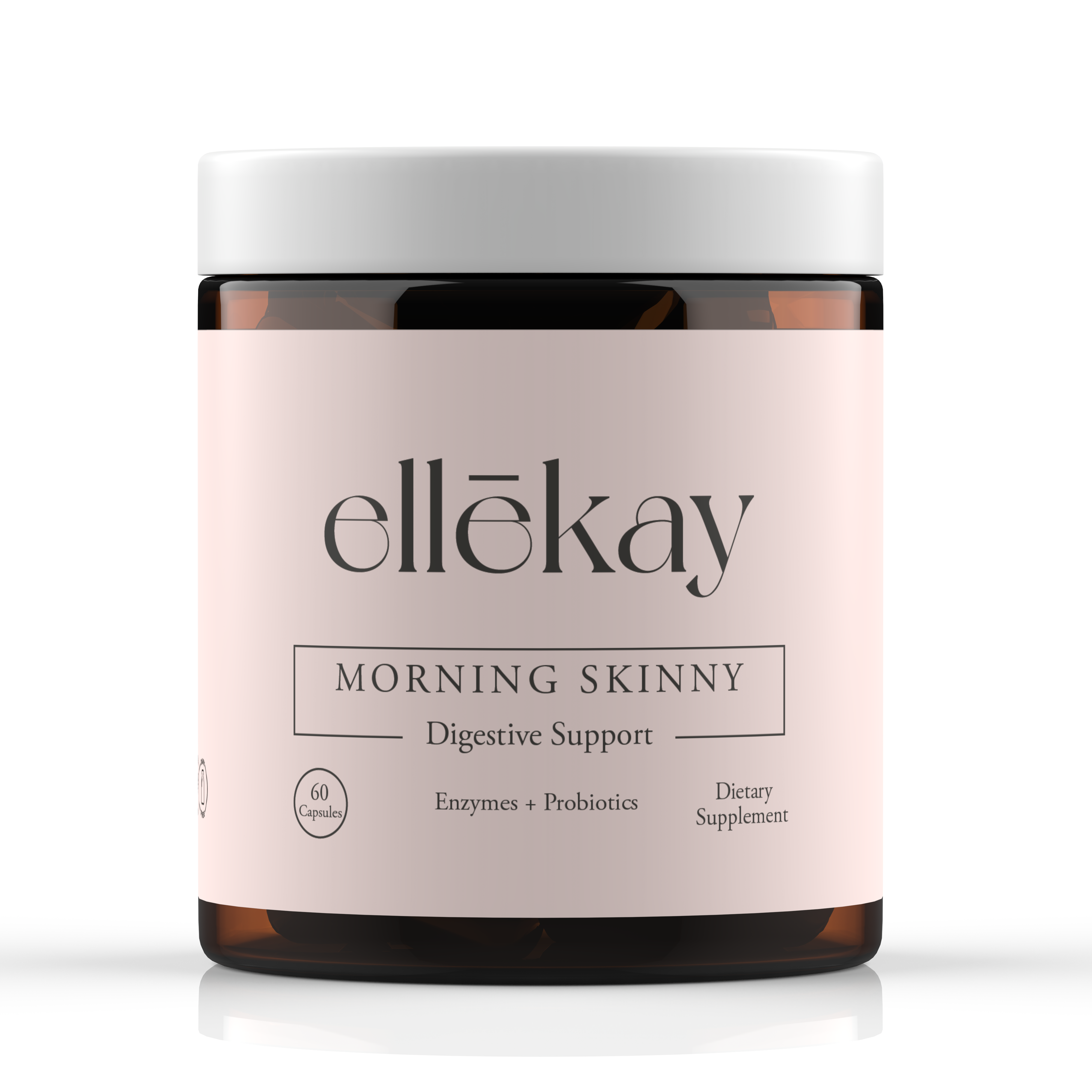
If you are looking for a daily supplement designed to support digestive balance and reduce bloating, Morning Skinny was formulated with women's gut wellness in mind. It is not a replacement for a balanced diet, but it fits naturally into a gut-supportive morning routine.
Frequently Asked Questions
Are gut microbiome tests accurate?
Consumer gut tests are generally reliable for identifying which bacteria are present, but accuracy varies by testing method. Shotgun metagenomic sequencing provides a more complete picture than 16S rRNA tests. Results also capture a single point in time, and your profile can shift week to week based on diet, stress, travel, and other lifestyle factors.
Can a gut test tell me what to eat?
Not with precision yet. Some companies offer personalized dietary suggestions based on results, but the science connecting specific microbiome profiles to individual food recommendations is still developing. Use any dietary guidance as a general direction to explore, not a strict protocol to follow.
How do I prepare for a gut microbiome test?
Most kits ask you to avoid antibiotics for at least two to four weeks before collecting your sample, since these can temporarily disrupt your bacterial profile. Follow the specific preparation instructions included with your kit for the most accurate snapshot.
How often should I test my gut microbiome?
There is no universal answer, but many practitioners suggest retesting every three to six months if you are actively making dietary or lifestyle changes. Annual testing is reasonable for general tracking if you are not targeting a specific concern.
Does Morning Skinny affect gut microbiome testing?
If you are planning a microbiome test, it is worth checking with the testing provider about whether any supplements should be paused before sampling. If you have questions about Morning Skinny and your wellness routine, reach out through the Ellekay contact page and the team is happy to help.
A gut microbiome test can be a genuinely useful tool for women who want to understand what is happening below the surface. Pair any insights you gain with consistent daily gut-supportive habits, and you have a real foundation for feeling your best. Morning Skinny is one simple way to support that foundation every single morning.