TL;DR: Probiotic-rich foods like yogurt and kefir deliver live cultures alongside vital nutrients, while probiotic supplements offer targeted specific strains in consistent daily doses. Both options support a healthy microbiome, and combining them often gives women the most complete gut health foundation.
Getting more probiotics into your day does not have to mean choosing one path or the other. Whether you lean toward probiotic-rich foods or reach for a daily supplement, understanding how each option works for your microbiome helps you make the choice that fits your life and your goals.
What Does "Probiotic-Rich" Actually Mean?
Probiotics are live microorganisms that, when consumed in adequate amounts, offer a beneficial effect on the host. The World Health Organization defines them this way, and researchers like Dr. Gregor Reid have spent decades studying how specific strains interact with the human gut lining and microbiome.
Probiotic-rich foods are those that contain naturally occurring or added live cultures. The most recognized food sources include yogurt, kefir, kimchi, sauerkraut, miso, and tempeh. These foods provide live bacteria alongside fiber, nutrients, and bioactive compounds that work together in ways no single supplement can fully replicate on its own.
Not all fermented foods qualify, though. Bread, wine, and most commercial pickles are fermented but do not deliver live cultures to your gut. True probiotic foods contain measurable colony-forming units (CFUs) that survive digestion long enough to reach the colon and support your microbiome.
The Real Gut Health Benefits of Fermented Foods
Food sources like yogurt and kefir carry the longest research record of any probiotic option. Yogurt kefir in particular has been shown to support digestion, ease bloating, and promote microbiome diversity. A 2022 study published in Cell by researchers at Stanford University (Wastyk et al.) found that a high-fermented-food diet increased microbiome diversity and decreased inflammatory markers in participants over ten weeks.
Beyond live cultures, probiotic-rich foods provide nutrients your body uses throughout the day. Yogurt offers calcium, protein, and B vitamins. Kimchi delivers vitamin C and antioxidants. Miso contributes minerals and essential amino acids. Eating these foods means you are building gut health and nutrition at the same time.
The variety of strains found across different fermented foods is another real advantage. Yogurt typically contains Lactobacillus bulgaricus and Streptococcus thermophilus. Kefir brings a broader range, including Lactobacillus kefiri and various beneficial yeasts. Rotating through different probiotic-rich foods throughout the week gives your microbiome exposure to multiple bacterial families, which researchers associate with better overall health and resilience.
Where Food Sources Hit Their Limits
Probiotic-rich foods are valuable, but they come with real constraints. CFU counts vary widely between brands and even between batches. Pasteurization can eliminate live cultures if it occurs after fermentation. Many store-bought fermented products are made with vinegar and contain no live bacteria at all.
For women managing specific digestive concerns, food sources alone may not deliver the right specific strains in effective amounts. Lactose sensitivity can make yogurt and kefir difficult to tolerate daily, cutting off two of the most accessible probiotic options available.
Consistency is another challenge. Getting enough live cultures through diet requires intentional meal planning and reliable access to quality fermented foods. For many busy women, that is not always a realistic daily standard.
When a Daily Supplement Fills the Gap

Probiotic foods supplements bridge the distance between what food sources deliver and what your gut may need on any given day. A quality supplement offers several advantages that foods cannot always provide consistently.
First, supplements deliver specific strains in measured doses. This matters because probiotic research is strain-specific. Lactobacillus rhamnosus GG, for example, has been studied for its role in gut barrier function and immune support (Gorbach, 1996, Nutrition Today). A general fermented food cannot guarantee that strains probiotic supplements contain, or the dose needed for a targeted benefit.
Second, a daily supplement is consistent. You know exactly what you are taking and in what amount, without worrying about CFU variability between containers of yogurt or the seasonal availability of fermented vegetables.
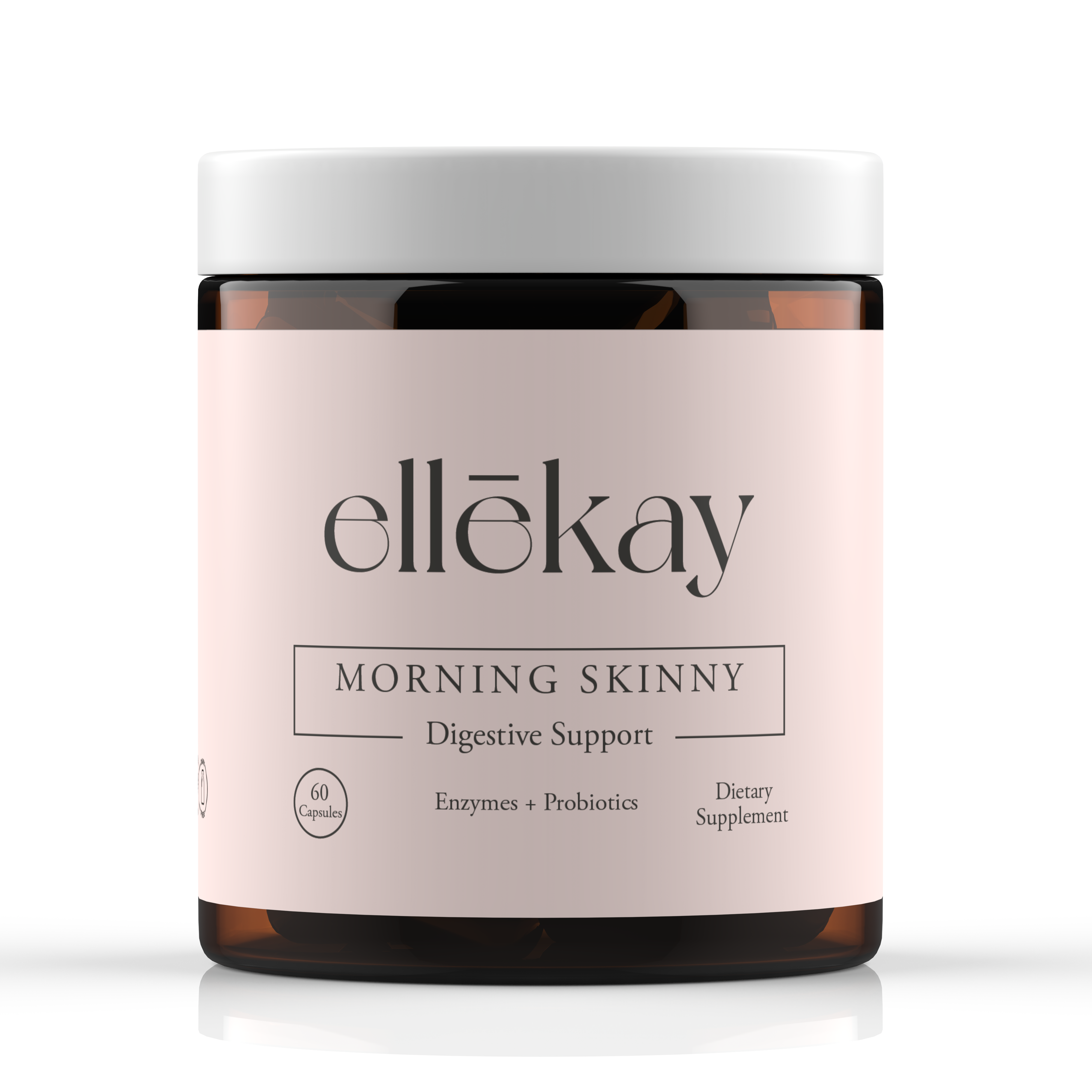
Third, quality supplements often combine probiotics with prebiotics and digestive enzymes, creating a formula designed to support the entire digestive process rather than simply adding live bacteria. Morning Skinny from Ellekay takes this full-system approach, pairing probiotics with complementary digestive support so each serving works with your body's natural rhythm.
Specific Strains and Their Effectiveness
Not all probiotic strains deliver the same results. The effectiveness of any probiotic, whether from food or a supplement, depends on the specific strains present and whether they match your wellness goals.
Lactobacillus acidophilus is one of the most studied strains and appears in some yogurts and many targeted supplements. Research published in the Journal of Dairy Science (Sanders et al., 2010) shows it supports lactose digestion and may help maintain vaginal flora balance, which connects directly to gut microbiome health in women.
Bifidobacterium longum is found in certain fermented dairy products and is frequently included in gut health supplements. Studies suggest it supports immune function and may help reduce the duration of digestive discomfort.
Saccharomyces boulardii is a beneficial yeast available only through specialty supplements. It has a strong evidence base for supporting gut recovery after antibiotic use (McFarland, 2010, International Journal of Antimicrobial Agents).
Foods like yogurt and kefir cannot reliably deliver all of these specific strains. A quality supplement can combine several in a single daily serving, making it easier to address multiple areas of digestive and immune health without restructuring your entire diet.
Prebiotics, Fiber, and the Microbiome Foundation
Probiotics get most of the attention, but prebiotics are equally important for a thriving microbiome. Prebiotics are non-digestible fibers that serve as food for beneficial bacteria. Without an adequate prebiotic supply, even the best probiotic strains will struggle to colonize and thrive.
Probiotic-rich foods that also contain fiber, such as sauerkraut, kimchi, and whole grain miso, naturally pair probiotics and prebiotics in a single serving. This synergy is part of why whole food sources are so effective when they appear consistently in your daily nutrition.
Probiotic foods supplements that include prebiotic ingredients, such as chicory root, inulin, or FOS, replicate this synergy in a convenient daily format. When you see both probiotics and prebiotics on a supplement label, that combination is called a synbiotic, and researchers at Harvard's T.H. Chan School of Public Health have noted that synbiotic approaches may offer more durable microbiome changes than probiotics alone.
Adding fiber-rich foods throughout your day, such as leafy greens, legumes, oats, and whole grains, further feeds the beneficial strains you are cultivating through both food and supplement sources.
How to Build a Daily Gut Health Routine That Sticks
The most useful question is not "foods or supplements" but: what will you actually do consistently every day? The best approach for most women combines both.
Start your mornings with a probiotic-rich option. A bowl of plain yogurt with fruit and seeds delivers live cultures alongside protein, fiber, and nutrients. Rotate through different food sources across the week to expose your microbiome to a variety of bacterial strains.
Layer in a daily supplement that targets specific strains your diet may not consistently provide. Taking your probiotic supplement at the same time each morning supports regularity and helps maintain a stable gut environment throughout the day.
Support both with prebiotic fiber across your meals. Foods like bananas, garlic, onions, and asparagus provide nutrients that feed the beneficial bacteria you are cultivating, whether they came from yogurt or a capsule.
Frequently Asked Questions
Can I get enough probiotics from food alone without a supplement?
Many women do support healthy digestion through diet alone, especially when probiotic-rich foods like yogurt and kefir are part of a consistent daily routine. Achieving the specific strains and consistent CFU counts that targeted wellness goals may require can be difficult through food alone. A supplement can fill those gaps without replacing the benefits that whole food sources naturally provide.
Do probiotic supplements survive stomach acid to reach the gut?
High-quality probiotic supplements are formulated with enteric coatings or acid-resistant strains specifically chosen to survive the journey through stomach acid. Research in the journal Beneficial Microbes (Hill et al., 2014) confirms that strain selection and delivery technology are the primary factors in whether probiotics reach the colon alive and in meaningful numbers.
Are probiotic foods better for the microbiome than supplements?
Research suggests both offer real benefits, and they are not competing options. Probiotic-rich foods provide variety, nutrients, and a natural food matrix that supports absorption. Supplements provide consistency, specific strains, and doses that are difficult to match through diet. Using both as part of a daily routine generally offers the most complete microbiome support.
How long before probiotics make a noticeable difference?
Most research suggests noticeable changes in digestion and bloating can occur within two to four weeks of consistent daily use. A 2019 review in Frontiers in Microbiology noted that microbiome shifts from dietary interventions often require at least three weeks to stabilize. Consistency with your routine matters more than which source you choose.
Is it safe to take a probiotic supplement every day?
For most healthy women, daily probiotic use is well-tolerated and considered safe. Gut health supplements are not a substitute for medical advice, and women with immune-compromised conditions or serious health concerns should consult a healthcare provider before starting any new supplement routine.
Building a gut health routine you can actually maintain is the real goal. Whether you begin by adding more probiotic-rich foods to your meals or exploring a targeted daily supplement, reach out to the Ellekay team for personalized guidance on your next step.