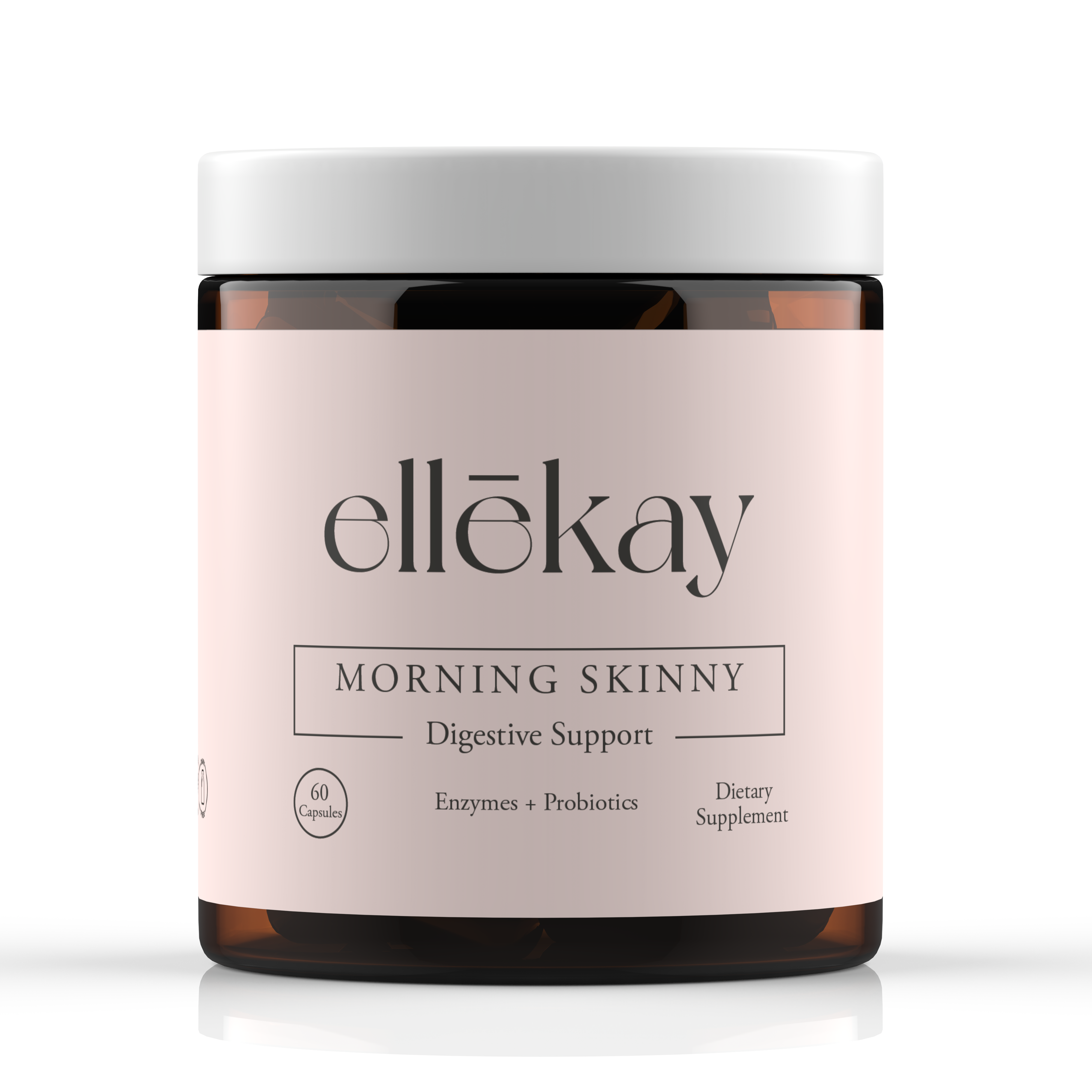
If your energy, weight, and mood feel stuck no matter what you try, the answer may start in your digestive system. Gut health and thyroid function are more connected than most women realize, and small imbalances in your gut microbiome can quietly disrupt hormone production. That is exactly why the Morning Skinny formula was designed with that link in mind.
By Ellekay Team, Women's Wellness Experts
The Gut Health and Thyroid Link Explained
Your thyroid gland sits at the base of your neck, but its performance depends heavily on what happens much lower down, in your gut. The gut microbiome, the trillions of bacteria living in your digestive tract, plays a direct role in thyroid function by helping convert inactive thyroid hormone into its active, usable form. When that microbial balance is off, thyroid health can suffer even if bloodwork looks normal on paper. This connection helps explain why so many women with thyroid symptoms have unresolved digestive complaints as well.
Researchers often describe this relationship as the gut thyroid axis, or the thyroid gut connection, a two-way communication system where digestive bacteria influence hormone metabolism and thyroid hormones in turn shape gut bacteria composition. Understanding this axis is the first step to addressing symptoms like fatigue, bloating, and stubborn weight gain that do not respond to diet or exercise alone.
How Thyroid Hormones Depend on a Healthy Gut Microbiome
A meaningful share of thyroid hormone conversion happens outside the thyroid gland itself, largely in the gut, where specific bacteria produce enzymes that convert T4 into the more active T3. If harmful bacteria outnumber beneficial strains, this conversion process slows down, and thyroid hormone levels can drop even when the thyroid gland is producing normally. This conversion step is one of the most overlooked pieces of the thyroid puzzle, yet it can make the difference between feeling energized and feeling drained.
This is one reason two women with nearly identical bloodwork can feel completely different day to day. Gut bacteria diversity affects how efficiently the body uses the hormone it already has. A gut environment low in fiber-fermenting bacteria and high in inflammatory strains can leave circulating hormone levels technically normal while the tissues that need them remain under-supplied, a pattern some clinicians describe as subclinical hypothyroidism.
Leaky Gut, Inflammation, and Autoimmune Thyroid Disease
When the gut lining becomes too permeable, a condition often called leaky gut, undigested food particles and bacterial toxins can pass into the bloodstream. The immune system responds to these invaders with inflammation, and in some women that immune response mistakenly begins attacking the thyroid gland itself. This is the mechanism many clinicians point to when discussing autoimmune thyroid disease.
Hashimoto thyroiditis, the most common form of autoimmune thyroid disease in the United States, is closely tied to this gut-driven inflammation. According to the National Institutes of Health, autoimmune conditions like Hashimoto thyroiditis develop when the immune system attacks healthy tissue, and a compromised gut barrier is increasingly recognized as one of the environmental triggers that can set this process in motion for women who are genetically predisposed. Left unmanaged, chronic inflammation from a leaky gut can accelerate thyroid disease progression and worsen symptoms like fatigue and weight gain.
This same leaky gut mechanism can influence immune responses well beyond the thyroid, including how the body reacts to common allergens. Our gut health and allergies piece looks at that immune connection more closely.

Celiac Disease and Its Impact on Thyroid Function
Celiac disease is an autoimmune condition triggered by gluten that damages the small intestine's lining, and it shows up far more often in women with thyroid disorders than in the general population. The overlap is significant enough that many endocrinologists recommend celiac screening for women diagnosed with autoimmune thyroid conditions, and thyroid screening for those diagnosed with celiac disease. For many women, addressing one condition without screening for the other means chasing symptoms without ever finding the root cause.
The connection makes sense once you consider shared genetics and the gut damage celiac disease causes. A damaged intestinal lining struggles to absorb the nutrients thyroid function depends on, including selenium, zinc, and iodine. Without adequate treatment, whether that means a strict gluten-free diet for celiac disease or thyroid hormone replacement for hypothyroidism, both weight gain and persistent fatigue tend to linger.
Addressing the gut issue often improves how well thyroid medication is absorbed and utilized. A disrupted gut can also make the scale stall even when diet and exercise have not changed, since poor hormone conversion and ongoing inflammation both slow the metabolic processes weight loss depends on.
Everyday Ways to Support Gut Health and Thyroid Function
Small daily habits can meaningfully support gut health and thyroid function together. Eating a variety of fiber-rich vegetables feeds beneficial bacteria, which helps keep inflammation levels low and supports the enzyme activity your body needs to convert thyroid hormone into its active form. Fermented foods like yogurt, kefir, and sauerkraut introduce diverse bacterial strains that can help strengthen a compromised gut lining over time. Staying well hydrated and limiting excess sugar can further reduce the inflammatory load your gut, and by extension your thyroid, has to manage.
Stress management matters too. Chronically elevated cortisol can slow digestion and disrupt the same gut bacteria responsible for healthy hormone conversion, creating a cycle that keeps both gut and thyroid symptoms flared up. Many women also find that a gentle, gut-supportive formula fits naturally into a morning routine. Morning Skinny gut-debloat blend was formulated to support digestive comfort and a balanced microbiome, the same foundation your thyroid gland relies on to function well.
If you have recently finished a round of antibiotics, rebuilding your bacterial diversity is especially important, and fiber-rich, fermented foods can help repopulate beneficial strains more quickly to support both digestion and thyroid hormone conversion. Our antibiotic recovery guide has more specifics, and staying consistent with these habits day to day matters more than any single food or supplement.
Frequently Asked Questions
What is the connection between gut health and thyroid problems?
Your gut microbiome helps convert inactive thyroid hormone into its active form and keeps inflammation in check. When gut bacteria are imbalanced, gut health and thyroid function both suffer, often showing up as fatigue, bloating, and weight gain that persist even when bloodwork comes back within normal ranges.
Can leaky gut cause thyroid disease?
Leaky gut alone does not directly cause thyroid disease, but it can trigger the immune response linked to autoimmune thyroid disease, including Hashimoto thyroiditis. A permeable gut lining lets bacterial toxins into the bloodstream, and in genetically predisposed women that immune activation may contribute to thyroid tissue damage over time.
Does celiac disease affect thyroid function?
Yes. Celiac disease damages the small intestine's ability to absorb nutrients that thyroid function depends on, and it appears far more often alongside autoimmune thyroid conditions. Many women with unexplained thyroid disorders are advised to get screened for celiac disease, since treating one condition often improves symptoms of the other.
What are the signs my gut may be affecting my thyroid?
Persistent bloating, fatigue, stubborn weight gain, and thyroid hormone levels that look normal on paper but still cause symptoms can all point to a gut-thyroid imbalance. If dietary and lifestyle changes have not helped, it may be worth discussing gut health and thyroid function with your doctor together.
How can I support gut health and thyroid function at the same time?
Eating fiber-rich, fermented foods, managing stress, and avoiding unnecessary antibiotics all support a diverse gut microbiome, which in turn supports healthy thyroid hormone conversion. A gentle daily gut-support routine, like the one built into Morning Skinny, can also help maintain that balance.
Talk to Ellekay About Your Gut and Thyroid Health
You do not have to untangle the gut-thyroid connection on your own. If you have questions about which products fit your routine or want personalized guidance, contact the Ellekay team today.