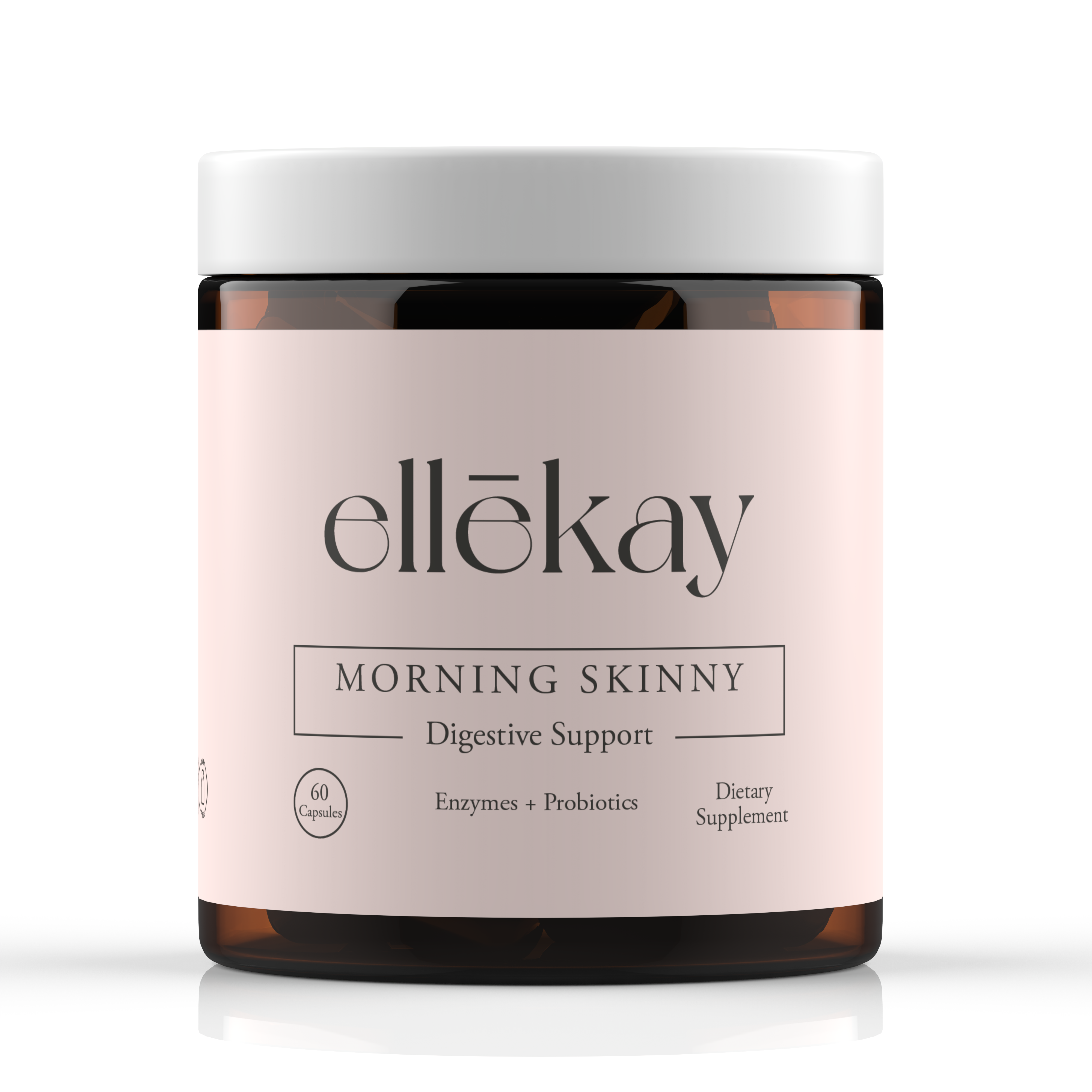
What to do after holiday overeating is simpler than the internet makes it sound: drink water, take a gentle walk, eat your next meal on schedule with protein and fiber, and let your body reset. Skipping meals backfires. For digestive support after the biggest meal, the Morning Skinny gut-debloat blend is one option.
By Ellekay Team, Women's Wellness Experts
A big holiday party meal can leave you stuffed, sleepy and a little guilty. The discomfort is real, but it passes, and one meal does not erase your habits. Here is the reset, in order:
-
Sip water or herbal tea. Plain water, ginger tea or peppermint tea feels good on a heavy stomach.
-
Stay upright for a few hours. Mayo Clinic's heartburn advice includes waiting about three hours after eating before you lie down, because lying flat lets stomach acid creep back up.
-
Take a gentle 10 to 15 minute walk. Light movement supports digestion. Skip the punishing workout.
-
Eat your next meal at its normal time. Wait for real hunger, then eat slowly. Do not eat as penance.
-
Go to bed on time. Short sleep can make cravings louder the next day.
That sequence is also how you reset your stomach after overeating: water, movement, time and a normal meal, not a cleanse.
How to Bounce Back After a Week of Bad Eating
Six holiday parties in three weeks add up to rich holiday meals, extra snacks and late dinners. What to do after holiday overeating is the same here, with a bit more structure.
Start with a normal routine. Three steady meals a day, plus one planned snack if you need it, end the grazing cycle. Build each plate around vegetables, protein and fiber-rich whole grains, and keep your favorites on it in normal portions. Add water and a short walk after you eat. A digestive reset after vacation follows the same pattern: steady meals, water, movement and fiber rather than a cleanse.
Can’t Stop Eating After Christmas?
Cravings linger because holiday food is built to be eaten again. Sugar, fats and salt taste great together, and leftovers sit in plain sight. Stress, late nights and a skipped lunch stack up too.
The fix is usually plain. Eat regular meals with protein and fiber, plan your snacks on purpose, and write down your triggers so you can see them coming. Mindful eating helps: sit down, set the fork down between bites, and ask whether you are hungry or just near the food.
One caution. If you feel out of control around food, binge and then restrict, or feel deep shame after eating, that pattern may point to an eating disorder. A doctor or a registered dietitian can help, and asking early makes it easier.
How Much Holiday Weight Gain Is Real After a Few Big Parties
Less than the scale first suggests. A widely cited 2000 study by National Institutes of Health researchers in the New England Journal of Medicine followed adults through the holiday season and found an average gain of about 0.8 pounds. It remains a common reference for holiday weight gain.
A jump of a few pounds the morning after is usually water, not fat. Carbohydrates are stored with water, and salty party food makes the body hold more of it. A pound of body fat takes a surplus of roughly 3,500 calories, a common rule of thumb, and that is hard to reach in one weekend. If you have a history of an eating disorder, skip the scale and talk with your care team.
Can One Week of Holiday Overeating Cause Lasting Weight Gain?
Usually not much. One week of overeating adds a small amount that most people can lose by going back to normal meals. The bigger risk is the holiday that never ends: leftovers through New Year's, then January. In that same study, many people did not lose the gain over the following months, which is how small gains pile up over the years. The habit you return to after the holidays matters more than any single holiday party.

What Post Holiday Recovery Looks Like Day by Day
A realistic post holiday recovery runs about a week, and everyone moves at a different pace.
| When |
What to do |
What to expect |
| Day 1 |
Water, a walk, stay upright, then a normal next meal |
Fullness and bloating ease |
| Days 2 to 3 |
Three regular meals with vegetables, protein and fiber, plus one planned snack |
Hunger signals start to sync up and cravings dip |
| Days 4 to 7 |
Plan lunches, sleep well, resume normal activity |
Energy and digestion feel steadier |
| Week 2 and beyond |
Back to your routine, favorites included |
The party feels like a blip |
How Long Does It Take to Recover From Holiday Overeating?
Most people feel physically normal within a day or two. Bloating from one big meal usually eases within hours to a day. After a week of heavy eating, hunger signals and cravings often need three to seven days of steady meals to settle, and water weight usually follows within about a week. Medical conditions, medications and stress change the timeline. If pain, vomiting or discomfort lasts beyond a couple of days, call your doctor.
Do You Need a Post Holiday Diet?
No. Strict diets after the holidays tend to set up the next round of overeating. A registered dietitian can build a plan around your health history, but a crash plan is rarely it.
Skip detoxes, juice cleanses and calorie-counting marathons. Eat the balanced meals you ate before the holidays instead: carbohydrates from whole grains, fats from nuts, olive oil and fish, protein, and plenty of vegetables. Keep your favorites on the table in normal portions. If you have a history of an eating disorder, rule-heavy plans carry real risk, so talk to your clinician first.
Should I Fast or Skip Meals After Eating Too Much at Holiday Parties?
No. Fasting after a big night usually backfires. Skipped meals raise hunger, so you overeat at the next chance, often with bigger bites and faster eating. That sets up a swing between restricting and overeating, especially across back-to-back gatherings. Your body already handles the extra food through normal digestion. If skipping meals becomes your habit, talk with a doctor, since repeated restricting can be part of an eating disorder pattern.
What Should I Eat the Day After Overeating?
Aim for ordinary, filling food. Fiber, protein and water support digestion and keep fullness steady.
-
Breakfast: eggs or Greek yogurt, oatmeal or whole-grain toast, and berries.
-
Lunch: a big salad or soup with beans, extra vegetables, and chicken, fish or tofu.
-
Snack: an apple with nut butter, or hummus with raw vegetables.
-
Dinner: protein, roasted vegetables, and brown rice or potatoes.
If your digestion needs backup, Morning Skinny is a digestion, de-bloat and gut microbiome support capsule, not a weight-loss pill. You take two capsules with water after the largest meal of the day, which at a holiday party is usually dinner. Because the enzyme blend only acts on the food it arrives with, late capsule timing wastes that half of the formula. Check with your doctor first if you are pregnant, nursing or taking medication. You can read the full label, from the lemon balm, dandelion root, ginger root and peppermint extracts to the enzyme and prebiotic and probiotic blends, on the Morning Skinny ingredients overview.
Frequently Asked Questions
How do you reset your stomach after overeating?
Give it a calm day. Sip water or ginger tea, stay upright for a few hours, and take a short walk. Then eat your next meal at its normal time with protein, vegetables and fiber. Skip fasting, cleanses and hard workouts, which tend to backfire.
How do you get rid of the feeling after overeating?
The physical fullness eases with time, water, a gentle walk and staying upright. The guilt fades faster when you skip punishment and return to your normal routine. If guilt after eating is intense or constant, speak with a doctor or counselor.
Should I lie down after overeating?
Try not to lie flat right away. Lying down soon after a large meal can let stomach acid rise and cause heartburn, and Mayo Clinic's guidance suggests waiting about three hours. Sit upright, and take a short walk first if you feel up to it. Talk to your doctor if reflux is frequent.
What should I do the next day after overeating?
Keep the day ordinary. Eat breakfast with protein and fiber, drink water, and move gently. Plan lunches and snacks so you do not graze. One heavy meal rarely changes your weight for long, so the goal is simply to return to your routine.
How long do the effects of overeating last?
Bloating and fullness from a single large meal usually ease within hours to a day. After several days of heavy eating, appetite and cravings often need three to seven days of regular meals to settle. See a doctor if pain, vomiting or discomfort lasts more than a couple of days.
Questions About Taking Morning Skinny After a Big Meal?
Planning around the next holiday party and wondering how two capsules fit your meal schedule? Send your question when you contact the Ellekay team.