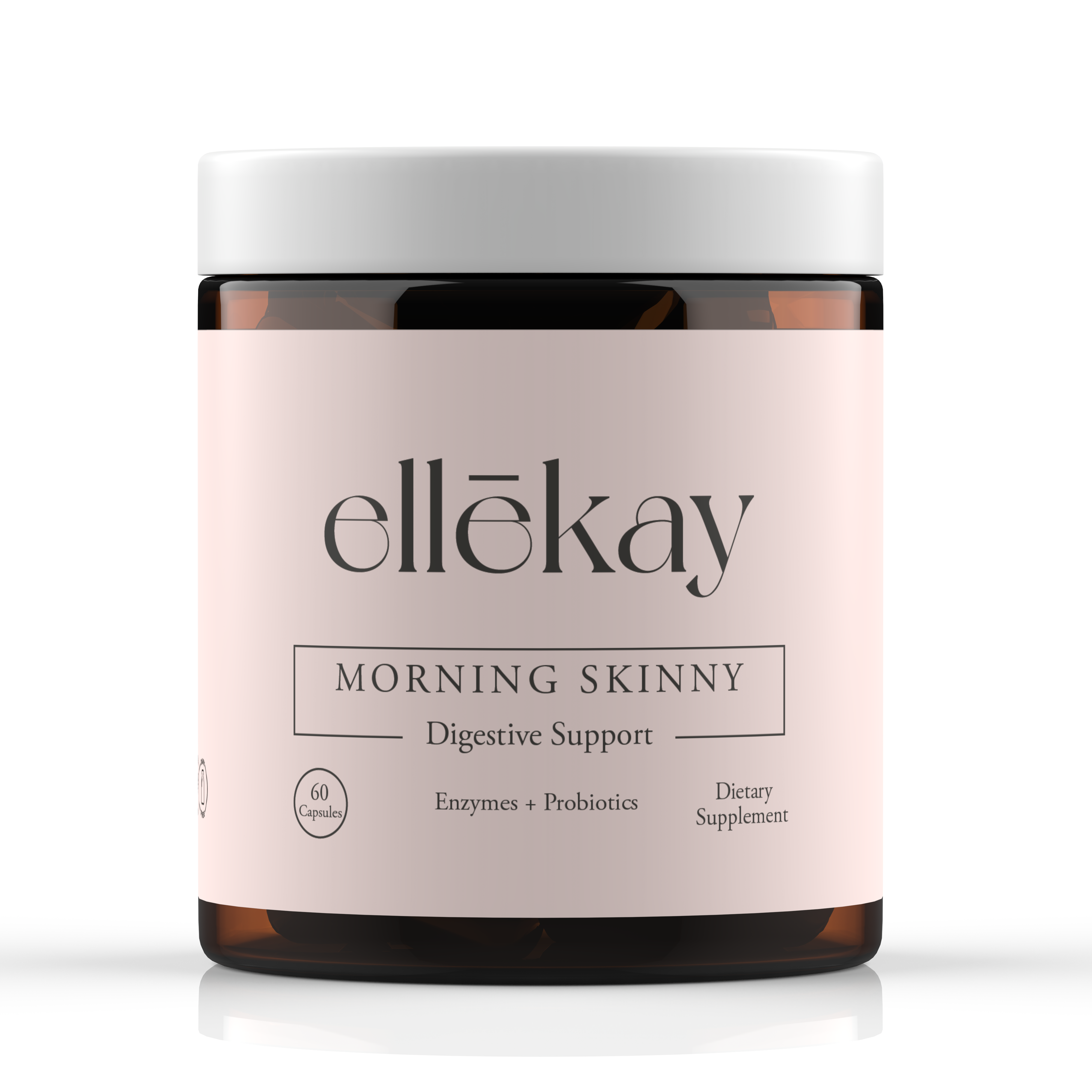
Gut health after antibiotics takes time to restore, but the right approach helps your microbiome bounce back faster. Antibiotics cannot distinguish between harmful pathogens and the beneficial bacteria your body depends on, which disrupts your gut microbiome. Targeted foods, probiotics, and the Morning Skinny gut-debloat blend offer daily digestive support.
By Ellekay Team, Women's Wellness Experts
Why Antibiotics Disrupt Your Gut Microbiome
When you finish a course of antibiotic treatment, the infection may be cleared, but so are billions of the gut bacteria that kept your digestion balanced. Antibiotics work broadly, eliminating pathogens and beneficial bacteria alike because they cannot selectively target only harmful strains.
Research by Dethlefsen and Relman published in PLOS Biology (2011) found that even a short course of antibiotics can significantly reduce gut microbiome diversity, with some bacterial species taking months to recover. This is not a minor side effect. It is a real physiological shift that affects digestion, immune function, and how you feel day to day.
Symptoms like bloating, changes in stool consistency, gas, and general digestive heaviness can linger well past antibiotic use. Understanding what is happening inside your body is the first step toward restoring a healthy gut.
What Happens to Gut Bacteria During Antibiotic Use
Antibiotic use does not just reduce bacterial numbers. It reshapes the entire community structure inside your gut microbiome by reducing microbial diversity, which scientists consider one of the strongest markers of gut resilience.
The bacteria gut health relies on, including Lactobacillus and Bifidobacterium strains, are often among the casualties alongside the pathogens being eliminated. A study by Palleja et al. published in Nature Microbiology (2018) followed participants after a four-day antibiotic regimen and found that gut bacteria diversity remained reduced in some individuals six months later.
This is why taking antibiotics responsibly and following a structured recovery plan matters so much for long-term wellbeing. Microbiome testing can offer a general snapshot of bacterial diversity before or after treatment, though results are best reviewed with a healthcare provider who can help you interpret what they mean for your specific recovery.
The Best Foods to Eat After Antibiotic Treatment
Food is one of the most immediate and effective tools for rebuilding gut health after antibiotics. The right choices actively encourage beneficial bacteria to return and provide the raw material your gut lining needs to recover.
Fermented foods lead the list. Starting your day with a small serving of yogurt kefir or another fermented option is one of the simplest habits you can build into your recovery routine. Kimchi, sauerkraut, and miso also contain live cultures that introduce friendly bacteria directly into your digestive tract. A 2021 study by Wastyk et al. in Cell found that a high-fermented-food diet significantly increased microbiome diversity and reduced markers of inflammation in healthy adults compared to a high-fiber diet alone.
Prebiotic-rich foods feed the bacteria already working to repopulate your gut. Garlic, leeks, onions, oats, and bananas provide fermentable fiber that beneficial bacteria convert into short-chain fatty acids, which support the integrity of your gut lining. Pairing prebiotic and probiotic foods together amplifies the benefit for both digestion and long-term gut balance.
Food and supplements both deliver real probiotic support, but they are not interchangeable, and understanding the tradeoffs between food versus supplement probiotics can help you choose what fits your routine.

Probiotics: Supporting Gut Health After Antibiotics
Probiotics are live microorganisms that, consumed in adequate amounts, confer a health benefit. After antibiotic treatment, adding a quality probiotic helps replenish the beneficial bacteria that were cleared during your medication course.
Research by Goldenberg et al. published in the Cochrane Database of Systematic Reviews (2017) found that probiotics significantly reduced antibiotic-associated diarrhea in both adults and children, with Lactobacillus rhamnosus GG and Saccharomyces boulardii showing the strongest clinical evidence for this application.
Timing your probiotic matters. Taking it two to three hours after each antibiotic dose reduces the chance of the antibiotic neutralizing the live cultures before they can establish. Once you have finished taking antibiotics, continuing the probiotic for at least four weeks supports a more complete recovery.
The Morning Skinny formula includes digestive support ingredients that complement a post-antibiotic routine for daily gut comfort. Postbiotics, the beneficial byproducts created when gut bacteria ferment fiber, also play a role in this recovery picture by supporting the gut lining and helping keep conditions favorable for beneficial bacteria to reestablish themselves.
Lifestyle Habits That Help Your Gut Bacteria Recover
Beyond food and supplements, daily habits have a measurable impact on how quickly your gut microbiome rebuilds after gut health antibiotics disruption.
Sleep plays a larger role than most people expect. The gut and brain communicate through the gut-brain axis, and poor sleep has been linked to reduced microbial diversity and increased gut inflammation across peer-reviewed research. Prioritizing seven to nine hours of consistent sleep creates the internal conditions beneficial bacteria need to thrive.
Stress management is equally critical. Chronic stress elevates cortisol, which can thin the intestinal mucus layer and suppress beneficial bacteria populations. Gentle movement, time outdoors, and mindful breathing practices help keep cortisol in a healthy range during recovery. That mucus layer acts as a protective barrier between gut bacteria and the intestinal wall, and its condition plays a bigger role in long-term gut resilience than most people realize, a connection explored further in the mucin layer research.
Hydration supports digestion and helps the intestinal lining maintain its protective barrier. Consistent water intake throughout the day, rather than large single servings, keeps conditions favorable for microbiome recovery.
Limiting sugar and alcohol during recovery prevents less desirable bacterial strains from outcompeting the beneficial bacteria you are working to restore. A whole-food, fiber-rich diet gives your gut bacteria the best possible conditions to thrive and helps prevent chronic imbalance from taking hold.
Frequently Asked Questions
How long does gut health after antibiotics take to restore?
Most people see meaningful improvement within four to six weeks of completing antibiotic use when supporting recovery through diet and probiotics. Palleja et al. (Nature Microbiology, 2018) found that some species remained depleted at six months, which is why consistent, sustained post-antibiotic gut support produces the best long-term outcomes rather than a short-term fix.
Should I take probiotics while taking antibiotics?
Yes, but timing matters. Take your probiotic at least two hours after each antibiotic dose so the medication does not neutralize the live cultures first. Strains like Lactobacillus rhamnosus GG and Saccharomyces boulardii have the strongest clinical support for use alongside and after antibiotic treatment based on current research.
What foods should I avoid after antibiotic treatment?
Limit high-sugar foods, alcohol, and ultra-processed snacks during recovery. Sugar selectively feeds less beneficial bacterial strains and slows the rebalancing of your gut microbiome. Prioritizing fermented foods, prebiotic fiber, lean proteins, and hydration creates the best possible environment for beneficial bacteria to return and stabilize.
Does recovering gut health after antibiotics require special supplements?
Not necessarily, but probiotics make a meaningful difference for most people. If you experience persistent bloating, irregular digestion, or low energy after antibiotic use, a probiotic formulated for post-antibiotic support is worth considering alongside whole-food dietary changes for a more complete recovery.
Can antibiotics lead to chronic gut conditions?
For most healthy individuals, gut health after antibiotics returns to a stable baseline within a few months. Those with underlying gut conditions or multiple recent antibiotic courses may take longer to recover. If symptoms persist beyond two to three months, speaking with a healthcare provider is always the right step.
Start Rebuilding Your Gut Health Today
Restoring your gut microbiome after antibiotics is absolutely possible with the right nutrition, quality probiotics, and consistent daily habits that support your body from the inside out. If you have questions about which Ellekay products best support your digestion goals, contact the Ellekay team for guidance from women's wellness experts who understand gut health at every stage.