Postbiotics are the newest category in gut health science, and they may be the most important one yet. If you have heard of probiotics and prebiotics but postbiotics feel unfamiliar, you are not alone. These powerful compounds are produced naturally in your gut, and understanding them could change how you approach your daily digestive wellness routine.
What Are Postbiotics?
Postbiotics are bioactive compounds produced when beneficial bacteria in your gut ferment prebiotic fibers. Unlike probiotics, which are live bacteria, or prebiotics, which are the fibers that feed bacteria, postbiotics are the metabolic byproducts of that fermentation process. They include short-chain fatty acids, enzymes, peptides, and cell wall fragments that directly support gut health and whole-body wellness.
The International Scientific Association for Probiotics and Prebiotics formally defined postbiotics in a 2021 consensus paper led by Swanson et al., published in Nature Reviews Gastroenterology and Hepatology. Their definition describes postbiotics as preparations of inanimate microorganisms or their components that confer a health benefit on the host. This recognition established that postbiotics had earned their own distinct and valuable category in digestive science.
What makes postbiotics especially promising is their stability. Because they are not live organisms, postbiotics do not need to survive the digestive journey the way traditional probiotics do. This makes them a resilient and dependable way to support gut function day after day.
Probiotics, Prebiotics, and Postbiotics: Understanding the Difference
These three terms are closely related, but each plays a distinct role in your gut health ecosystem.
Probiotics are live beneficial bacteria that, when consumed in adequate amounts, may support a balanced gut microbiome. You find them in fermented foods like yogurt, kefir, and kimchi, as well as in supplement form.
Prebiotics are the dietary fibers that feed those bacteria. Foods like garlic, onions, oats, and bananas are rich in prebiotic compounds that help beneficial bacteria thrive and produce their valuable byproducts.
Postbiotics are what happens next. When gut bacteria ferment prebiotic fibers, they produce postbiotic compounds that the body puts directly to work. Think of probiotics as the workers, prebiotics as the fuel, and postbiotics as the finished goods your body actually uses. This makes postbiotics the functional output of a healthy, thriving gut microbiome, and a natural measure of how well your gut is doing its job.
The Science Behind Postbiotics and Gut Health
One of the most studied classes of postbiotic compounds is short-chain fatty acids, including butyrate, acetate, and propionate. These compounds are produced when gut bacteria ferment dietary fiber and play a central role in maintaining gut integrity, regulating inflammation, and supporting immune function throughout the body.
A review by Rios-Covian et al. published in Frontiers in Microbiology in 2016 highlighted the central role of short-chain fatty acids in gut health, noting their ability to support barrier function and modulate immune responses. Butyrate in particular serves as the primary energy source for colonocytes, the cells that line your colon, making its consistent production essential for a healthy and resilient gut wall.
When your gut bacteria are well-supported and actively producing beneficial postbiotic compounds, your digestive system is better equipped to absorb nutrients, manage inflammation, and maintain the kind of stable gut environment that supports your overall health and daily comfort.
Postbiotics and Your Skin: The Gut-Skin Connection
Your gut and your skin are in constant communication. Research increasingly shows that an imbalanced gut microbiome can contribute to skin concerns like dullness, sensitivity, and uneven tone. This connection is sometimes called the gut-skin axis, a growing research area that highlights how digestive health can reflect visibly on the outside of your body.
Postbiotics may help support skin health by addressing gut inflammation at its source. When gut bacteria produce beneficial postbiotic compounds through fermentation, they help maintain a balanced internal environment that supports your body's natural radiance. Bowe and Logan, writing in Gut Pathogens in 2011, described the gut-skin axis as a meaningful link between microbial balance and skin appearance, reinforcing the idea that caring for your gut is also caring for your skin.
Prioritizing gut health through postbiotic-supporting foods and supplements may be one of the most effective steps women can take for clearer, healthier-looking skin, approached entirely from within.

Foods That Support Postbiotic Production
Fermented foods are the most direct dietary route to postbiotic support. Foods like yogurt, kefir, kimchi, sauerkraut, tempeh, and miso produce beneficial postbiotic byproducts during their natural fermentation process. Eating a variety of these fermented foods regularly helps your gut bacteria thrive and produce the compounds your body relies on for gut and whole-body health.
Beyond fermented foods, eating fiber-rich fruits, vegetables, and whole grains gives your gut bacteria the raw materials they need to produce postbiotics. Foods like oats, lentils, garlic, and asparagus are excellent sources of the prebiotic fibers that bacteria ferment into beneficial postbiotic compounds.
The key is consistency. Your gut microbiome responds to what you eat every day, not just occasionally. Small, steady choices around fermented and fiber-rich foods help support a gut environment that reliably produces beneficial postbiotics.
Why Postbiotics Matter for Women
Women's gut health is shaped by a unique set of factors, including hormonal shifts across the cycle and across life stages, daily stress, and the physical demands of a full schedule. These factors influence the diversity and balance of gut bacteria, which in turn affects how effectively your body produces and uses postbiotic compounds.
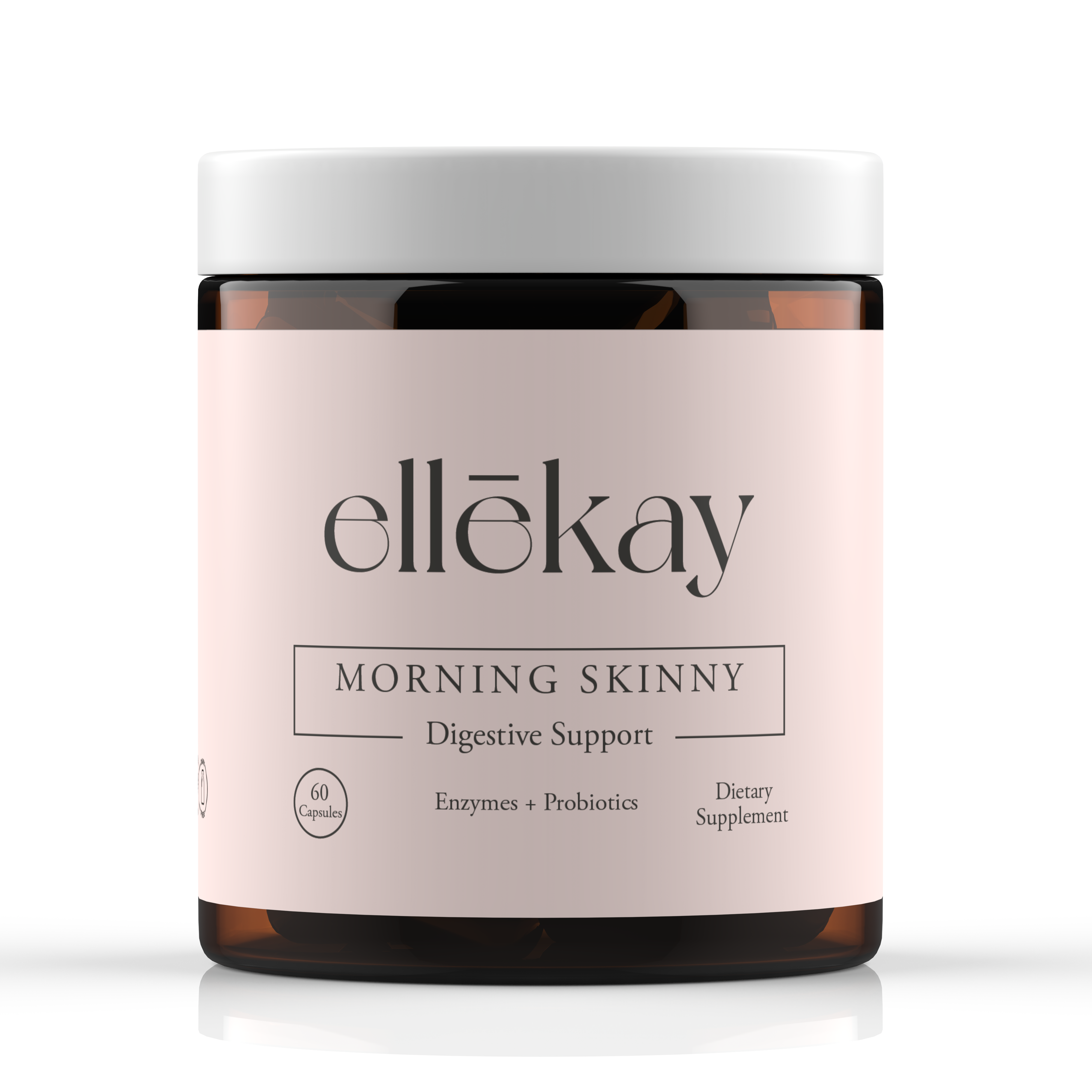
Supporting your gut with postbiotics may help reduce bloating, promote digestive comfort, and support the steady energy that comes from a well-functioning digestive system. When your gut bacteria are producing beneficial postbiotic compounds consistently, your whole body tends to feel the difference. Morning Skinny is designed to nourish the gut environment so it can produce and benefit from these powerful postbiotic compounds each day.
Frequently Asked Questions
What exactly are postbiotics, and why do they matter?
Postbiotics are bioactive compounds produced when beneficial gut bacteria ferment prebiotic fibers. They include short-chain fatty acids and other compounds that support gut lining health, immune function, and overall digestive wellness. They matter because they represent the functional output of a healthy gut microbiome, and supporting their production may help your whole body thrive.
Are postbiotics found in food?
Yes. Fermented foods like yogurt, kefir, kimchi, sauerkraut, and miso naturally produce postbiotic compounds during the fermentation process. Fiber-rich foods like oats, garlic, and legumes help your gut bacteria produce postbiotics internally. Including both fermented and fiber-rich foods in your daily routine supports consistent postbiotic production.
How do postbiotics differ from probiotics?
Probiotics are live beneficial bacteria that support gut balance. Postbiotics are the compounds those bacteria produce through fermentation. Postbiotics are more stable than probiotics because they do not require live organisms to survive digestion. Both play valuable roles, but they work in different and complementary ways to support a healthy gut.
Can postbiotics help with bloating?
Postbiotics, particularly short-chain fatty acids like butyrate, may help support gut lining integrity and reduce the inflammation linked to bloating and digestive discomfort. Supporting your gut bacteria's ability to produce beneficial postbiotic compounds through diet and targeted supplementation can be a helpful part of a broader approach to digestive wellness.
Supporting your gut health with intention is one of the most meaningful things you can do for your body. If you have questions about building a routine that works for you, the Ellekay team is happy to help.