The mucin layer is a gel-like coating lining your intestinal wall, and it plays a quietly powerful role in digestive health. Composed of glycosylated mucin proteins secreted by specialized gut cells, this mucosal barrier helps protect your gut from irritants, supports immune function, and keeps your digestive system running smoothly every day.
What the Mucin Layer Actually Does
Inside your intestines, a continuous mucus layer coats the epithelial surface. This is not random tissue. It is a precisely organized structure made of mucin proteins that form a physical barrier between your gut contents and the delicate epithelial cells underneath.
Mucins are large, heavily glycosylated proteins that, once secreted into the intestinal space, expand and cross-link to create the characteristic gel-like layer. This structure performs several essential functions: it lubricates the passage of food, traps potential irritants before they reach deeper tissue, and creates a selective environment where beneficial microbes can thrive.
The mucin layer is not static. It is continuously produced and renewed, which means the health of the cells that build it matters every single day.
Goblet Cells: The Builders Behind Your Gut Barrier
The unsung workers maintaining your mucin layer are goblet cells, specialized epithelial cells scattered throughout the lining of the small intestine and colon. They are named for their distinctive shape and exist in particularly high concentrations in the large intestine, where bacterial density is greatest.
Goblet cells secrete mucin proteins on a continuous basis, replenishing the protective layer as it is shed. Research by Johansson et al. published in the Proceedings of the National Academy of Sciences (2008, DOI: 10.1073/pnas.0803124105) demonstrated that the inner mucus layer of the colon is largely impenetrable to bacteria, meaning a well-functioning goblet cell population is essential to gut barrier integrity.
When goblet cell activity is disrupted, by poor diet, chronic stress, or illness, mucin production may slow. This can leave epithelial surfaces more vulnerable and the gut barrier less effective at its protective role.
The Physical Barrier: Your Gut's First Line of Defense
The mucin layer functions as a true physical barrier between the microbial world in your gut lumen and the immune-rich tissue beneath the epithelial layer. Mucin proteins form a dense, cross-linked network that most bacteria and large molecules cannot easily penetrate.
This is especially important in the colon, where the bacterial load is highest. A 2011 paper by Johansson and colleagues in the Journal of Internal Medicine described how the inner mucosal layer of the colon stays virtually sterile, acting as a buffer zone between trillions of microbes and your gut wall. That buffer zone is what allows you to host a diverse microbiome without constant immune activation.
For women experiencing frequent bloating or digestive discomfort, understanding the mucin layer reframes gut health as something structural, not just about what you eat today.
Mucosal Immunity: How the Gut Barrier Connects to Your Immune System
The mucosal layer is not a passive wall. It is an active component of immune defense. Immune cells located beneath the epithelial layer communicate with the mucus above to monitor what passes through, and the mucin proteins themselves can bind to pathogens to neutralize them before they reach deeper tissue.
McGuckin et al. (2011, Nature Reviews Microbiology, accessible on Google Scholar) described how mucins play a direct role in modulating microbial communities and immune responses. The review noted that chronic disruption of the mucus layer is associated with inflammatory conditions of the gut, and that preserving mucosal integrity is central to long-term digestive wellness.
The gut also shares mucosal surfaces with respiratory and other body systems, which is one reason gut health conversations now extend well beyond digestion alone. Supporting the mucosal barrier is supporting the body as a whole.

What Weakens the Mucin Layer Over Time
Several everyday factors can compromise the integrity of your gut's mucin layer. Pelaseyed et al. (2014) noted that the mucins secreted by goblet cells and enterocytes form the gut's first defense, and that this defense can be affected by chronic stress, dietary patterns, and environmental exposures.
A diet low in fiber is a particularly important factor. Epithelial cells and goblet cells rely on short-chain fatty acids generated by fiber fermentation in the gut. Without adequate fiber intake, the microbial community that supports mucin layer renewal can shift in ways that reduce overall barrier resilience.
Chronic use of certain medications, excess alcohol, and highly processed diets have also been linked to changes in goblet cell function and mucin production. These are not abstract concerns. They connect directly to the bloating, irregularity, and low-grade discomfort many women experience daily.
Building a Daily Gut Barrier Support Routine
Supporting your mucin layer does not require a complicated protocol. Consistent daily habits form the foundation:
Eat a varied, fiber-rich diet. Vegetables, legumes, and whole grains provide the fermentable substrates that gut bacteria use to maintain a healthy mucosal environment and support mucin production.
Stay hydrated. Mucin proteins require water to form their gel-like structure. Adequate hydration supports the physical integrity of the mucus layer throughout the day.
Manage chronic stress. Stress hormones affect gut motility and goblet cell activity. Even simple daily practices like morning movement or mindful breathing can make a meaningful difference for your gut.
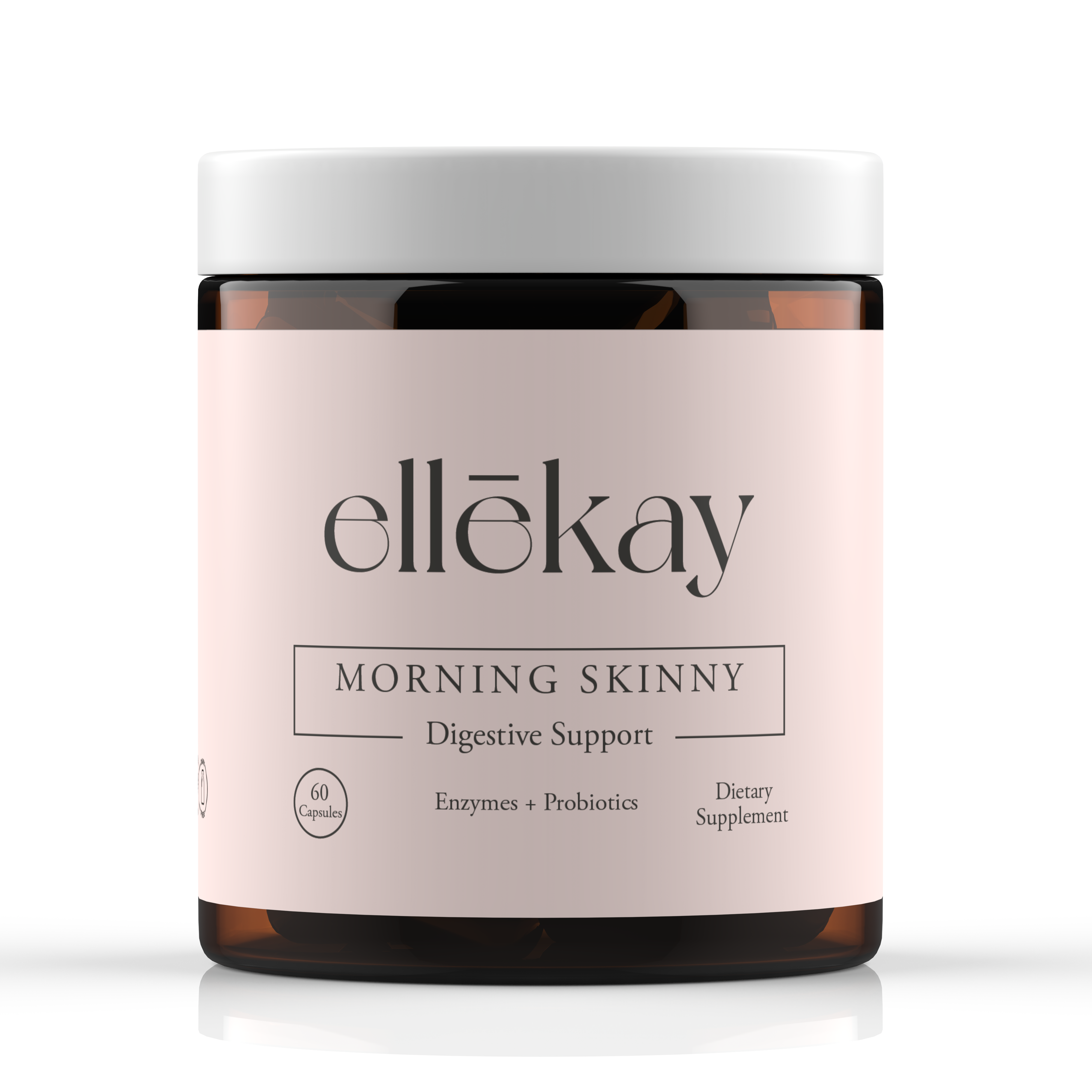
Choose targeted gut support. Products designed to support digestive wellness can complement a balanced diet, especially during periods of stress or dietary change. Morning Skinny was created with daily gut wellness in mind, offering women a simple morning ritual to support their digestive health from the inside out.
Frequently Asked Questions
What is the mucin layer in the gut?
The mucin layer is a gel-like protective coating that lines the intestinal wall. It is composed of glycosylated mucin proteins secreted by goblet cells and forms a physical barrier between the gut contents and the underlying epithelial cells. This layer supports both digestive comfort and immune defense throughout the day.
Why does the mucosal layer matter for women's digestive health?
The mucosal layer regulates what crosses the gut wall, supports immune function, and creates an environment where beneficial microbes can thrive. A well-maintained gut barrier may help reduce bloating, support regularity, and contribute to the everyday comfort and energy women want to feel.
Can diet affect mucin production?
Yes. Research suggests that dietary fiber and hydration directly influence goblet cell activity and mucin production. A diet low in fiber may reduce the short-chain fatty acids that support the epithelial cells responsible for maintaining the gut lining over time.
What are goblet cells and why do they matter?
Goblet cells are specialized epithelial cells that produce and secrete mucin proteins. They are the primary builders of the protective mucin layer. When goblet cells are well-supported through nutrition and consistent lifestyle habits, they continuously renew the mucosal barrier your gut depends on.
What are common signs that gut barrier health may need support?
Frequent bloating, irregular digestion, and persistent digestive discomfort can all be signals worth paying attention to. These experiences are not always tied to a specific condition, but they are often a cue to reassess your gut health habits. If you have ongoing concerns, speaking with your healthcare provider is always the right first step. You are also welcome to reach out to the Ellekay team with questions.
Your gut lining works hard every day to protect you. Explore how Morning Skinny can support your daily digestive wellness routine, one simple morning at a time.