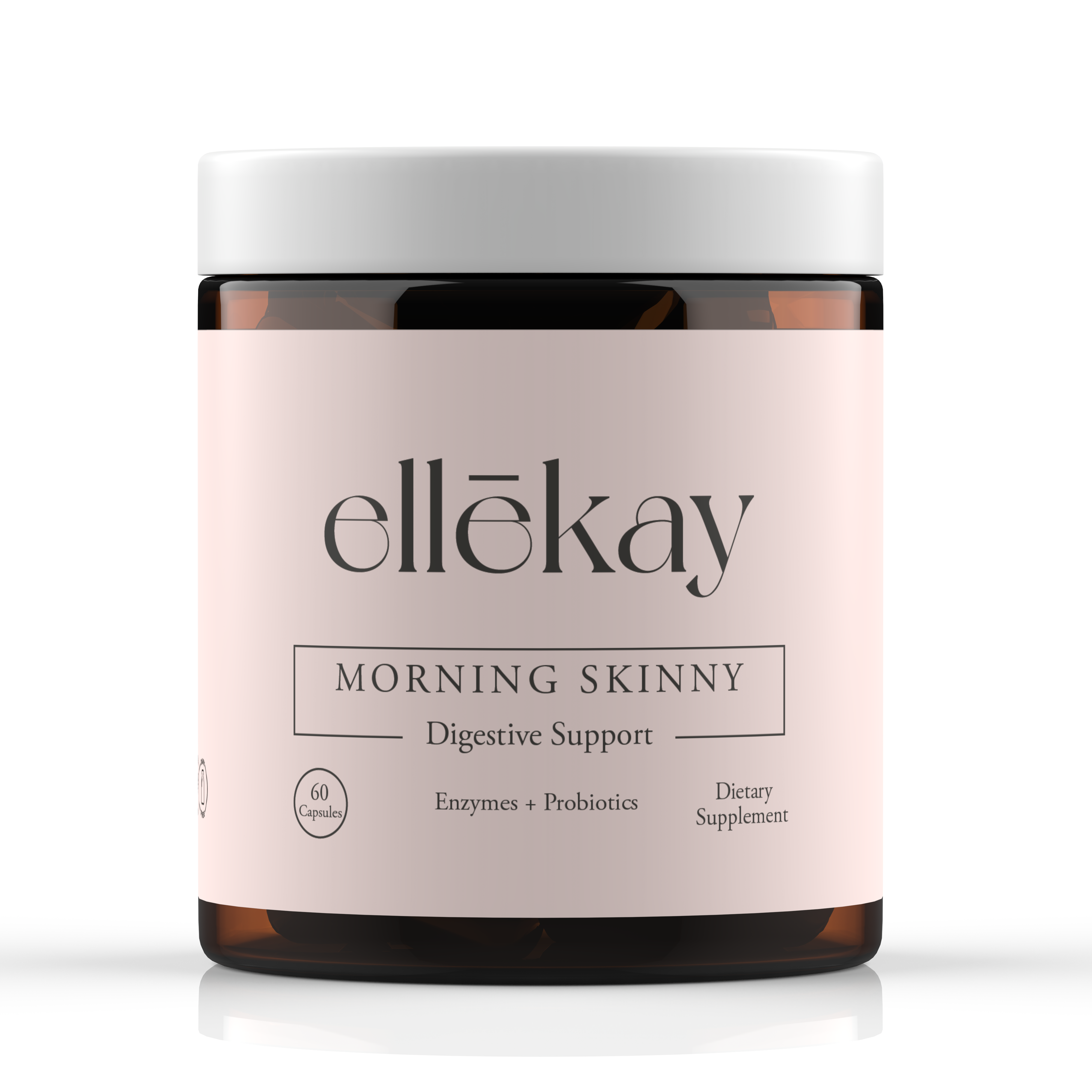
The connection between gut health and allergies runs deeper than most people realize. Your gut microbiome acts as a gatekeeper for your immune system, training it to distinguish between harmless proteins and real threats. When that balance breaks down, allergic reactions become more likely. Ellekay's Morning Skinny was formulated with this gut-immune link in mind.
By Ellekay Team, Women's Wellness Experts
The Gut-Immune Connection: More Than a Coincidence
Your gastrointestinal tract is home to roughly 70 percent of the body's immune cells. That fact alone explains why gut health has such a profound effect on how your immune system behaves. The gut lining acts as a physical barrier, and the beneficial bacteria living along it communicate constantly with immune cells, helping to regulate the immune response.
When gut bacteria populations are diverse and balanced, immune cells learn tolerance. They recognize foods, pollens, and environmental proteins as non-threatening. When that microbial diversity drops, the immune system can become hyperreactive, flagging harmless substances as dangerous. Disruptions to this balance can manifest as bloating, irregular digestion, and heightened inflammation before allergic reactions ever surface.
A 2017 study published in Cell by researchers including Alessio Fasano found that increased intestinal permeability was associated with elevated immune activation, suggesting the gut barrier plays a direct role in moderating immune reactivity.
How Gut Bacteria Train Your Immune System
Gut bacteria are not passive passengers in your digestive system. They produce short-chain fatty acids, signal immune cells, and help regulate T-regulatory cells, the immune population most responsible for maintaining tolerance. Research by Marco Colonna published in Nature Immunology (2019) showed that microbial signals are essential for teaching the immune system when not to react.
From birth, microbial exposure shapes immune calibration. Children raised in environments with greater microbial diversity show lower rates of food allergies and environmental allergies. This is the foundation of the hygiene hypothesis, which holds that reduced early microbial exposure leaves the immune system undertrained and prone to overreaction.
As adults, the gut microbiome continues to influence these pathways. Low populations of certain beneficial bacteria, particularly Lactobacillus and Bifidobacterium strains, are consistently found in individuals with chronic allergic conditions. Supporting those strains through diet, fermented foods, and targeted supplementation is one of the most evidence-backed approaches to modulating immune reactivity.
Akkermansia muciniphila is another species worth knowing. Its presence is closely tied to gut lining integrity and balanced immune signaling, which makes it a useful example of how targeted bacterial support fits into an allergy-conscious routine. We go deeper on Akkermansia's immune role in a separate piece.
Gut Health and Allergies: The Food Sensitivity Connection
Food allergies and food sensitivities are distinct conditions, but both have documented ties to gut microbiome health. A true food allergy involves a rapid immune response, typically IgE-mediated, that can cause hives, swelling, or more serious symptoms. Food sensitivities involve slower, often GI-based reactions driven by different immune pathways.
Both share a common thread: a compromised gut lining allows partially digested food proteins to pass into the bloodstream, where immune cells encounter them in an inflammatory context. The immune system may then mount a response that becomes a lasting food allergy or intolerance.
A 2019 study by Taylor Feehley and Cathryn Nagler at the University of Chicago, published in Nature Medicine, demonstrated that specific gut bacteria from healthy infants could protect mice from peanut allergy. The researchers identified that bacteria in the Clostridia class were key to maintaining gut barrier integrity and preventing sensitization to food proteins.
This line of research suggests that restoring and maintaining a robust gut microbiome is not just a wellness goal. It may be a direct mechanism for reducing food allergy risk. If you are curious where your own gut stands, microbiome testing can offer a snapshot of which bacterial populations are present and where imbalances might exist, giving you and your healthcare provider a starting point for a more targeted approach to diet and probiotic support.

Rebuilding Gut Balance to Support Immune Health
The good news: the gut microbiome is responsive to change. Diet is the most powerful lever. Fiber-rich plants, fermented foods like yogurt, kefir, sauerkraut, and kimchi, and reducing ultra-processed foods all shift gut bacteria populations toward a more diverse, beneficial profile.
Chronic inflammation in the gut can also show up beyond the digestive system. Skin reactions like eczema and hives, both common allergy expressions, have documented links to gut barrier breakdown and microbial imbalance, giving you another reason to treat gut health as a whole-body priority throughout life.
Fermented foods deserve particular attention here. They deliver live beneficial bacteria directly to the gastrointestinal tract, and consistent consumption has been shown to increase microbial diversity. A 2021 study by Wastyk and colleagues at Stanford, published in Cell, found that a high-fermented food diet significantly increased microbiome diversity and decreased markers of immune activation compared to a high-fiber diet alone.
Probiotics can complement dietary changes, especially after antibiotic use or periods of high stress, both of which deplete gut bacteria populations. Food-based sources tend to deliver a broader mix of strains alongside fiber and other nutrients that help those bacteria thrive, while supplements offer more consistency and a more targeted, concentrated dose. Neither approach is inherently better. The right fit depends on your existing diet, budget, and how easily you can stick with either habit day to day.
Postbiotics, the bioactive compounds produced by bacteria during fermentation, are also gaining research attention for their role in gut barrier support and immune modulation. Unlike live probiotic bacteria, postbiotics do not need to survive digestion to have an effect, which makes them a stable option worth considering alongside food and probiotic strategies. The Morning Skinny gut-debloat blend includes ingredients chosen to support a healthy gut environment, making it a practical addition to any gut-first wellness routine.
The Mucin Layer: Your Gut's Hidden Allergy Defense
One aspect of gut health that rarely comes up in allergy conversations is the mucin layer, the gel-like lining that coats the gastrointestinal tract. This layer acts as the first line of defense between gut contents and the immune cells beneath it. When the mucin layer thins or breaks down, immune exposure to food antigens increases, and the risk of allergic reactions rises with it.
Certain gut bacteria actively maintain mucin production. Without them, the gut wall becomes more vulnerable and the immune system more reactive. The research on gut health and allergies increasingly points to this barrier function as a critical and underappreciated variable, and we cover the mucin layer mechanics in more detail in a dedicated piece.
Frequently Asked Questions
Can improving gut health reduce food allergy symptoms?
Research suggests that a healthier gut microbiome can reduce the severity of immune overreactions, including those tied to food allergies. While it is not a cure, supporting gut bacteria diversity through diet and probiotics has been associated with lower inflammatory markers and improved immune tolerance in multiple peer-reviewed studies.
What is the link between gut health and seasonal allergies?
The gut microbiome regulates systemic immune responses, not just digestive ones. When gut bacteria populations are imbalanced, the immune system tends toward a state that drives allergic inflammation. Several studies have found lower microbial diversity in people with seasonal allergic rhinitis compared to those without it.
How does the gastrointestinal tract affect the immune response?
The gastrointestinal tract houses gut-associated lymphoid tissue, which contains the majority of the body's immune cells. Gut bacteria interact with this tissue continuously, calibrating immune responses. A well-populated, diverse microbiome helps maintain balanced immune signaling and reduces the likelihood of hypersensitive allergic reactions.
Are probiotics helpful for managing food allergies?
Several clinical trials have found that probiotic supplementation, particularly with Lactobacillus and Bifidobacterium strains, can reduce allergy symptom severity. A 2015 meta-analysis by Zajac et al. in Annals of Allergy, Asthma and Immunology found meaningful improvements in allergic rhinitis symptoms with consistent probiotic use over time.
What foods best support gut health for immune balance?
Fermented foods, high-fiber vegetables, legumes, and whole grains all feed beneficial bacteria and promote microbial diversity. Reducing sugar, refined carbohydrates, and processed foods helps prevent dysbiosis. Consistency matters more than any single food choice, and pairing dietary changes with targeted gut support compounds the overall benefit for your immune system.
Take the Next Step for Your Gut and Immune Health
Your microbiome is one of the most powerful tools you have for keeping your immune system calibrated and your allergic reactions in check. If you want to know more about which ingredients and approaches are right for your specific situation, contact the Ellekay team and we will help you find the right starting point.