If you manage polycystic ovary syndrome, you have probably wondered how gut health and PCOS actually connect. New research points to your gut microbiome as a hidden driver of insulin resistance, sex hormones, and stubborn symptoms, and small daily habits like Ellekay's Morning Skinny can support that connection from the inside out.
By Ellekay Team, Women's Wellness Experts
The Science Behind Gut Health and PCOS Symptoms
Polycystic ovary syndrome PCOS is far more than a reproductive diagnosis. Polycystic ovary syndrome (PCOS) affects hormone regulation, insulin resistance, and inflammation levels in as many as one in ten women of reproductive age, according to the CDC. For years, PCOS was treated mainly as a reproductive and metabolic condition, but recent research has widened that view to include the gut microbiome. The trillions of bacteria living in your digestive tract help regulate how estrogen and testosterone are cleared from the body, manage blood sugar signaling, and control how much inflammation circulates through your system. When that ecosystem falls out of balance, a state researchers call gut dysbiosis, it can worsen the very symptoms PCOS is known for, including irregular cycles, acne, and stubborn weight changes.
This PCOS gut connection is exactly why the relationship between gut health and PCOS has become such an active area of research. Instead of treating hormones and digestion as separate systems, clinicians are increasingly looking at them together, since an imbalanced population of gut bacteria appears to influence how the ovary responds to insulin and how much testosterone the body produces.
How Insulin Resistance Links Your Gut and Hormones
Insulin resistance sits at the center of most PCOS cases, present in a large majority of women with the condition regardless of body weight. When cells stop responding normally to insulin, the pancreas produces more of it, and that excess insulin pushes the ovaries to produce more testosterone. This is where gut bacteria enter the picture. Certain bacterial strains ferment fiber into short-chain fatty acids, compounds that support insulin sensitivity and calm inflammation. A gut microbiome with low bacterial diversity produces fewer of these protective acids, which may make insulin resistance harder to manage day to day.
This metabolic piece is a large part of why gut health and PCOS symptoms so often travel together. Women dealing with insulin resistance frequently notice stubborn weight around the midsection, sugar cravings, and a slower metabolism, all of which trace back to how efficiently the body clears glucose. Supporting gut bacteria through fiber, fermented foods, and consistent meal timing is one of the more overlooked levers for improving these numbers over time. If your weight has plateaued despite consistent effort, a stalled microbiome is often part of the picture, alongside insulin and thyroid factors worth ruling out with your doctor, something we explore further in gut health and weight plateaus.

Leaky Gut, Inflammation, and Sex Hormones in PCOS
Many women with PCOS also deal with increased intestinal permeability, commonly known as leaky gut. This happens when the lining of the small intestine becomes looser than it should be, allowing bacterial fragments and partially digested particles to slip into the bloodstream. The immune system responds to these intruders with low grade inflammation, and that inflammation has been shown to further disrupt sex hormones and worsen the insulin resistance already common in PCOS.
Chronic digestive issues, including bloating, constipation, and irregular bowel habits, are common complaints among women managing both conditions at once. Some research suggests the growth of certain inflammatory bacterial species is more common in women with PCOS compared to women without it, though scientists are still working out whether this is a cause or a result of the hormonal imbalance. Either way, calming inflammation and supporting the gut lining is a reasonable place to start, and it is a big part of why gut health and PCOS management increasingly go hand in hand. Digestive enzymes play a role here too, supporting how well food breaks down and easing the bloating that often overlaps with hormone symptoms, a connection we cover in more depth in digestive enzymes and hormones.
What Recent Research Reveals About Women PCOS and Gut Health
Recent research on women, PCOS, and the gut microbiome is still young compared to decades of work on insulin and reproductive hormones, but the studies published so far are fairly consistent. Women with PCOS tend to show lower gut bacteria diversity and a different gut microbiota composition than women without the condition, patterns that echo what researchers see in other metabolic conditions like type 2 diabetes. Several studies have also found correlations between specific gut bacteria and higher testosterone levels, though sample sizes remain small and more work is needed before any of this becomes a diagnostic tool.
What is becoming clearer is that the gut, the ovaries, and the endocrine system do not act in isolation, they influence each other constantly. That is a meaningful shift for women who have been told their labs are normal while still living with real symptoms every day.
Gut Health, Hormones, and Women Health: Simple Daily Support
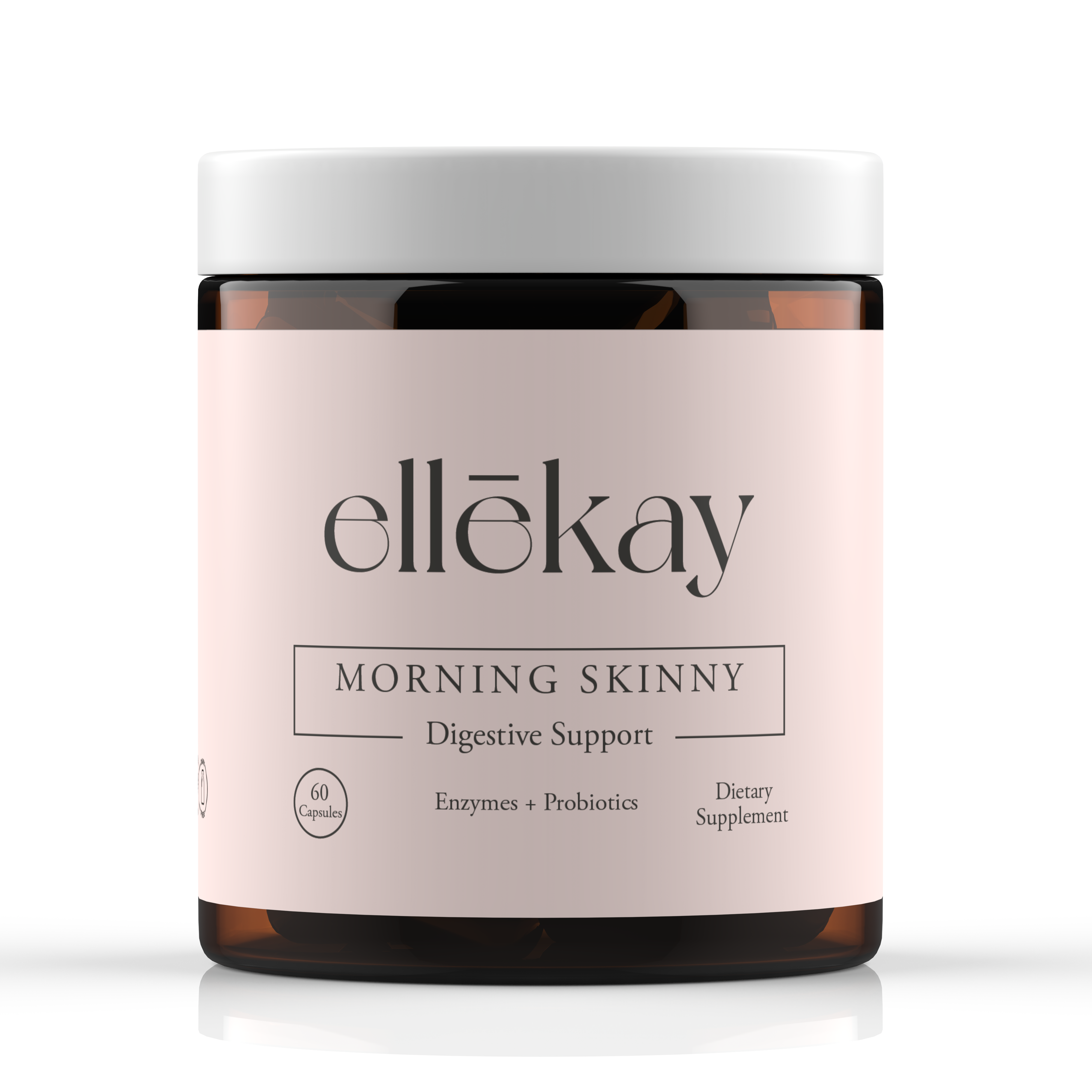
You do not need to overhaul your entire routine to start supporting the gut microbiome behind gut health and PCOS symptoms. Small, consistent habits, like a fiber rich breakfast, a short walk after meals, and cutting back on late night sugar, add up over weeks and months. Many women also lean on targeted supplements to fill the gaps a busy schedule leaves behind. The Morning Skinny formula, Ellekay's gut-debloat blend, was built with that kind of daily support in mind, pairing digestive friendly ingredients with a formula designed to work alongside, not replace, the fundamentals of food, sleep, and movement.
Because women health and hormone health are so closely tied to digestion, it is worth treating your gut as part of your PCOS care plan rather than an afterthought. Building a fuller routine usually comes down to layering a few habits together, steady fiber intake, fermented foods, and consistent meal timing, so your gut, hormone, and metabolic goals work with each other instead of against each other.
Frequently Asked Questions
Does improving gut health help PCOS symptoms?
Many women notice fewer digestive complaints, more stable energy, and steadier cycles when they support gut bacteria diversity through fiber, fermented foods, and consistent routines. Gut health is not a replacement for medical treatment, but supporting the gut microbiome is a reasonable complement to the care plan your provider has already recommended.
What foods support gut health with PCOS?
Fiber rich vegetables, legumes, and whole grains feed beneficial gut bacteria, while fermented foods like yogurt, kefir, and sauerkraut add live cultures directly. Reducing added sugar and highly processed foods also helps limit the inflammation that tends to worsen both digestive and hormonal symptoms in PCOS.
Can leaky gut contribute to PCOS symptoms?
Increased intestinal permeability allows inflammatory particles into the bloodstream, and that inflammation has been linked to worse insulin resistance and hormone imbalance. Leaky gut is not considered a direct cause of PCOS, but it may act as a contributing factor that makes existing symptoms harder to manage day to day.
How is insulin resistance connected to PCOS symptoms?
Insulin resistance prompts the body to produce extra insulin, which in turn signals the ovaries to make more testosterone. This shift can worsen acne, irregular cycles, and weight gain, which is why many PCOS treatment plans focus on improving insulin sensitivity through diet, movement, and gut support.
Is PCOS linked to an imbalance in gut bacteria?
Several studies have found that women with PCOS tend to have lower gut bacteria diversity than women without the condition. Researchers are still determining whether this imbalance contributes to PCOS or develops because of it, but supporting a diverse gut microbiome is considered a reasonable, low risk step either way.
Start Supporting Your Gut Health and PCOS Symptoms Today
You do not have to figure out PCOS and its digestive symptoms alone. If you have questions about which daily habits or products fit your specific situation, contact the Ellekay team for guidance built around real women's health, not guesswork.