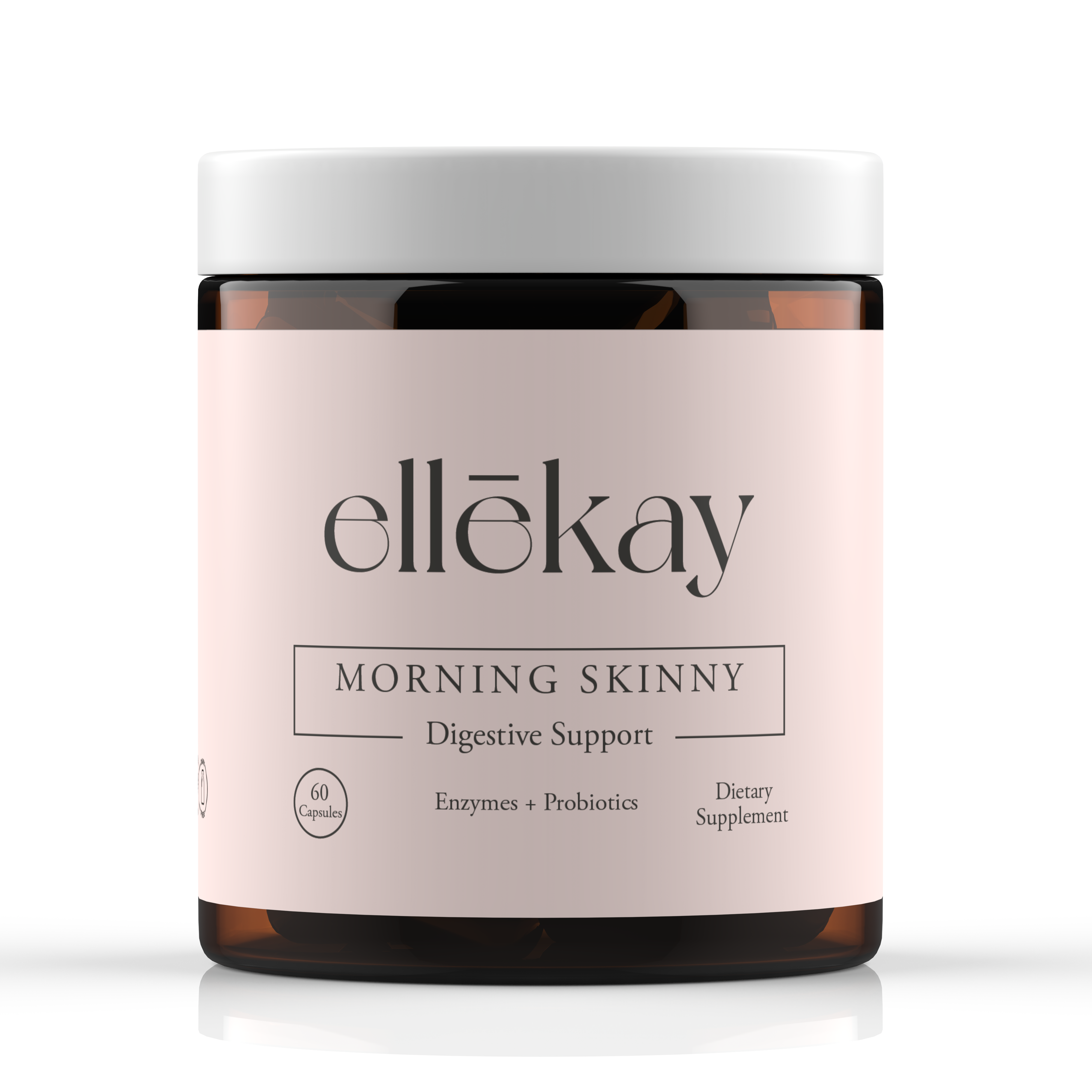
Getting sick, whether from a stomach flu, cold, or course of antibiotics, throws your gut microbiome out of balance. Gut health after illness matters because your digestive system needs targeted support to rebuild beneficial bacteria, restore energy, and prevent lingering symptoms. Pairing whole foods with Morning Skinny gut-debloat blend can help you bounce back faster.
By Ellekay Team, Women's Wellness Experts
What Happens to Your Digestive System When You're Sick
When you catch a stomach flu, respiratory infection, or need antibiotics, your digestive system takes a hit right alongside the rest of your body. Illness and the medications used to treat it can wipe out large portions of your gut bacteria, leaving your digestive tract with fewer of the beneficial microbes it needs to break down food, absorb nutrients, and keep inflammation in check. This bacteria gut connection is one reason people feel foggy, bloated, or fatigued for days after they've technically recovered.
Your gut microbiome is home to trillions of organisms that support your overall health, including your immune system and even your mood. A round of antibiotics, in particular, doesn't just target the illness, it also clears out helpful strains living in your digestive tract. That's why rebuilding gut health after illness is about more than waiting for symptoms to pass. It's an active process of feeding and reintroducing the beneficial bacteria your body relies on.
Signs Your Gut Microbiome Needs Rebuilding
Not everyone notices the same symptoms after being sick, but a handful of signs tend to show up when your microbiome is out of balance. Watch for:
- Bloating, gas, or stomach discomfort that lingers well past the illness itself
- Irregular bowel movements, whether that means constipation or loose stools
- Skin breakouts or dullness that weren't there before
- Low energy or brain fog that doesn't clear with rest
- New food sensitivities or an upset stomach after meals you used to tolerate fine
These symptoms are your gut microbiota signaling that beneficial bacteria levels have dropped and your digestive tract needs support. Left unaddressed, an imbalanced microbiome can make it harder for your body to absorb nutrients from food, which only slows recovery further.
How to Support Gut Health After Illness Through Food
Food is one of the fastest ways to help beneficial bacteria recolonize your digestive tract. Focus on:
Fiber From Fruits Vegetables and Whole Grains
Fiber is the primary fuel source for a healthy gut microbiome. Load your plate with fiber-rich fruits vegetables, oats, and legumes so the bacteria gut communities in your body have something to eat.
Fermented and Probiotic Foods
Yogurt, kefir, sauerkraut, and other probiotic foods introduce live cultures that help restore your gut bacteria. Look for fermented foods you already eat and add them back into your routine gradually as your stomach settles.
Bone Broth and Gentle Proteins
Bone broth is easy to digest and can provide the amino acids your intestinal lining needs to repair itself after illness. It's a gentle way to reintroduce nutrition without overwhelming a sensitive stomach.

Ellekay's Morning Skinny is designed to work alongside these habits, combining ingredients that support digestion and a calmer stomach so you're not relying on food alone to do the rebuilding work.
Rebuilding Faster After Specific Illnesses
Not all illnesses affect your gut microbiome the same way, so it helps to know what you're working with.
After a stomach flu: Your digestive tract has likely been through direct inflammation and fluid loss. Stick to bland, easy-to-digest foods first, then slowly reintroduce fiber and probiotic foods as your stomach flu symptoms fade.
After antibiotics: Antibiotics can't distinguish between harmful and beneficial bacteria, so they often leave your gut bacteria significantly depleted. If you've recently finished a course, expect the rebuilding process to take longer than after other illnesses. Our antibiotics recovery timeline breaks down what that looks like in more detail.
After a respiratory illness or flu: Even illnesses that don't directly involve your stomach can affect your gut microbiome through stress hormones, disrupted sleep, and reduced appetite, all of which change the environment your gut bacteria live in.
If you're managing a chronic condition: People with inflammatory bowel disease often see their symptoms flare after any illness, since their digestive system is already more sensitive to disruption. If flares last more than a few days or come with significant pain, check in with your doctor rather than relying on diet changes alone.
Lifestyle Habits That Support Gut Recovery
Diet does a lot of the heavy lifting, but your daily habits play a role too.
Prioritize sleep. Your gut bacteria follow a rhythm tied to your sleep-wake cycle, and poor sleep after illness can slow down how quickly your microbiome recovers.
Manage stress. The connection between your brain and your gut runs in both directions, so ongoing stress can keep your digestive system in an inflamed state even after an illness has technically passed. If you've noticed your worry or anxiety spiking during recovery, that's not a coincidence, stress hormones and gut bacteria influence each other directly. Our gut health and anxiety guide breaks down that connection further.
Move your body gently. Light movement, like walking, supports healthy digestion and can improve circulation to your digestive tract as you heal.
Support your immune system. Your gut houses a large share of your immune defenses, so an imbalanced microbiome can leave you more vulnerable to catching something else while you're still recovering. This is especially relevant if allergies or immune sensitivities have flared up recently, since a stressed immune system and an unsettled gut tend to aggravate each other, so calming inflammation in one often helps settle the other.
Frequently Asked Questions
How long does it take to rebuild gut health after illness?
Most people notice improvement within one to two weeks of consistent fiber, probiotic foods, and hydration, though full recovery of a healthy gut microbiome can take four to six weeks, especially after antibiotics. Give your body time and stay consistent with supportive habits rather than expecting overnight results.
What foods should I avoid while my gut recovers?
Limit processed foods, excess sugar, and alcohol while your digestive system is rebuilding, since these can feed less beneficial bacteria and slow recovery. Focus instead on fiber-rich fruits vegetables, lean proteins, and fermented foods that support beneficial bacteria.
Can probiotics help after being sick?
Yes. Probiotic foods and supplements can help reintroduce beneficial bacteria to your digestive tract, particularly after a course of antibiotics. Look for a variety of strains and pair them with fiber, since beneficial bacteria need that fuel to establish themselves in your gut.
Is bloating after illness normal?
Mild bloating is common as your gut microbiome resets, especially after a stomach flu or antibiotics. If bloating is severe, persistent beyond a few weeks, or paired with significant pain, it's worth checking in with your doctor rather than assuming it will resolve on its own.
Does gut health affect my immune system long term?
Yes. Your digestive tract houses a significant portion of your immune system, so ongoing gut health after illness support isn't just about digestion, it helps your body defend against future illness too.
Get Personalized Support For Your Gut Health Journey
Rebuilding your microbiome after illness looks different for everyone, and if you have questions about pairing Morning Skinny with your recovery routine, contact the Ellekay team for personalized guidance.