Your gut and your brain are in constant conversation, and the health of your microbiome may have more influence over your mood and anxiety levels than you realize. Research into the gut-brain connection is reshaping how women approach mental wellness, and the findings are encouraging for anyone who wants to feel calmer and more balanced from the inside out.
The Gut-Brain Axis: A Two-Way Communication Network
The gut-brain axis is a communication network linking your digestive system to your central nervous system. Through the vagus nerve, immune signals, and chemical messengers, your gut microbiota sends information to your brain continuously. Researchers John Cryan and Ted Dinan at University College Cork published findings in Nature Reviews Neuroscience describing how gut microbes influence brain chemistry, stress responses, and emotional regulation.
This means the trillions of microbes living in your gut are not just managing digestion. They are active participants in how you think and feel every day. For women navigating stress, mood shifts, and anxiety, the state of your microbiome matters more than most of us were ever taught.
What Gut Bacteria Do for Mental Health
One of the most remarkable discoveries in gut health science is that roughly 90 to 95 percent of the body's serotonin is produced in the gastrointestinal tract. Serotonin is a neurotransmitter strongly associated with mood, emotional stability, and feelings of calm. When your gut microbiome falls out of balance, serotonin production can be disrupted in ways that directly affect mood and contribute to mental health challenges.
Beyond serotonin, gut bacteria produce other neuroactive compounds including gamma-aminobutyric acid (GABA), which plays a role in calming the nervous system. A 2019 study published in Nature Microbiology by Valles-Colomer and colleagues found an association between lower levels of certain gut microbes and higher rates of depression and reduced quality of life, adding to the growing evidence that links the microbiome to mental wellness.
The Gut Health and Anxiety Connection
The relationship between gut health and anxiety is circular rather than one-directional. Stress and anxiety can alter the composition of your gut microbiota, and an imbalanced microbiome can amplify your stress response in ways that lead to worsened anxiety over time. This feedback loop helps explain why digestive symptoms and mental health symptoms so often appear together.
Women are disproportionately affected by both anxiety disorders and gut-related disorders. Research published in Alimentary Pharmacology and Therapeutics has noted the overlap between gut-brain axis dysfunction and conditions like health anxiety, where physical digestive symptoms can intensify mental distress, and vice versa. Understanding this connection is not about adding to your worry list. It is about recognizing a real leverage point for feeling better.
How Inflammation Links Gut and Mood
Chronic low-grade inflammation is another bridge between the gut and mental health. When the gut lining becomes compromised, bacterial byproducts can enter the bloodstream and trigger an immune response. This systemic inflammation can lead to worsened mood and has been linked to depression and anxiety disorders in multiple studies, including research by Peirce and Alviña published in the Journal of Neuroinflammation in 2019.
Reducing gut inflammation through a balanced microbiome and targeted support may contribute to a calmer baseline mood over time. The gut microbiota play a central role in managing this inflammatory response, which is why the diversity and balance of your gut bacteria matter so much for how you feel mentally as well as physically.

Foods and Probiotics That Support the Gut-Brain Link
What you eat has a direct effect on your gut bacteria and, through them, on your mental health. Fermented foods like yogurt, kefir, sauerkraut, and kimchi introduce beneficial microbes into the digestive tract. Prebiotic-rich foods like garlic, onions, leeks, and oats feed existing beneficial bacteria and help them thrive.
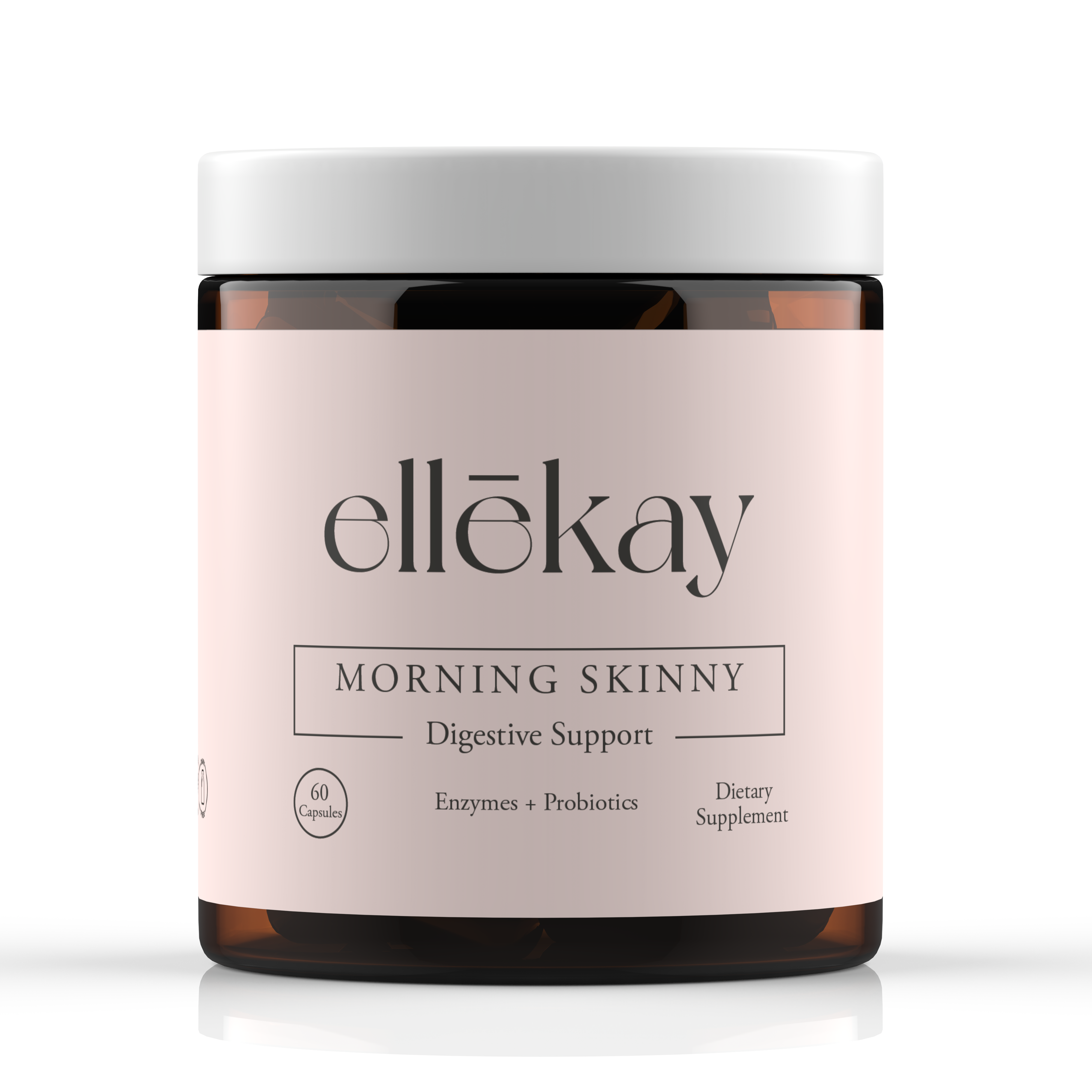
Probiotics in supplement form offer a consistent, practical way to support gut microbes when diet alone falls short. A meta-analysis published in General Psychiatry in 2019 (Liu et al.) found that probiotic interventions were associated with improvements in depression and anxiety symptoms, particularly when combined with dietary changes. Pairing a daily probiotic like Morning Skinny with a fiber-forward diet creates the conditions your gut microbiome needs to produce mood-supporting compounds and keep inflammation in check.
Simple Daily Habits for Gut and Mental Wellness
Supporting the gut-brain connection does not require a complete lifestyle overhaul. Small, consistent habits build up over time:
-
Eat diverse whole foods. Variety in your diet feeds a wider range of beneficial microbes, which strengthens your microbiome overall.
-
Manage stress actively. Because stress reshapes gut bacteria, practices like walking, breathwork, and quality sleep protect your microbiome as much as your mind.
-
Add fermented or probiotic-rich foods daily. Consistency matters more than quantity when it comes to nurturing your gut health.
-
Stay hydrated. Water supports the mucosal lining of the gut, which acts as a protective barrier against harmful bacteria.
-
Limit ultra-processed foods. Refined sugars and artificial additives reduce microbial diversity and promote the inflammation associated with worsened mood and mental health symptoms.
When these habits become routine, you create a daily foundation where both your gut health and mental health have room to improve together.
Frequently Asked Questions
Can gut health really affect anxiety and mood?
Yes, and the science supports it. The gut-brain axis creates a direct communication channel between your digestive system and your brain. Gut microbes produce neurotransmitters like serotonin and GABA that directly influence mood and anxiety levels. When gut bacteria are imbalanced, mental health symptoms can follow. Research by Cryan and Dinan at University College Cork has been central to mapping this link.
What is the gut-brain axis?
The gut-brain axis is a bidirectional signaling network connecting your gut microbiota to your central nervous system through the vagus nerve, hormones, and immune messengers. It allows your gut microbiome to influence brain function and stress responses, while stress and mental states simultaneously shape the composition of your gut bacteria.
Can probiotics help with anxiety or depression symptoms?
Probiotics may support mental wellness by restoring microbial balance and helping the gut produce mood-regulating neurotransmitters. A 2019 meta-analysis in General Psychiatry found associations between probiotic supplementation and improvements in depression and anxiety symptoms. Probiotics are not a substitute for professional mental health care, but they can be a meaningful part of a supportive wellness routine.
How long does it take to notice changes from improving gut health?
Meaningful changes in gut microbiota composition can occur within two to four weeks of consistent dietary and probiotic support. Mental and digestive symptoms may improve in parallel, though individual timelines vary based on starting microbiome health, diet quality, and stress levels.
What foods are worst for gut health and mental well-being?
Highly processed foods, refined sugars, and artificial additives can reduce microbial diversity and promote inflammation, both linked to worsened mood and mental health. Alcohol is also known to disrupt the gut lining and alter bacteria in ways that may amplify anxiety and depression symptoms over time.
If you are ready to support your gut and your mental well-being together, Morning Skinny is designed to make that daily habit simple and consistent. Questions about your wellness routine? Reach out to the Ellekay team anytime.