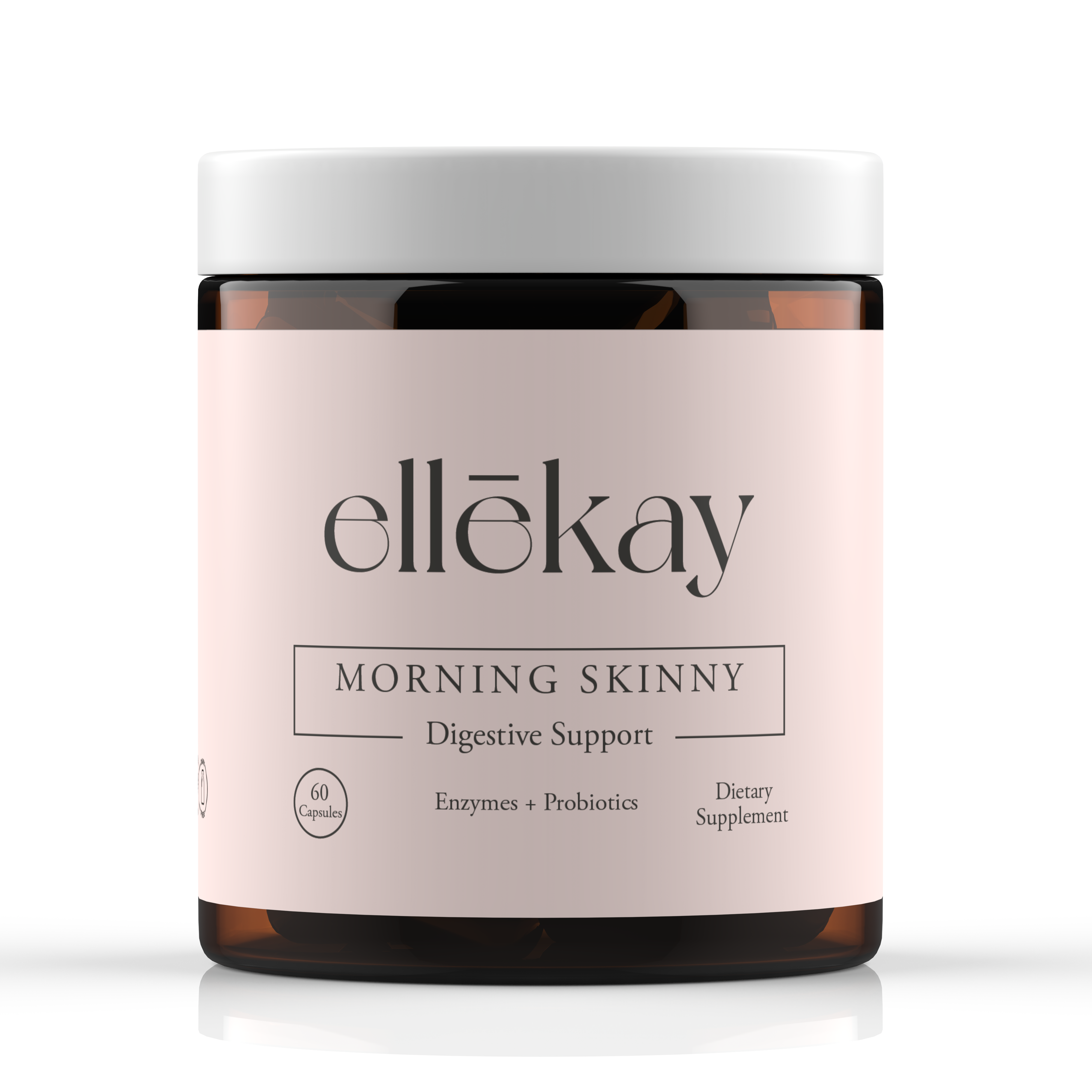
Digestive Enzymes: How to Choose the Right Supplement — hero image" style="width:100%;height:auto;margin-bottom:1.5em;">
If you have ever wondered what are the best digestive enzymes and whether they could actually make a difference for your gut, you are not alone. Digestive enzymes have become one of the most talked-about topics in wellness, and for good reason. These proteins play a foundational role in breaking down the food you eat so your body can absorb the nutrients it needs. When enzyme levels are low or inefficient, the result can be bloating, discomfort, and a general sense that your digestion just is not working the way it should.
This guide covers everything you need to know: what digestive enzymes are, how they work, what types exist, and what to look for when choosing a supplement.
What Are Digestive Enzymes?
Digestive enzymes are proteins produced naturally by the body, primarily in the pancreas, stomach, and small intestine. Their job is to break down macronutrients into smaller molecules that the body can absorb through the intestinal wall.
Without adequate enzyme activity, food particles can pass through the gut partially undigested. This can trigger uncomfortable symptoms like gas, bloating, diarrhea, or a feeling of heaviness after meals.
There are three primary categories of digestive enzymes:
-
Proteases break down proteins into amino acids
-
Lipases break down fats into fatty acids and glycerol
-
Amylases break down carbohydrates and starches into simple sugars
Beyond these core three, there are several specialized enzymes that target specific compounds.
Key Digestive Enzymes and What They Do
Protease
Protease enzymes are essential for anyone eating a protein-rich diet. They break down the peptide bonds in proteins, turning them into amino acids your cells can use for repair, energy, and countless biological functions. Low protease activity is often linked to gas and bloating after high-protein meals.
Lipase
Lipase is responsible for breaking down dietary fats. It is produced primarily by the pancreas and works in the small intestine with the help of bile from the liver. Without adequate lipase, fat digestion becomes inefficient, which can lead to loose stools, nutrient malabsorption, and deficiencies in fat-soluble vitamins like A, D, E, and K.
Amylase
Amylase begins working in the mouth via saliva and continues its job in the small intestine. It breaks down starches and complex carbohydrates. People with lower amylase levels may experience more pronounced blood sugar swings and discomfort after carbohydrate-heavy meals.
Lactase
Lactase is the enzyme that breaks down lactose, the sugar found in dairy products. A significant portion of the global population produces insufficient lactase after childhood, which is the cause of lactose intolerance. Supplementing with lactase can help those individuals enjoy dairy without the discomfort.
Cellulase
The human body does not produce cellulase naturally, yet it is a useful enzyme to find in supplements. Cellulase breaks down cellulose, the fiber found in plant cell walls. While fiber itself is not fully digestible, cellulase helps release the nutrients trapped inside plant cells.
Alpha-Galactosidase
This enzyme is specifically known for breaking down the complex sugars found in beans, lentils, and cruciferous vegetables. These sugars are fermented by gut bacteria when left undigested, producing gas. Alpha-galactosidase helps reduce that effect.
Derived from pineapple and papaya respectively, bromelain and papain are plant-based proteolytic enzymes. They help break down proteins and have been studied for their potential anti-inflammatory properties as well. They appear frequently in broad-spectrum digestive enzyme blends.
Who Might Benefit from Digestive Enzyme Supplements?

Natural enzyme production can decline with age. Certain health conditions, dietary patterns, and lifestyle factors can also affect how well the body produces and utilizes its own enzymes.
You may benefit from digestive enzyme supplements if you:
- Experience frequent bloating, gas, or cramping after meals
- Have been diagnosed with exocrine pancreatic insufficiency (EPI)
- Are lactose intolerant
- Eat a high-fiber or plant-heavy diet and struggle with gas from legumes and cruciferous vegetables
- Notice undigested food in your stool, which can signal incomplete digestion
- Have undergone digestive surgeries or have conditions like Crohn's disease or IBS that affect nutrient absorption
It is worth noting that digestive enzyme supplements are generally intended to support healthy digestion, not to replace medical treatment for clinical enzyme deficiencies. If you suspect a serious digestive condition, working with a healthcare provider is always the right first step.
What to Look for in a Digestive Enzyme Supplement
Not all digestive enzyme supplements are created equal. Here is what to evaluate when choosing one.
Enzyme Variety
A high-quality supplement should include a broad spectrum of enzymes. Look for protease, lipase, amylase, lactase, and ideally cellulase and alpha-galactosidase. The broader the coverage, the more thoroughly the formula supports digestion across different food types.
Activity Units
Enzyme potency is measured in activity units, not milligrams. Protease is measured in HUT (Hemoglobin Unit on a Tyrosine basis), lipase in FIP or LU, and amylase in DU or SKB. These units reflect how actively the enzyme performs in the body, which matters far more than raw weight.
Source and Purity
Enzymes can be derived from animal sources (typically porcine pancreatin) or plant and microbial sources. Plant-derived and microbial enzymes tend to be more stable across a wider range of pH levels, meaning they remain active throughout more of the digestive tract. They are also suitable for vegetarians and vegans.
Added Ingredients
Check for unnecessary fillers, artificial colors, or allergens. The best formulas keep the ingredient list clean and purposeful. Some supplements include prebiotic or probiotic blends alongside enzymes, which can offer complementary gut support.
Third-Party Testing
Look for products that have been third-party tested for potency and purity. This step confirms that what is on the label is actually in the capsule.
How to Use Digestive Enzyme Supplements Effectively
Timing matters when it comes to digestive enzymes. They should generally be taken at the start of a meal or within the first few minutes of eating. This allows the enzymes to mix with food as it moves through the digestive tract.
Taking enzymes on an empty stomach may produce different effects. Some proteases taken this way are thought to support systemic inflammation reduction, though this is a separate use case from digestive support.
Start with the lowest recommended dose and observe how your body responds. Digestive response varies from person to person, and some individuals find that a lower dose is all they need while others require a full serving.
Supporting Digestive Health Beyond Supplements
Digestive enzyme supplements work best as part of a broader approach to gut health. A few habits that support healthy digestion naturally:
-
Chew thoroughly. Chewing activates salivary amylase and begins mechanical breakdown before food ever reaches the stomach.
-
Eat mindfully and without rush. Stress activates the fight-or-flight response, which suppresses digestive enzyme production.
-
Stay hydrated. Adequate water intake supports every step of digestion.
-
Prioritize whole foods. Heavily processed foods can tax the digestive system and contribute to enzyme depletion over time.
-
Support the gut microbiome. A healthy population of beneficial bacteria works alongside enzymes to complete digestion and protect the gut lining.
Final Thoughts
Digestive enzymes are not a trend. They are a fundamental part of how the body turns food into fuel, and when they are not working optimally, you feel it. Whether you are dealing with post-meal bloating, food sensitivities, or simply want to get more out of the nutrients you consume, a well-formulated digestive enzyme supplement can make a real difference.
At Ellekay, the approach to digestive support starts with quality ingredients and transparent formulation. If you are looking to take your gut health seriously, exploring what Ellekay has to offer is a great place to start.
Related guides