Systemic Enzymes vs Digestive Enzymes: Which Do You Need?
By Ellekay Team, Women's Wellness Experts · March 14, 2026 · 8 min read
Want to know which enzyme type might help you most? Systemic enzymes act across the body to support functions like inflammation control, while digestive enzymes focus on breaking down the food you eat. This article walks you through how each works, their benefits, and real uses so you can figure out what fits your goals. If you've had digestive discomfort or ongoing inflammation, understanding these differences can point you toward useful options.
What Are Systemic and Digestive Enzymes?
Systemic enzymes are proteins that travel in your bloodstream and help with body processes like lowering inflammation and supporting the immune system. They can break down certain proteins to help with tissue repair and recovery. Digestive enzymes, by contrast, are made in your digestive tract and break food into nutrients your body can use. Examples include amylase, lipase, and protease, each focused on different macronutrients. Knowing this difference helps you pick the right supplement for your needs.
How Do Systemic Enzymes Work in Your Body?
Systemic enzymes enter the bloodstream and help break down proteins that can fuel inflammation. One key action is breaking down fibrin, a protein tied to clotting, which can improve circulation and lower swelling. That makes them useful for people dealing with chronic inflammation or recovering from injury. In short, they support the body's natural healing and recovery processes.
What Role Do Digestive Enzymes Play in Gut Health?
Digestive enzymes keep your gut working smoothly by turning food into absorbable nutrients. When food is properly broken down, you're less likely to get bloating or gas. These enzymes also help keep a balanced environment for friendly gut bacteria, which matters for nutrient absorption and overall digestive health. So digestive enzymes play a direct role in how well your gut performs day to day.
What Are the Key Benefits of Systemic Enzymes?
Systemic enzymes can help in a few practical ways that support daily health and recovery:
Improved Digestion: By breaking down proteins and other compounds, systemic enzymes can alleviate digestive issues and promote better nutrient absorption.
Enhanced Gut Health: They support the balance of gut bacteria, contributing to a healthier microbiome.
Reduced Bloating: Systemic enzymes can help minimize bloating and discomfort after meals.
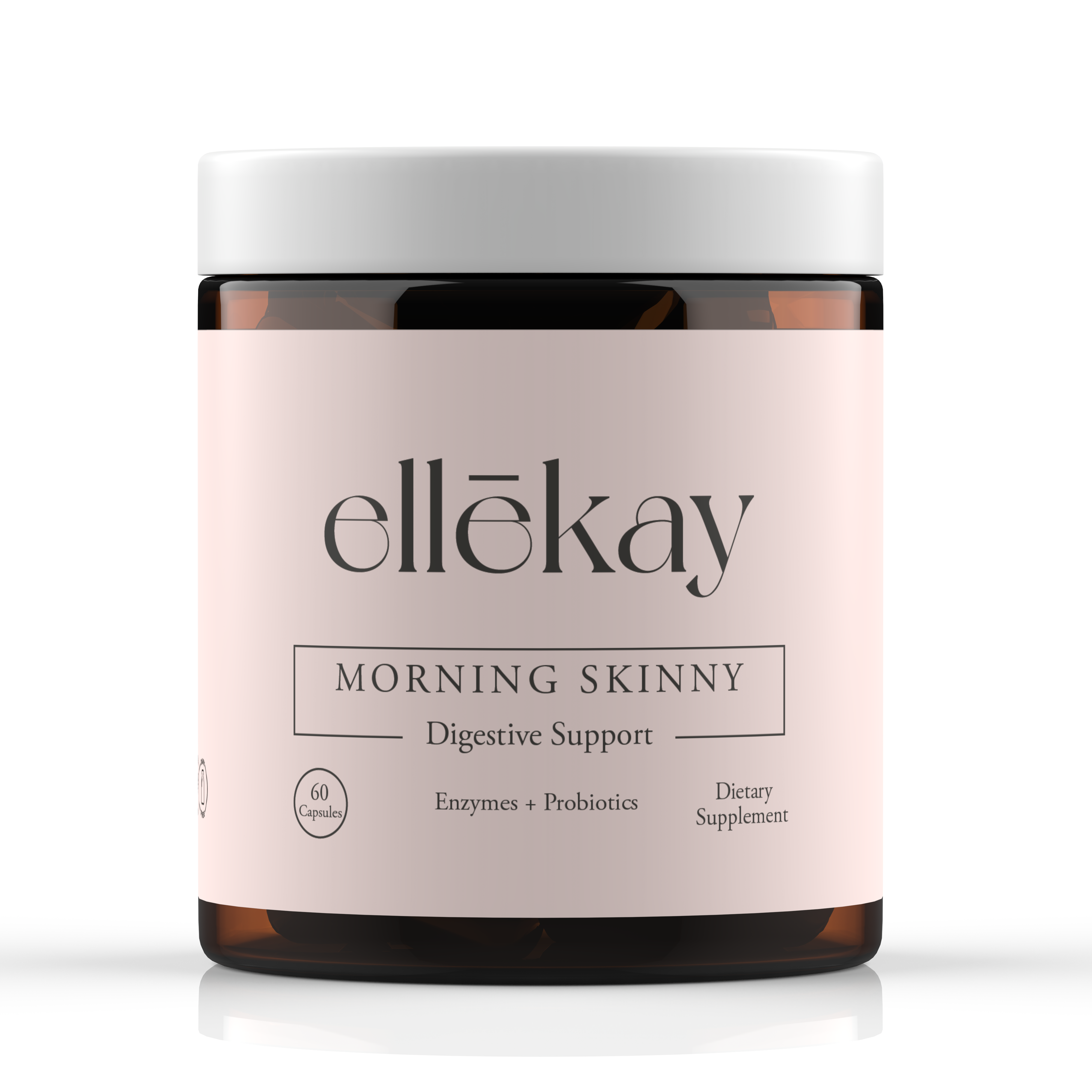
If you're thinking of adding systemic enzymes to your routine, the Morning Skinny supplement from ellēkay is formulated to support digestion, reduce inflammation, and encourage metabolism.
Can Systemic Enzymes Help Reduce Inflammation?
Yes—systemic enzymes can help lower inflammation by breaking down inflammatory proteins and supporting the body's own healing. Research suggests they may ease symptoms linked to conditions like arthritis and other inflammatory disorders. By targeting factors that drive inflammation, these enzymes can improve comfort and overall function.
Clinical studies further support the use of systemic enzyme supplements for managing low-grade inflammatory conditions.
Systemic Enzyme Supplements & Inflammation
Study notes components of systemic enzyme supplements and reports on clinical signs in severe congenital or acquired inflammatory, endocrine, renal, or pulmonary conditions.
Impact of systemic enzyme supplementation on low-grade inflammation in humans, 2015
How Do Systemic Enzymes Support Overall Wellness?
Systemic enzymes can boost metabolic health and energy by helping break down waste products and supporting detoxification. They may also improve nutrient absorption and have positive effects on immune response, helping your body deal with infections or stressors more effectively. Taken together, these effects make systemic enzymes a useful part of a holistic wellness plan.
How Do Digestive Enzyme Supplements Improve Digestion?
Digestive enzyme supplements give your body extra tools to break down food, which is especially helpful if you have enzyme shortfalls or regular digestive upset. Using them can lead to better nutrient absorption, less bloating, and smoother digestion overall.
What Happens When Your Body Lacks Digestive Enzymes?
When you don't have enough digestive enzymes, food isn't broken down well, which can cause bloating, gas, and poor nutrient absorption. You might also notice abdominal pain, diarrhea, or constipation. Over time, these issues can lead to nutrient deficiencies, so spotting the signs early helps you get the right support.
Which Natural Enzyme Supplements Support Digestive Health?
A few natural enzyme supplements that can support digestion include:
Bromelain: Derived from pineapples, bromelain aids in protein digestion and has anti-inflammatory properties.
Papain: Extracted from papaya, papain helps break down proteins and can alleviate digestive discomfort.
Morning Skinny: This supplement from ellēkay leverages systemic enzymes to support digestion and overall wellness.
These options offer targeted support if you're looking to improve digestion with natural enzymes.
How Does Enzyme Therapy Work for Inflammation and Wellness?
Enzyme therapy uses systemic enzymes to help the body heal and reduce inflammation. It's often used for people with long-term inflammatory issues or for those recovering from surgery or injury. By supporting the body's natural repair mechanisms, enzyme therapy can speed recovery and improve overall health.
The idea of using enzymes therapeutically for chronic inflammatory disease is an area of growing research interest.
Enzyme Therapy for Chronic Inflammation
Enzymes also hold significant therapeutic potential in the treatment of chronic inflammatory diseases.
Enzyme-based anti-inflammatory therapeutics for inflammatory diseases, 2025
What Is Enzyme Therapy and Who Can Benefit?
Enzyme therapy can help a wide range of people—those with chronic inflammation, digestive issues, or anyone aiming to boost recovery and general wellness. It may support healing after injuries or surgeries and assist with ongoing health concerns. If you're considering enzyme therapy, talk with a healthcare professional to find the right approach for you.
Certain enzymes are being explored specifically for their potential to address chronic inflammation and related pain syndromes.
Systemic Enzyme Therapy for Chronic Inflammation
Explores serratiopeptidase as a form of systemic enzyme therapy for low-intensity chronic inflammation and pain syndromes.
Perspectives for using serratiopeptidase in systemic enzyme therapy for low-intensity chronic inflammation and pain syndromes: from mechanisms of action to …, V Opryshko, 2024
How Are Systemic and Digestive Enzymes Used in Therapy?
Therapists use systemic enzymes mainly to lower inflammation and support recovery, while digestive enzymes are used to improve digestion and nutrient uptake. Knowing which goal you want to address makes it easier to choose the right type of enzyme support.
How to Choose the Right Enzyme Supplement for You?
When you're picking an enzyme supplement, keep a few simple factors in mind to match it to your goals:
Type of Enzyme: Determine whether you need systemic or digestive enzymes based on your health goals.
Quality of Ingredients: Look for supplements with high-quality, natural ingredients and minimal additives.
Dosage: Follow recommended dosages and consult with a healthcare professional if unsure.
Weighing these factors will help you choose an enzyme supplement that fits your needs and lifestyle.
What Should You Look for in a Digestive Enzyme Supplement?
When checking digestive enzyme products, focus on quality and coverage: choose formulas with high-quality enzymes, avoid fillers, and pick a broad-spectrum product that handles different macronutrients. It's also useful to read user reviews to see how others respond to the supplement.
Ingredient Quality: Ensure the supplement contains high-quality enzymes and is free from fillers or artificial ingredients.
Broad Spectrum: Look for a product that includes a variety of enzymes to support the digestion of different macronutrients.
User Reviews: Check for positive user experiences and testimonials to gauge the supplement's effectiveness.
Keeping these points in mind makes it easier to find a digestive enzyme that actually helps you feel better after meals.
Why Consider Morning Skinny for Systemic Enzyme Support?
ellēkay's Morning Skinny is built around systemic enzymes to offer broad digestive support. It's designed to support metabolism, reduce inflammation, and boost overall wellness. With its blend of quality ingredients, Morning Skinny aims to be a natural option for people wanting to improve digestion and vitality.
What Are Common Questions About Enzyme Supplements?
People often ask the same practical questions about enzyme supplements. Are they safe daily? How fast do they work? Do they cause side effects? The answers help you decide if enzymes are right for you.
Are they safe to use daily?: Yes, most enzyme supplements are safe for daily use when taken as directed.
How quickly can I expect results?: Results can vary, but many users report improvements within a few weeks of consistent use.
Do they have side effects?: Generally, enzyme supplements are well-tolerated, but some individuals may experience mild digestive upset.
Those common questions point to why it's useful to understand how enzyme supplements work and what to expect when you try them.
Are Enzyme Supplements Safe to Use Daily?
Yes—enzyme supplements are generally safe for daily use when you stick to recommended doses. Most people tolerate them well, but if you have specific health issues or allergies, check with your healthcare provider before starting any new supplement.
How Quickly Can You Expect Results from Enzyme Therapy?
How fast you'll notice a change depends on the enzyme type and what you're treating. Many people see improvements within 2–4 weeks of regular use, while full benefits may take longer. Knowing this timeline helps set realistic expectations when you begin enzyme therapy.
Reading about gut comfort is good. Feeling it is better.
Morning Skinny puts everything above into one ritual: two capsules with water after your largest meal, so that light, comfortable feeling stays with you.
1536+ reviews
Akkermansia
The clinically studied keystone strain your gut lining loves, over 3 billion TFU per serving.
9 enzymes
A 136mg digestive blend that helps break down your largest meal while you get on with your day.
4 botanicals
Calming, dosed herbs so you get up from the table comfortable, not heavy.