Bromelain benefits are backed by one of the broadest clinical evidence bases in the
enzyme supplement category. Papain, from papaya, shares many of the same therapeutic properties. Both break down proteins into amino acids for digestion, both demonstrate anti-inflammatory properties that extend beyond the gut, and both are pH-stable enough to remain active throughout the entire digestive tract.
What Makes Bromelain and Papain Different From Other Digestive Enzymes
Most digestive enzymes in supplements come from animal sources (usually pig or ox pancreas) or fungal sources (usually Aspergillus species). Bromelain and papain are plant-based enzymes, which gives them a distinct set of properties.
Both belong to the cysteine protease family, a classification based on the chemical mechanism they use to cleave protein bonds. They use a cysteine residue at their active site to attack peptide bonds, releasing amino acid fragments. This mechanism is distinct from serine proteases (like trypsin and chymotrypsin) and aspartate proteases (like pepsin), which use different active site chemistry.
The practical consequence is pH stability. Bromelain and papain retain proteolytic activity across a pH range of approximately 3 to 9. This means they are active in stomach acid (pH 1.5 to 2.5), in the small intestine (pH 7 to 8), and everywhere in between. Animal-derived pancreatic enzymes typically require enteric coating to survive stomach acid. Bromelain and papain do not.
Bromelain: The Pineapple Enzyme
Bromelain is not a single enzyme but a complex of multiple proteolytic enzymes extracted from pineapple (Ananas comosus), primarily from the stem rather than the fruit. The stem contains the highest concentration of active bromelain. This concentrated pineapple enzyme supplement form is standardized in GDU (gelatin-digesting units) or MCU (milk-clotting units) for therapeutic applications.
Clinical research on bromelain spans multiple therapeutic areas:
Digestive support. Bromelain breaks down dietary proteins into smaller peptides and amino acids, improving protein digestion and reducing the fermentable residue that can cause gas and bloating after high-protein meals.
Anti-inflammatory activity. A 2024 comprehensive review published in PMC (Exploring the Therapeutic Potential of Bromelain) documented its use in reducing inflammation in osteoarthritis, soft tissue injuries, sinusitis, and post-surgical recovery. The mechanism involves inhibition of prostaglandin E2 synthesis and modulation of NF-kB inflammatory signaling pathways.
Respiratory health. Bromelain has been used in European countries for treating sinusitis and bronchitis based on its ability to reduce mucosal inflammation and improve mucus clearance. A randomized controlled trial published in Phytomedicine found it significantly reduced sinusitis symptom scores compared to placebo.
Wound healing. Bromelain is an active ingredient in some topical debridement products for burn wounds. Its proteolytic activity selectively removes damaged tissue while leaving healthy tissue intact.
Research note: The anti-inflammatory and wound-healing properties of bromelain are most significant when it is absorbed systemically, not just used topically in the gut. For systemic effects, bromelain is taken away from meals. For digestive support, it is taken with meals. These are two distinct use cases requiring different timing.
Papain: The Papaya Enzyme
Papain is extracted from the latex of unripe papaya (Carica papaya) and has been used medicinally for centuries in tropical cultures. Like bromelain, it is a cysteine protease, but its molecular structure and properties differ in important ways. Papain enzyme benefits include some distinct advantages over bromelain in specific therapeutic contexts.
Stronger antioxidant activity. Research from Specialty Enzymes found that papain exhibits more free radical scavenging activity than bromelain, suggesting stronger antioxidant potential as one of the key papain enzyme benefits.
Superior edema reduction. Studies comparing the two enzymes found papain more effective than bromelain in reducing edema (tissue swelling), making it particularly relevant for post-surgical recovery and injury management.
Broader antibacterial properties. Papain has demonstrated antibacterial activity against multiple bacterial species in laboratory research, and some dental hygiene products incorporate papain for its antibacterial effects on oral biofilm.
Digestive versatility. Papain's activity across a wide pH range makes it useful throughout the digestive tract. Some research suggests papain supplementation improves protein digestibility in people with compromised digestive function. These papain enzyme benefits overlap with bromelain but are distinct in their relative strength across applications.
 morning skinny plant enzyme wellness supporting">
Bromelain vs Papain: Key Comparisons
| Property |
Bromelain |
Papain |
| Source |
Pineapple stem |
Papaya latex |
| Enzyme class |
Cysteine protease |
Cysteine protease |
| pH active range |
pH 3 to 9 |
pH 3 to 9 |
| Anti-inflammatory |
Stronger (more RCT data) |
Effective (less RCT data) |
| Edema reduction |
Moderate |
Superior |
| Antioxidant activity |
Good |
Stronger free radical scavenging |
How to Use Bromelain and Papain Supplements
For digestive support: Take bromelain or papain supplements immediately before or with protein-rich meals. The enzymes work on food in the stomach and small intestine, improving protein digestion and reducing post-meal discomfort. A pineapple enzyme supplement used as a pre-meal digestive aid is one of the most straightforward applications of bromelain benefits.
For anti-inflammatory support: Take away from meals on an empty stomach. This allows bromelain and papain to be absorbed systemically rather than consumed working on food in the gut. Systemic absorption is necessary for the anti-inflammatory effects documented in clinical research.
Dosing: Bromelain supplementation in clinical research typically uses 200 to 2,000 mg per day. Papain is typically used in combination with bromelain and other enzymes in broad spectrum digestive enzyme products. Look for activity measured in PU (Papain Units) or SAPU (Spectrophotometric Acid Protease Units) for standardized papain products. When choosing a pineapple enzyme supplement specifically for bromelain benefits, GDU potency disclosure gives you the most meaningful comparison between products.
Who should be cautious: People taking blood thinners should be aware that bromelain has mild anti-platelet properties and may interact with anticoagulant medications at higher doses. Those with pineapple or papaya allergies should avoid these supplements.
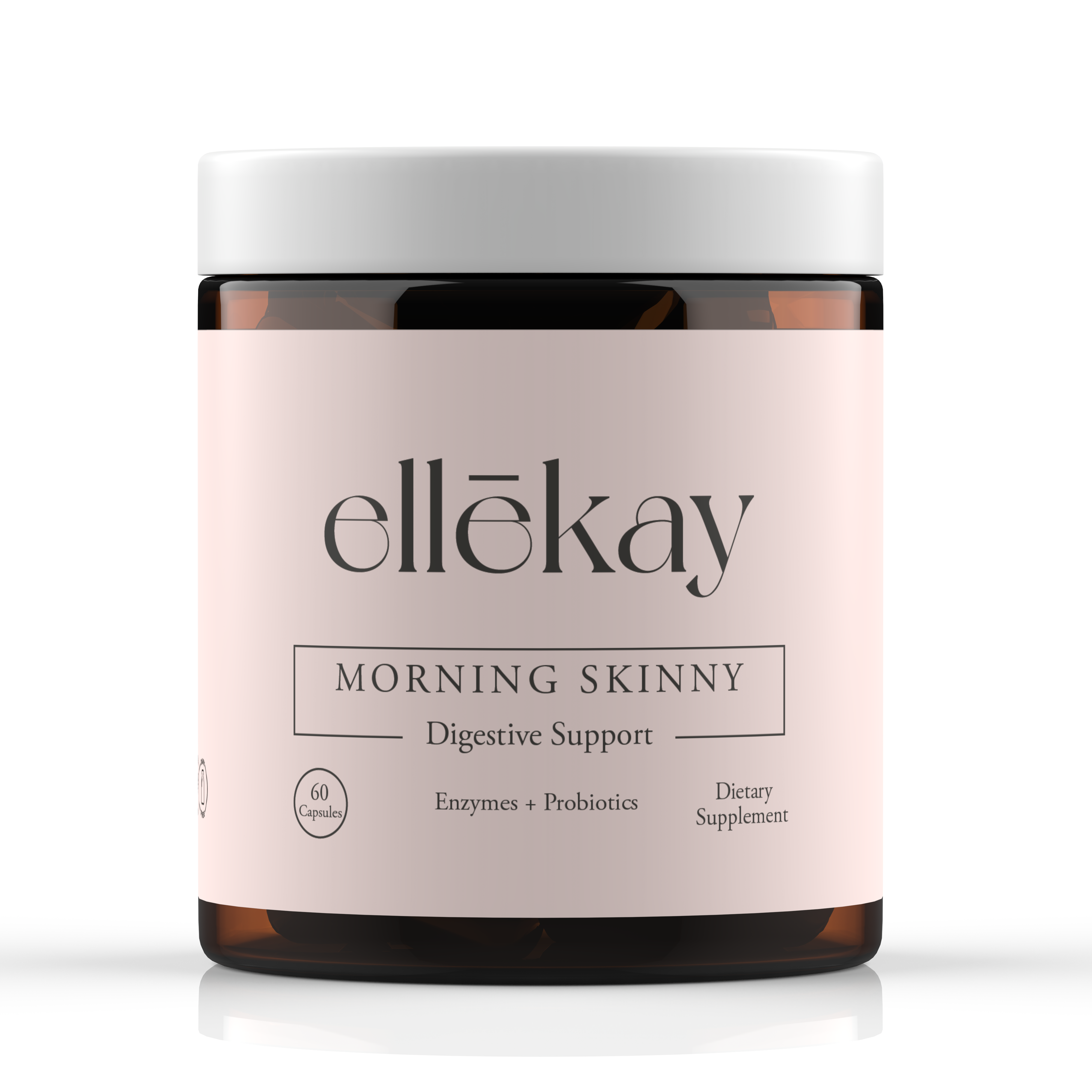
At Ellekay, we love that gut health has so much to teach us. Our Morning Skinny is designed to work with your body's natural digestive rhythms, and the science of plant-based digestive enzymes like bromelain and papain is part of the broader story of how what you put in your body shapes how you feel. Visit our Contact page for more.
Frequently Asked Questions
What is bromelain and where does it come from?
Bromelain is a family of proteolytic (protein-digesting) enzymes extracted primarily from pineapple stem extract. The stem has much higher concentrations than the fruit, which is why quality pineapple enzyme supplements use stem-derived bromelain rather than fruit extract. Bromelain benefits come from this concentrated cysteine protease complex, which is active across a wide pH range without requiring enteric coating.
What is papain and how does it compare to bromelain?
Papain is a cysteine protease extracted from the latex of papaya fruit (Carica papaya). Like bromelain, it is active across a pH range of 3 to 9. The key papain enzyme benefits that differentiate it from bromelain include stronger antioxidant activity and superior edema reduction. Bromelain has more robust anti-inflammatory clinical trial data. Both are effective digestive proteases.
Do bromelain and papain help with digestion?
Yes. Both bromelain and papain are effective proteases that help break down dietary protein in the stomach and small intestine, improving protein digestibility and reducing the incomplete digestion that causes gas and bloating after high-protein meals. Bromelain benefits for digestion are best realized when the pineapple enzyme supplement is taken immediately before or at the start of a protein-rich meal.
Are bromelain and papain anti-inflammatory?
Yes. Both enzymes have documented anti-inflammatory properties. Bromelain modulates the inflammatory cascade through prostaglandin E2 inhibition and NF-kB pathway modulation, with a 2024 PMC review documenting its effects on osteoarthritis, sinusitis, and post-surgical recovery. Papain enzyme benefits in inflammation include edema reduction. For anti-inflammatory effects, systemic absorption (taking away from meals) is required rather than digestive use.
Can I get enough bromelain and papain from eating pineapple and papaya?
The bromelain content in pineapple fruit is substantially lower than in pineapple stem extract used in pineapple enzyme supplement products. You would need to consume unrealistically large amounts of pineapple fruit to approach therapeutic doses of bromelain. Papaya fruit similarly contains lower papain concentrations than standardized papain enzyme supplements. For therapeutic papain enzyme benefits or meaningful bromelain activity, concentrated supplements are more reliable than food sources alone.
Written by the Ellekay Wellness Team | Reviewed by our gut health research advisors | Published April 2026 | Sources: PMC Exploring Therapeutic Potential of Bromelain (2024), Specialty Enzymes Papain vs Bromelain, PMC Therapeutic Effects of Bromelain and Papain (2023), QIDOSHA Plant Enzymes Overview
Related guides