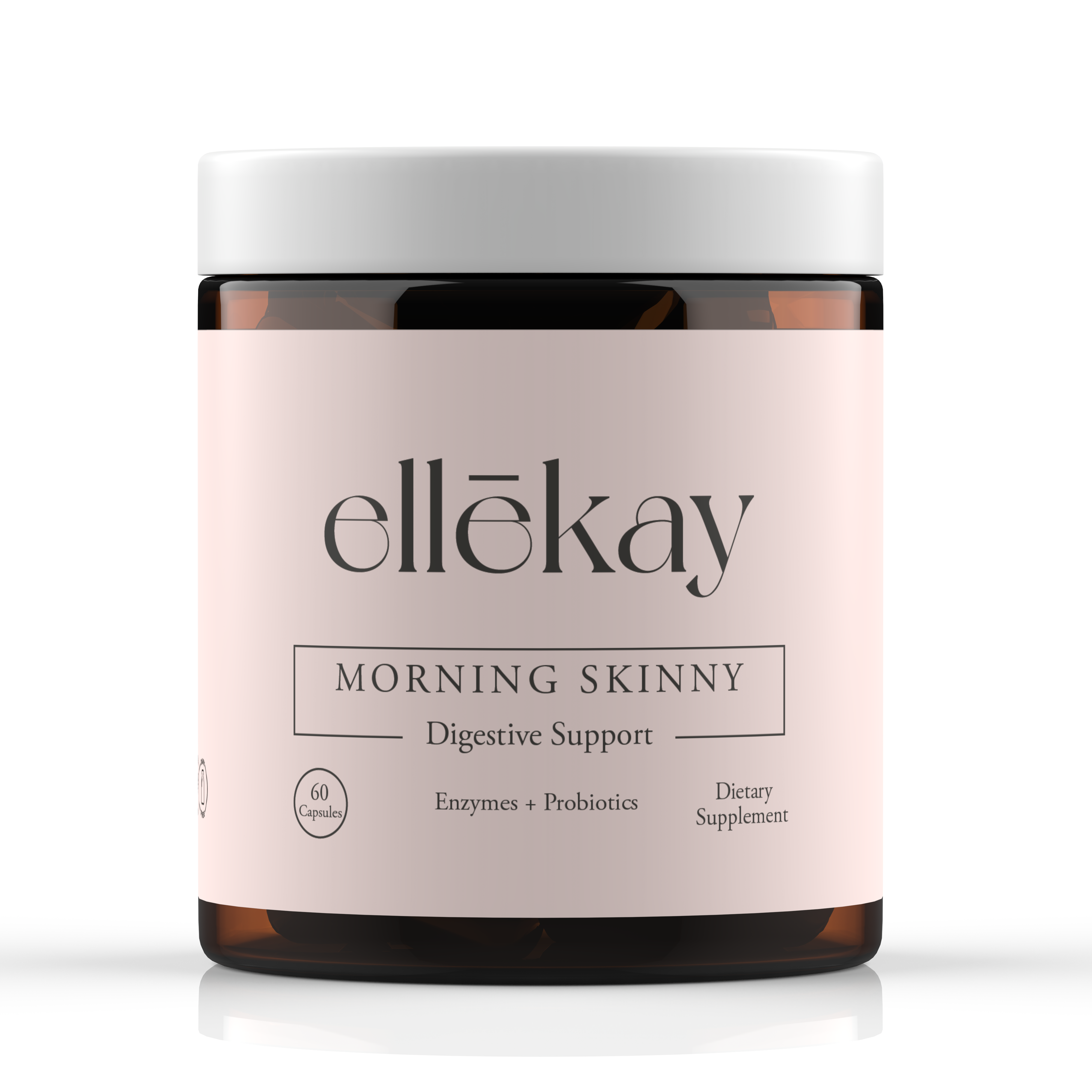
Gut health during pregnancy shapes both your digestion and your baby's earliest microbiome. The choices you make in these months lay biological groundwork that lasts a lifetime. The Morning Skinny gut-debloat blend is one targeted option, but safe, lasting digestive support starts with evidence-based foundations built across all three trimesters.
By Ellekay Team, Women's Wellness Experts
Why Gut Health During Pregnancy Plays a Critical Role
Pregnancy triggers a cascade of hormonal and physical changes that reshape how your body processes food. Progesterone, which rises sharply in the first trimester to support uterine relaxation, also slows gut motility throughout the digestive tract. This means food moves more slowly, improving nutrient absorption but also creating conditions for bloating, gas, and constipation.
Beyond your own comfort, gut health during pregnancy is crucial for your baby's development. A 2012 study by Rautava, Luoto, Isolauri, and Salminen, published in Gut, found that the composition of the maternal gut microbiome directly influences the early microbial colonization of the infant gut. This colonization plays a central role in programming the infant immune system, and disruptions at this stage are linked to higher risk of allergies, eczema, and metabolic conditions later in life.
The gut-brain axis also means that changes in gut bacteria affect mood. Many expecting mothers notice anxiety or mood fluctuations that extend beyond typical pregnancy emotions, and an imbalanced gut microbiome can amplify these effects through disrupted serotonin signaling.
How Your Gut Microbiome Shifts Across Trimesters
The gut microbiome does not stay static throughout pregnancy. A 2018 review by Stiemsma and Michels in The Journal of Nutrition documented significant changes in maternal microbial diversity across trimesters. By the third trimester, the microbiome shifts toward supporting greater energy extraction from food, an adaptation that benefits the growing baby but can leave the mother more prone to digestive discomfort.
Understanding these changes helps you adjust your digestive support strategy as pregnancy progresses. Early trimesters may call for anti-nausea probiotic strains, while the third trimester often requires more fiber and hydration to counteract slower gut transit.
Gut microbiome tests can offer a general snapshot of bacterial diversity, but the science linking specific test results to pregnancy outcomes is still developing. Results alone should not drive supplement decisions, if you are curious about your own gut bacteria profile, bring the idea to your OB-GYN so any findings are read alongside your full health picture.
Evidence-Backed Probiotic Strains for Expecting Mothers
Not all probiotic strains carry the same evidence base, and during pregnancy, specificity matters. The following strains are among the most researched for prenatal use:
Lactobacillus rhamnosus GG: Kalliomaki and colleagues, writing in The Lancet (2001), found that prenatal supplementation with this strain reduced the risk of early childhood eczema by nearly half, demonstrating its reach into infant immune development.
Bifidobacterium longum: Supports gut barrier integrity and helps regulate the immune response. This strain is especially relevant because it is one of the first bacteria to colonize a newborn's gut, making prenatal support essential.
Lactobacillus acidophilus: A foundational strain that aids digestion and helps maintain a healthy gut environment populated by beneficial bacteria.
Lactobacillus reuteri: Research associates prenatal use with reduced colic symptoms in breastfed infants, suggesting a direct mother-to-baby transfer of benefit through breast milk.
Food sources and probiotic supplements each offer real benefits, and the better fit often depends on appetite, nausea, and how consistently you can eat fermented foods day to day. A closer look at probiotic foods versus supplements can help you decide which approach fits your pregnancy best.

Building a Gut-Healthy Diet During Pregnancy
Food is the most essential lever for shaping gut bacteria during pregnancy. A diverse, fiber-rich diet feeds beneficial microbes and crowds out less helpful ones. Priority foods include:
-
Yogurt and kefir with live active cultures, among the safest and most effective fermented foods during pregnancy
-
Pasteurized sauerkraut and kimchi, which provide probiotic benefit without the listeria risk of unpasteurized versions
-
Legumes, oats, and leafy greens, which supply prebiotic fiber that feeds and sustains gut bacteria between meals
-
Berries, apples, and citrus, rich in polyphenols that support microbial diversity
Processed foods and high-sugar diets reduce bacterial diversity, making gut health important to protect through deliberate food choices at every meal. Even incremental daily habits, choosing whole grains over refined ones, adding leafy greens, swapping sweet drinks for water, compound into meaningful microbiome changes over the course of a pregnancy.
The gut lining itself, coated in a protective layer of mucus, houses much of this bacterial activity and forms a barrier between gut bacteria and the rest of the body. Understanding what strengthens or wears down the intestinal mucin layer adds another piece to a complete gut health picture during pregnancy.
Hydration and Fiber for Digestive Comfort
Fiber and water work together in ways that many women underestimate during pregnancy. Fiber absorbs water in the colon to soften stool and promote regular bowel movements. Without adequate water intake, increasing dietary fiber can worsen constipation rather than relieve it.
The American College of Obstetricians and Gynecologists recommends 8 to 10 cups of water daily during pregnancy, with higher needs in the second and third trimesters. Warm water with lemon in the morning, ginger tea for nausea, and consistent sipping throughout the day all help meet this target comfortably.
Ginger has genuine evidence supporting its use in pregnancy. Vutyavanich and colleagues, publishing in Obstetrics and Gynecology (2001), found that 1 gram of ginger daily significantly reduced nausea and vomiting in the first trimester with no adverse effects reported.
Postbiotics, the beneficial compounds produced when gut bacteria ferment fiber, also support the gut lining and may reduce intestinal inflammation.
If you have specific questions about which digestive support options fit your needs, you can contact the Ellekay team for personalized guidance.
Frequently Asked Questions
Are probiotics safe to take during pregnancy?
Most research supports the safety of well-studied probiotic strains during pregnancy and lactation. A 2012 meta-analysis by Rautava and colleagues in Gut found no increased risk of adverse maternal or neonatal outcomes with probiotic supplementation. Always confirm any new supplement with your OB-GYN first, as individual health history and current medications matter.
Why does constipation get worse during pregnancy?
Progesterone relaxes smooth muscle throughout the body, including the digestive tract, which slows gut transit. This supports nutrient absorption but makes constipation more common, especially in the second and third trimesters. Prenatal vitamins containing iron compound the issue. Increasing fiber and water intake together is the most evidence-backed first step.
Can my diet affect my baby's gut bacteria?
Yes. Research by Dominguez-Bello and colleagues, published in the Proceedings of the National Academy of Sciences (2010), confirmed that birth mode, maternal diet, and prenatal probiotic use all influence the first bacteria to colonize a newborn's gut. These early strains shape immune development in ways that affect allergy and metabolic risk throughout childhood.
When should I start focusing on gut health during pregnancy?
As early as possible, ideally before conception, but the first trimester is not too late. Gut microbiome changes begin early, and baby gut health outcomes are shaped by the maternal microbiome across all three trimesters. Starting with dietary changes and a prenatal probiotic in the first trimester gives you the most time to build a strong foundation.
What fermented foods are safe during pregnancy?
Pasteurized yogurt and kefir are the safest fermented foods for gut health during pregnancy. Pasteurized sauerkraut and kimchi are also appropriate choices. Avoid unpasteurized fermented foods due to listeria risk. These food sources provide live cultures that support healthy gut bacteria without the uncertainty of raw fermentation.
Build Your Gut Health Routine Before Baby Arrives
Pregnancy is one of the most important windows to invest in your gut health, for your digestion, your mood, and your baby's long-term development. Choosing fiber-rich foods, staying hydrated, and selecting evidence-backed probiotic strains are practical steps every expecting mother can take. Ellekay's Morning Skinny is designed to complement your daily wellness routine with targeted digestive support formulated for women who want to feel their best from the inside out.