digestive enzymes actually work science evidence hero">
The answer to whether digestive enzymes work depends entirely on the condition: they work very well for specific diagnoses and have weak evidence for general-population use. Lactase for lactose intolerance, alpha-galactosidase for bean bloating, and prescription pancreatic enzymes for enzyme deficiency all have robust clinical support. Broad spectrum enzymes for nonspecific gut complaints are more variable. Here is what the clinical evidence actually shows about do digestive enzymes work and whether they are worth it.
The Evidence Landscape: Honest Assessment
The digestive enzyme supplement market ranges from genuinely useful, well-researched products to questionable formulas with no clinical backing. Understanding where the evidence is strong, where it is mixed, and where it is absent helps you make a decision grounded in reality rather than marketing claims.
Digestive enzyme supplements are regulated as foods in the US, not as drugs. There is no FDA oversight requirement for pre-market efficacy proof. This means any company can sell a digestive enzyme product with almost any claim as long as they avoid explicitly claiming to treat or cure a disease. This regulatory gap is why product quality and evidence levels vary so dramatically, and why evaluating digestive enzyme evidence yourself matters.
Where Digestive Enzymes Have Strong Clinical Evidence
Lactase for Lactose Intolerance
This is the single most evidence-supported category of digestive enzyme supplementation. Lactase supplements (products like Lactaid) work by supplying the lactase enzyme that lactose-intolerant individuals cannot produce in sufficient quantities in their small intestine.
Multiple randomized controlled trials confirm that taking lactase supplements before dairy consumption reliably reduces bloating, gas, cramping, and diarrhea in people with lactose intolerance. The mechanism is straightforward: the supplemental lactase breaks down lactose in the small intestine, preventing it from reaching the colon where bacteria would ferment it into gas.
Lactase is widely cited by medical sources as one of the clearest cases where an enzyme supplement provides real benefit. For lactose intolerance, are digestive enzymes worth it? Unambiguously yes.
Alpha-Galactosidase for Bean and Vegetable Gas
Alpha-galactosidase (the active ingredient in Beano) breaks down raffinose and stachyose, complex sugars found in beans, lentils, broccoli, cabbage, and other gas-causing vegetables. The human small intestine cannot produce alpha-galactosidase, so these sugars routinely travel undigested to the colon where bacteria ferment them into gas.
Clinical studies have confirmed that taking alpha-galactosidase before consuming gas-producing foods significantly reduces flatulence and bloating. This is a case where supplemental digestive enzymes fill a genuine gap in human digestive capability. The digestive enzymes effectiveness here is among the most straightforward in the supplement category.
Prescription Pancreatic Enzymes for Exocrine Pancreatic Insufficiency
For people with exocrine pancreatic insufficiency (EPI), a form of pancreatic enzyme insufficiency where the pancreas fails to produce adequate amounts of digestive enzymes, prescription pancrelipase (a combination of lipase, amylase, and protease from porcine sources) is highly effective and medically essential. Without enzyme replacement therapy, people with EPI experience severe malnutrition.
FDA-approved pancrelipase products (Creon, Zenpep, Pancreaze) have undergone rigorous clinical testing and are among the most well-documented digestive enzyme therapies in medicine.
Broad Spectrum Enzymes for Functional Dyspepsia
A 2023 randomized, double-blind, placebo controlled trial published in Biomedicine and Pharmacotherapy specifically evaluated digestive enzyme supplementation in patients with functional dyspepsia (persistent indigestion without a clear structural cause). The enzyme group showed significantly improved symptoms including bloating, early satiety, and post-meal discomfort compared to placebo.
This represents genuine digestive enzyme evidence that broad spectrum supplements can meaningfully reduce digestive discomfort in people with functional digestive issues, extending beyond documented enzyme deficiencies.
The honest summary: Digestive enzyme supplements have strong evidence for specific enzyme deficiencies (lactose intolerance, EPI) and moderate evidence for functional dyspepsia. Evidence for IBS, general bloating in healthy people, or weight management is weak. Know which category your situation falls into before expecting specific results.
Where the Evidence Is Weak
Digestive enzyme supplements for IBS. Irritable bowel syndrome is a complex functional gut disorder with multiple proposed mechanisms. Clinical trials of enzyme supplementation in IBS populations have not shown consistent benefit. Some IBS patients overlap with lactose intolerance or FODMAP sensitivity, and targeting those specific intolerances with appropriate enzymes can help, but enzymes do not treat IBS itself.
General bloating in healthy people. Johns Hopkins Medicine notes that, overall, a healthy person really doesn't need to take digestive enzyme supplements. For people without documented enzyme deficiency or functional dyspepsia, the evidence that adding enzymes to an already-functional digestive system produces meaningful benefits is limited. In terms of are digestive enzymes worth it for healthy people with no symptoms, the evidence does not strongly support it.
Weight loss claims. Some enzyme supplements are marketed with weight management claims. The evidence for digestive enzymes directly causing weight loss is not established in the clinical literature. While improving fat digestion (via lipase) could theoretically improve nutrient absorption and support overall digestive wellness, there is no robust evidence that enzyme supplements cause meaningful weight reduction.
Supplement quality concerns. Even for conditions where digestive enzymes effectiveness is established, poor supplement quality can undermine results. Products with low enzyme activity, proprietary blends that hide individual dosing, or fillers that crowd out active enzyme content may fail to deliver therapeutic doses. Enzyme deficiency in the product itself, rather than in your body, is a real reason some people see no results from otherwise evidence-backed enzyme categories. This is why third-party tested products with clearly listed enzyme activity units matter.
How to Evaluate If Enzyme Supplements Are Working For You
1
Identify your specific symptom
Is your issue dairy-related bloating? Bean and vegetable gas? General post-meal discomfort regardless of food type? The specific trigger helps determine which enzyme type should help and whether the digestive enzyme evidence supports your use case.
2
Match enzyme to the problem
Dairy symptoms: lactase. Bean and vegetable gas: alpha-galactosidase. Protein-heavy meal discomfort: protease. High-fat meal issues: lipase. General digestion support: broad spectrum formula with all three primary enzyme types.
3
Time it correctly
Take digestive enzyme supplements immediately before the problematic meal. Enzymes taken after symptoms start, or on an empty stomach, cannot retroactively address already-completed digestion.
4
Check for enzyme activity units on the label
A supplement listing only milligrams without enzyme activity units (HUT, DU, FIP) cannot tell you its actual potency. Quality digestive enzyme supplements list activity units for each enzyme type included. Digestive enzymes effectiveness depends heavily on the actual potency delivered.
5
Give it 4 to 6 weeks
For acute symptoms from specific foods, you should notice a difference immediately. For general digestive improvement, evaluate after 4 to 6 weeks of consistent use before deciding if the supplement is working for your gut health goals.
 morning skinny digestive enzyme evidence supporting">
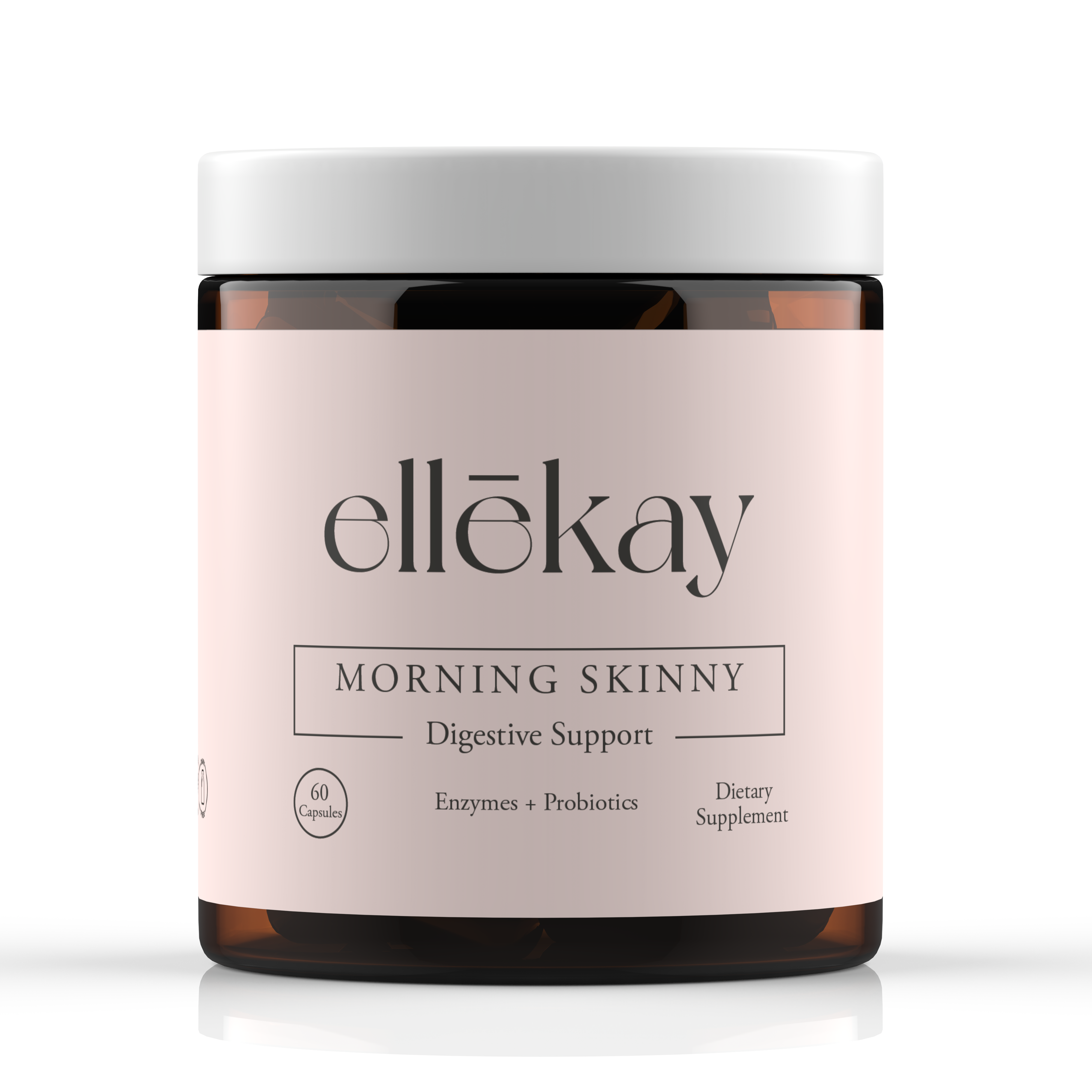
At Ellekay, we believe in approaches grounded in real science, not supplement marketing. Our Morning Skinny supports your gut health through your body's natural overnight processes, creating the digestive environment that makes both your body's own enzymes and any supplement support work more effectively. For more on our gut health approach, visit our Contact page.
morning skinny digestive enzyme evidence supporting">
At Ellekay, we believe in approaches grounded in real science, not supplement marketing. Our Morning Skinny supports your gut health through your body's natural overnight processes, creating the digestive environment that makes both your body's own enzymes and any supplement support work more effectively. For more on our gut health approach, visit our Contact page.
Frequently Asked Questions
Do digestive enzyme supplements actually work?
It depends entirely on the specific condition and enzyme. The digestive enzyme evidence is strong for specific diagnoses: lactase for lactose intolerance, alpha-galactosidase for bean bloating, and prescription pancrelipase for exocrine pancreatic insufficiency all have robust clinical backing. Broad spectrum enzymes for functional dyspepsia have moderate evidence. For healthy people without enzyme deficiency, do digestive enzymes work in a meaningful way? The evidence is limited.
Do digestive enzymes help with IBS?
The evidence for digestive enzyme supplements improving IBS symptoms is limited. Most clinical trials have not shown consistent benefit for IBS as a diagnosis. However, some IBS patients have overlapping lactose intolerance or FODMAP sensitivity, and using appropriate targeted enzymes (lactase, alpha-galactosidase) for those specific triggers can help. Digestive enzyme evidence does not support enzymes as an IBS treatment.
What digestive enzyme supplements have the strongest evidence?
The strongest digestive enzyme evidence exists for: (1) lactase supplements for lactose intolerance (multiple robust RCTs), (2) alpha-galactosidase for bean and vegetable gas (strong mechanism and clinical confirmation), and (3) prescription pancrelipase for exocrine pancreatic insufficiency (FDA-approved with rigorous clinical testing). These represent the clearest cases for digestive enzymes effectiveness in the published literature.
Can healthy people benefit from digestive enzyme supplements?
For most healthy people with intact pancreatic function, the evidence is limited. Johns Hopkins Medicine notes that a healthy person really doesn't need digestive enzyme supplements. Are digestive enzymes worth it for healthy people? Only if specific food intolerances (dairy, beans) are identified as the source of symptoms. In those targeted situations, enzyme supplements address a real gap that even healthy digestive systems cannot fill.
How long should you try digestive enzymes before deciding if they work?
For acute symptoms like bloating or discomfort after specific foods, you should notice a difference within the same meal if the digestive enzymes effectiveness matches your specific issue. For general digestive improvement, evaluate after 4 to 6 weeks of consistent use. If symptoms have not improved meaningfully after that period with a quality, third-party tested enzyme supplement at appropriate dosing, reconsider whether enzyme deficiency is the actual underlying cause.
Written by the Ellekay Wellness Team | Reviewed by our gut health research advisors | Published April 2026 | Sources: Biomedicine and Pharmacotherapy Functional Dyspepsia Trial (2023), Johns Hopkins Digestive Enzymes and Supplements
Related guides