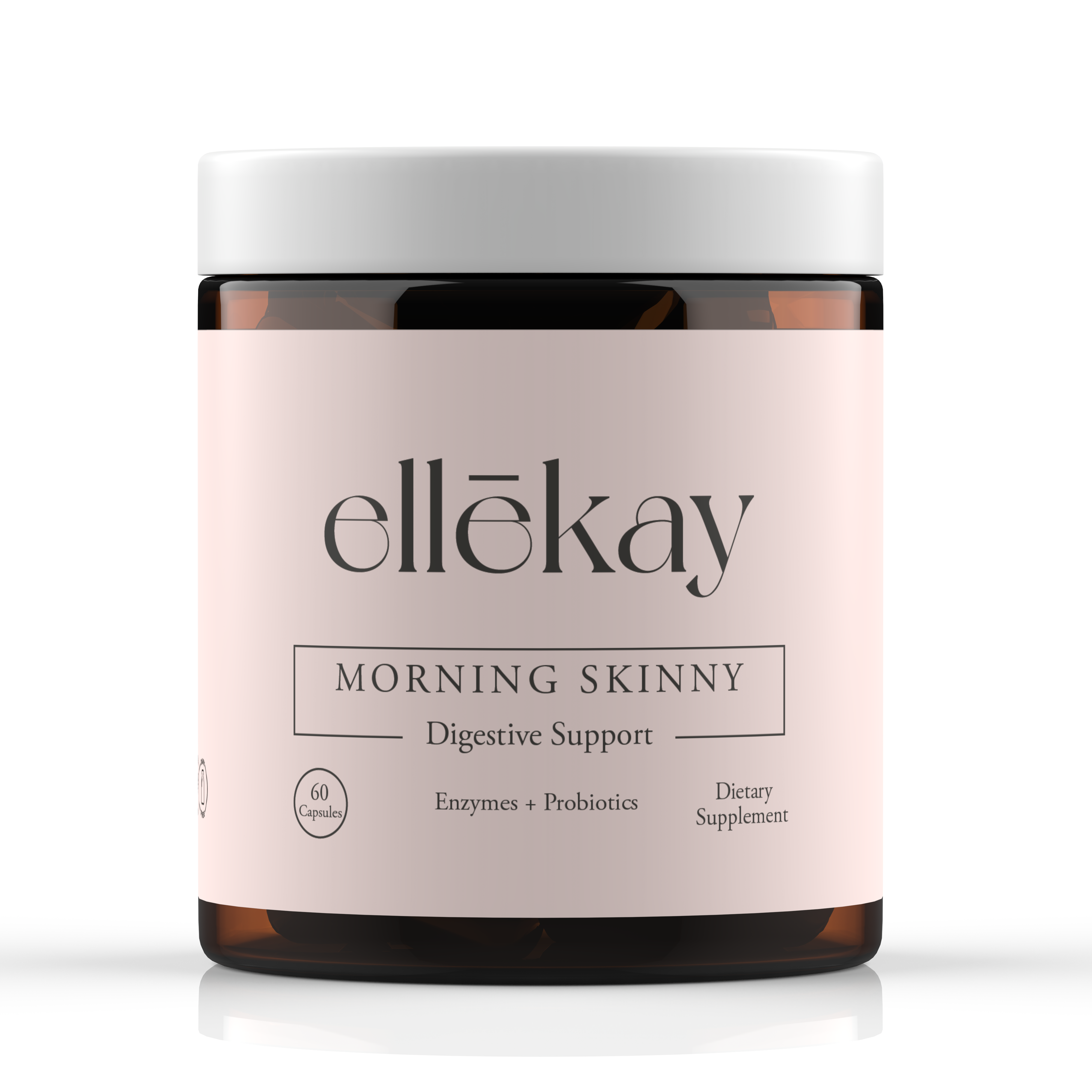

Coffee and your gut have a complicated relationship: that first cup can jump-start digestion, trigger a bathroom trip, or leave you bloated by mid-morning. The difference often comes down to how much you drink, how your body handles caffeine, and whether you're supporting digestion elsewhere, like with the Morning Skinny formula, on the days coffee doesn't sit right.
By Ellekay Team, Women's Wellness Experts
Understanding coffee and your gut starts with what caffeine actually does inside your digestive tract. For most women, coffee is the main content of the morning routine, the ritual that kicks the day into gear before breakfast even hits the table. But coffee caffeine does more than wake up your brain. Caffeine stimulates the muscles of your digestive tract, speeding up motility in the colon and, for many people, triggering the urge to use the bathroom within 20 to 30 minutes of that first sip. Mayo Clinic notes that caffeine can stimulate colon contractions, which is part of why moderate coffee consumption is linked to more regular bowel movements for many drinkers.
Coffee also affects gut health beyond motility. It's mildly acidic, which can increase stomach acid production. For women with sensitive stomachs, acid reflux, or a history of gastritis, this may explain why coffee sometimes causes discomfort even when the caffeine itself is well tolerated.
Coffee and Your Gut Microbiome: The Science Behind the Buzz
Your gut microbiome, the trillions of bacteria living in your digestive tract, doesn't just tolerate coffee. Research suggests it may actually benefit from it. Coffee beans contain polyphenols, plant compounds that act as prebiotics, feeding beneficial bacteria strains in the colon. Some of the health benefits linked to regular coffee drinkers, including lower rates of type 2 diabetes and certain liver conditions, may be partly explained by these gut microbiome changes, according to research summarized by the National Institutes of Health.
The way you brew matters too. A lighter roast retains more chlorogenic acid, one of the polyphenols tied to these gut microbiome benefits, while a darker roast develops more bitter compounds from extended roasting. Neither is inherently better for digestion, but if you're sensitive to acidity, a darker roast or cold brew method, which is naturally lower in acid, may sit easier.
How Many Cups Coffee You Drink Matters
How many cups coffee you drink each day changes the digestive picture significantly. Most research, including guidance referenced by the Dietary Guidelines for Americans, considers 3 to 4 cups per day, or about 400 milligrams of caffeine, a moderate and generally safe amount for healthy adults. At that level, coffee's effect on the gut is typically mild stimulation. Push past 5 or 6 cups per day, though, and side effects like cramping, loose stools, and jitteriness become more common.
If your gut tends to be reactive, start your coffee one cup at a time rather than back to back. Many women find that spacing a cup coffee in the morning and, if needed, another in early afternoon is easier on digestion than front-loading caffeine before 9 a.m. The best approach is the one your body tolerates, not a number pulled from a headline.
Black Coffee vs. Milk and Cream
Black coffee is easiest on a sensitive gut because there's no dairy to digest alongside the caffeine. Adding milk introduces lactose, which can cause bloating or gas in women with lactose sensitivity, on top of whatever the caffeine itself is doing. If you love a splash of milk, a lactose-free option, oat milk, and other options exist for women who react to dairy.
Iced Coffee, Cold Brew, and Espresso: Does Type Matter
Different types coffee lovers reach for, hot coffee, iced coffee, espresso, cold brew, all deliver caffeine, but the format can change how your gut responds. Iced coffee and cold brew are typically less acidic than hot, drip-brewed coffee, which may be gentler for reflux-prone stomachs. Espresso is more concentrated, so a single shot delivers a fast hit of caffeine in a small volume, sometimes triggering a quicker bathroom response than the same amount of caffeine sipped slowly in a large mug. Whether you prefer drip coffee, espresso, or something in between, the coffee espresso debate mostly comes down to concentration and speed of absorption, and espresso is one of the most popular ways to get a concentrated caffeine dose.
Freshly ground coffee, ground just before brewing, tends to retain more of the polyphenols mentioned earlier compared to pre-ground coffee that's been sitting on a shelf. There are dozens of coffees on the market, from single-origin beans to blends, and the roast level affects gut tolerance more than the origin does. Popular coffee drinks like lattes and cappuccinos add milk into the mix, layering lactose digestion on top of caffeine's effects. Pairing your coffee with a glass of water can also ease digestion, since caffeine has a mild diuretic effect and adequate water intake helps offset that.