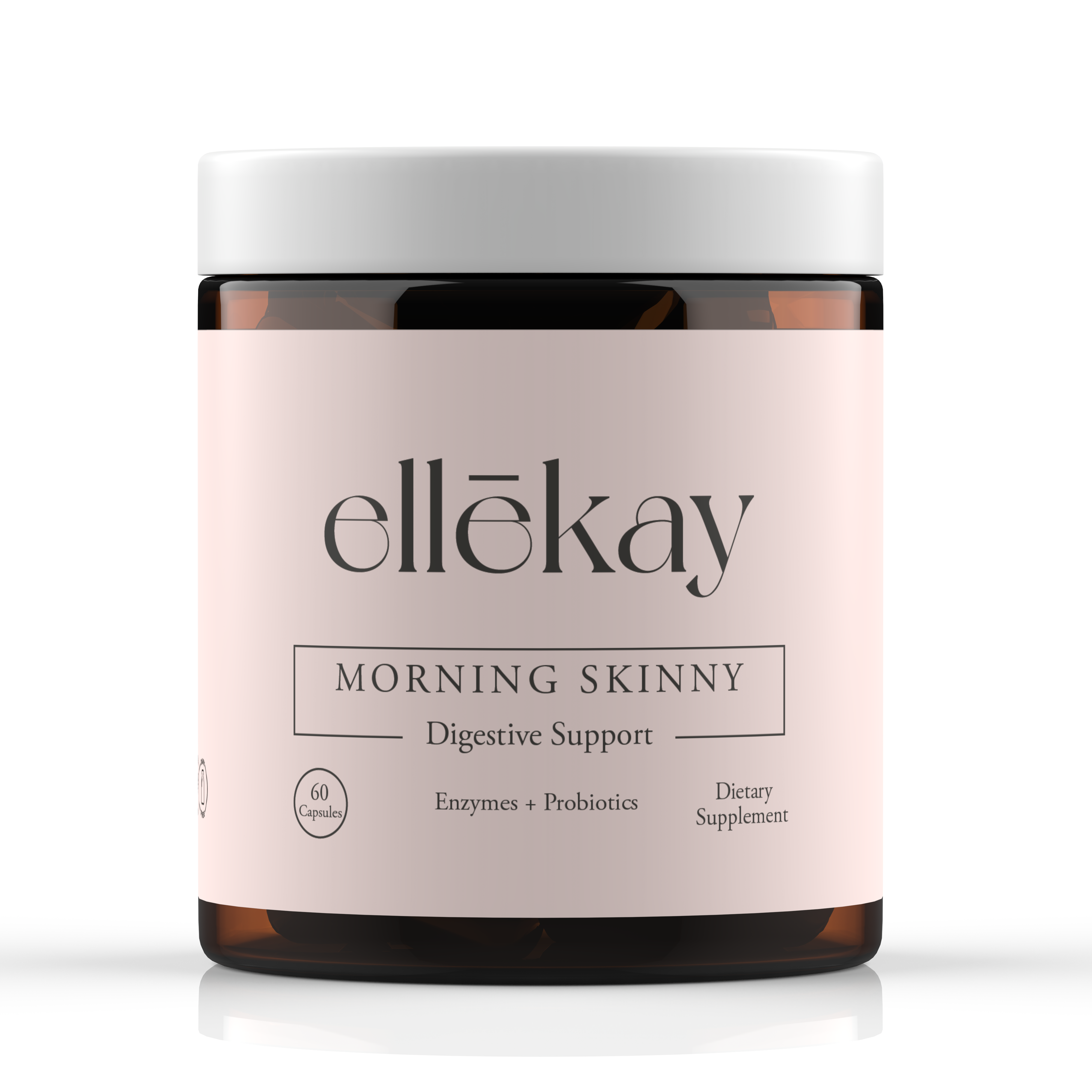
An anti-inflammatory diet for gut health prioritizes whole, colorful foods that calm intestinal irritation, nourish beneficial bacteria, and strengthen your body from the inside out. Pairing this eating style with Ellekay's Morning Skinny gives your gut targeted support alongside every meal.
By Ellekay Team, Women's Wellness Experts
Why Chronic Gut Inflammation Affects Your Whole Body
Chronic low-grade inflammation in the gut does not stay contained. It ripples outward, contributing to fatigue, skin disruption, and conditions tied to heart disease and elevated blood pressure. Researchers at Harvard Medical School have documented the link between intestinal permeability and systemic inflammatory markers, and the evidence consistently points to diet as one of the most accessible interventions available. When the gut lining is persistently irritated, the immune system stays on alert, and consistent food choices are the most direct way to reduce inflammation and shift that trajectory.
Core Foods for an Anti-Inflammatory Diet for Gut Health
The foundation is straightforward: emphasize colorful fruits vegetables, healthy fats, whole grains, and fermented foods, while limiting ultra-processed products, added sugar, and refined oils.
Omega-3 Fatty Acids and Healthy Fats
Omega-3 fatty acids are among the most studied anti-inflammatory compounds in nutrition. Found in wild salmon, sardines, walnuts, chia seeds, and flaxseed, these fatty acids shift the body's prostaglandin balance toward less inflammatory pathways. A 2021 meta-analysis in Nutrients by Calder et al. confirmed that higher dietary omega-3 intake correlates with measurable reductions in C-reactive protein, a key inflammatory marker.
Olive oil belongs here too. Extra-virgin olive oil contains oleocanthal, a natural compound with COX-1 and COX-2 inhibiting properties, according to Beauchamp et al. published in Nature in 2005. Making olive oil your default cooking fat is a small daily habit with compounding effects on gut inflammation.
Fiber-Rich Whole Grains
Oats, quinoa, brown rice, and barley feed short-chain fatty acid-producing bacteria in your colon. Those bacteria maintain the mucin layer that lines and protects your gut wall, and fiber intake is the most direct lever for keeping that layer intact.
Colorful Fruits and Vegetables
Berries, leafy greens, cruciferous vegetables, and citrus provide polyphenols and antioxidants that protect gut tissue from oxidative damage. Aim for five distinct colors on your plate daily. Variety matters because different plant compounds feed different microbial communities in the colon.

The Mediterranean Diet: A Blueprint for Gut Health
The mediterranean diet is the most thoroughly researched dietary pattern for reducing systemic inflammation. Built on abundant fruits vegetables, legumes, fish, whole grains, nuts, and olive oil, this eating style is consistently linked to lower rates of heart disease, better blood pressure control, and improved microbiome diversity.
A 2020 study published in Cell by Wastyk et al. showed that high-fiber, plant-forward diets increase microbiome diversity more reliably than many single-food interventions. Diversity is a key proxy for gut resilience, and the mediterranean diet delivers both fiber variety and polyphenol breadth together.
Building Anti-Inflammatory Meals Into Your Day
You do not need a rigid plan to benefit. A practical daily structure looks like this:
Morning: Greek yogurt with blueberries and ground flaxseed, or a green smoothie with frozen mango and hemp seeds. Start by pairing your breakfast with Morning Skinny gut-debloat blend to give your digestive system an early boost.
Midday: A large salad with leafy greens, canned wild salmon, tomatoes, pumpkin seeds, and a generous drizzle of olive oil and lemon. A slice of whole grain bread on the side keeps energy stable.
Afternoon: A small handful of walnuts or a bowl of edamame. Both provide fatty acids and plant protein without the inflammatory load of processed snacks.
Evening: A grain bowl with quinoa, roasted broccoli, chickpeas, and turmeric-spiced cauliflower. Curcumin, the active compound in turmeric, has been studied extensively for its role in modulating NF-kB pathways that drive the immune system's inflammatory response.
Fermented foods like plain yogurt, kefir, sauerkraut, and kimchi pair naturally with this same structure, adding live cultures alongside the fiber and polyphenols already on your plate. Whole foods remain the simplest starting point, with any supplement working best as a complement rather than a substitute.
How Gut Bacteria Amplify the Anti-Inflammatory Effect
Food works partly through its direct biochemistry and partly by shaping your microbiome. Certain bacteria, like Akkermansia muciniphila, are especially important for anti-inflammatory signaling and gut barrier strength, modulating immune responses through the same mechanisms an anti-inflammatory diet targets through food.
Polyphenol-rich foods from a mediterranean diet-style plate preferentially feed Akkermansia and other protective microbes. This is the deeper reason these dietary patterns work so well: it is not just about nutrients entering your bloodstream, it is about the microbial ecosystem those nutrients cultivate. Microbiome testing can offer a general snapshot of bacterial diversity for those who are curious, but the day-to-day food choices outlined here are what actually shift that ecosystem toward an anti-inflammatory state.
Frequently Asked Questions
Can an anti-inflammatory diet lower blood pressure?
Yes. Mediterranean-style eating is consistently linked to meaningful blood pressure reductions. The PREDIMED trial published in the New England Journal of Medicine by Estruch et al. in 2013 showed that participants following a mediterranean diet had significantly lower rates of cardiovascular events tied to elevated blood pressure compared to a low-fat control group.
How quickly does dietary change reduce inflammation?
Inflammatory markers like C-reactive protein can begin shifting within 2 to 4 weeks of consistent dietary change. Microbiome composition can shift faster, sometimes within days of increasing fiber and polyphenol intake. Structural benefits like improved gut lining integrity typically take 8 to 12 weeks of sustained effort.
Does the mediterranean diet specifically support gut health?
Yes. High-fiber, plant-forward eating like the mediterranean diet increases microbiome diversity and feeds short-chain fatty acid-producing bacteria that protect the gut lining. These bacteria produce compounds that directly reduce intestinal inflammation and support immune regulation throughout the body.
Do supplements add value alongside this eating plan?
Whole foods cover most of what the gut needs, but targeted supplements can bridge gaps during the transition period. Postbiotic compounds, the metabolic byproducts bacteria produce through fermentation, are a growing area of interest because they may offer some of the same signaling benefits as live probiotics. They work best layered onto a food-first foundation rather than replacing it.
What foods should I cut first on an anti-inflammatory diet for gut health?
Prioritize removing refined sugars, ultra-processed snack foods, industrial seed oils like soybean, corn, and sunflower oil, excess alcohol, and artificial sweeteners. These inputs either directly raise inflammatory markers or disrupt the microbiome balance that keeps gut inflammation in check.
Start Building Your Anti-Inflammatory Gut Health Routine
An anti-inflammatory diet for gut health is one of the most evidence-backed steps you can take toward lasting energy, comfortable digestion, and whole-body wellness. Start with consistent daily shifts in your food choices and pair them with a formula built for gut support. Questions about where to begin? Reach Ellekay support and we will help you find the right fit.