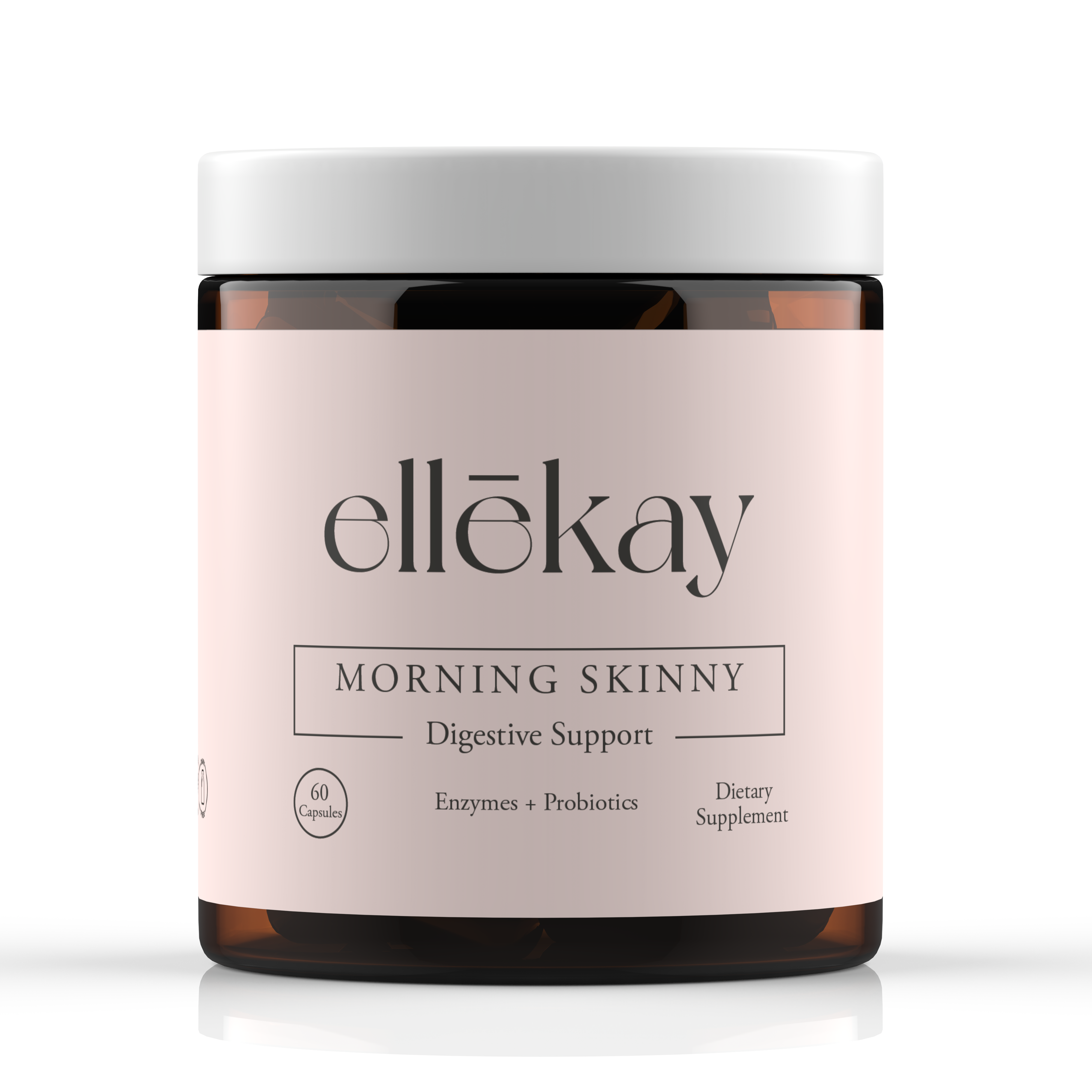
The 30-day gut reset protocol is a structured, science-backed plan that rebuilds your gut microbiome, eases bloating, and restores digestive health through targeted nutrition and smart supplementation. Most women notice improvements in energy, mood, and bowel movements within the first two weeks. Pair it with the Morning Skinny formula for added gut-debloat support.
By Ellekay Team, Women's Wellness Experts
The human gut microbiome contains an estimated 38 trillion microbial cells, and the composition of those gut bacteria directly influences digestion, immune system strength, mental clarity, and skin quality. When diet, stress, medications, or poor sleep throw that ecosystem out of balance, symptoms like bloating, brain fog, fatigue, and irregular bowel movements often follow.
Modern diets loaded with refined sugars and ultra-processed foods strip microbial diversity at an alarming rate. Research by Sonnenburg and Gardner published in Cell (2021) showed that a high-fiber, diverse diet increased gut microbiome diversity and measurably reduced inflammation markers within ten weeks. This finding supports the core logic of any structured gut reset: the microbiome responds rapidly to dietary input.
The 30-day gut reset protocol is not a crash cleanse or a restrictive elimination diet. It is a four-phase program that systematically removes inflammatory triggers, repairs the gut barrier, reintroduces beneficial bacteria, and reinforces lasting changes. The program is designed to work with your biology, not against it.
Before starting, it is worth understanding how the gut lining contributes to this process. A thin layer of mucus coats the intestinal wall and acts as the first line of defense between gut bacteria and the rest of the body, keeping that barrier intact. When the seal weakens, the inflammatory cascade described above becomes far more likely to take hold, which is why maintaining its integrity is essential to any gut repair program.
Week 1: Remove the Triggers
The first seven days focus on clearing the dietary inputs that feed harmful gut bacteria, drive inflammation, and impair bowel movements.
Remove these immediately:
- Refined sugars and high-fructose corn syrup
- Ultra-processed packaged snacks and fast food
- Alcohol
- Artificial sweeteners (a study by Suez et al. in Nature, 2014, found that saccharin altered gut microbiota composition and impaired glucose tolerance in both mice and some humans)
- Gluten-containing grains if you have known sensitivity or notice them worsening symptoms
Add these from day one:
Whole grains like oats, quinoa, and brown rice should replace refined carbohydrates right away. They deliver prebiotic fiber that selectively feeds beneficial bacteria. Switch your primary cooking fat to olive oil. A meta-analysis by Schwingshackl et al. in Advances in Nutrition (2017) found that olive oil consumption was associated with higher counts of Lactobacillus and Bifidobacterium in the gut microbiome, the same bacteria linked to reduced bloating and better digestion.
Drink 2 to 2.5 liters of water daily to support regular bowel movements and help the body clear inflammatory metabolic waste as the gut begins to rebalance.
Mild detox-like symptoms during week one, including temporary bloating or changes in stool frequency, are common. These typically resolve by day five to seven as the gut bacteria composition begins to shift.
Week 2: Repair and Feed the Gut Lining
Week two shifts focus from removal to active repair. The gut barrier needs specific nutrients to restore the tight junctions between intestinal cells and reduce the systemic inflammation that comes from a compromised lining.
Foods That Support Repair
Foods like bone broth, cooked leafy greens, sweet potato, and fatty fish provide collagen precursors, zinc, and omega-3 fatty acids that directly support intestinal cell turnover. When gut barrier integrity is compromised, undigested particles can enter the bloodstream and trigger low-grade immune responses throughout the body.
Fermented foods enter the protocol this week. A landmark clinical trial by Wastyk et al. in Cell (2021) found that adults who followed a high-fermented-food diet for ten weeks showed significantly increased microbiome diversity and lower concentrations of 19 inflammatory proteins compared to a high-fiber group. Foods like yogurt, kefir, kimchi, sauerkraut, miso, and kombucha deliver live cultures that begin replenishing beneficial gut bacteria and rebuilding a healthy gut environment.
When to Add a Probiotic Supplement
Whole food sources of live cultures should anchor this phase, but a targeted probiotic supplement can accelerate the reinoculation process. The right balance between the two comes down to your symptoms, budget, and how consistently you can prepare fermented foods, a comparison explored further in probiotic foods vs supplements.
For a supplement designed to complement a gut health protocol like this one, Ellekay's Morning Skinny includes a targeted blend chosen for digestive support and debloating.
Week 3: Reinoculate and Diversify
Microbial diversity is the clearest indicator of a healthy gut. Stanford researcher Justin Sonnenburg and his collaborators have consistently found that individuals with higher gut microbiome diversity show stronger immune system function, better mood regulation, and lower rates of inflammatory disease.
This week, deliberately expand the range of plant foods on your plate. Research from the American Gut Project found that people who ate 30 or more different plant species per week had meaningfully more diverse gut bacteria than those who ate fewer than ten. Herbs, spices, seeds, nuts, and legumes all count toward that number, making the goal far more accessible than it sounds.

Sleep and the Gut-Brain Axis
Sleep and gut health operate on a feedback loop. Poor sleep shifts gut bacteria toward pro-inflammatory species, while gut bacteria themselves produce neurotransmitter precursors, including serotonin and GABA, that regulate sleep quality and mood. Prioritizing seven to nine hours of sleep during week three amplifies the dietary changes already in motion.
Brain fog and mood instability during microbial imbalance are often downstream effects of disrupted gut-brain communication. The gut produces roughly 90 percent of the body's serotonin, which means that restoring gut bacteria diversity has measurable effects on mental well-being.
Week 4: Sustain and Reinforce
The final week of the 30-day gut reset protocol is about converting short-term changes into permanent habits. The gut microbiome is remarkably adaptable, but it also reverts quickly when the inputs that shaped it disappear.
Three Non-Negotiable Daily Habits
1. Eat prebiotic fiber every day. Whole grains, garlic, onions, leeks, asparagus, and green bananas are consistent food sources. Aim for 25 to 38 grams of total fiber daily. This is the single most impactful long-term habit for sustaining a healthy gut microbiome.
2. Include fermented foods at least four times per week. Consistency matters more than quantity. A small serving of kefir, kimchi, or plain yogurt each session keeps microbial populations reinforced with beneficial strains and supports ongoing gut bacteria diversity.
3. Default to olive oil. Its polyphenols selectively encourage beneficial gut bacteria while suppressing pathogenic species. Swap seed oils for olive oil in salads, dressings, and low-heat cooking to maintain the metabolic gains from earlier weeks.
Tracking Your Progress
By day 28 to 30, the markers of a successful reset show up across multiple body systems. Look for more regular and comfortable bowel movements, significantly reduced post-meal bloating, improved sustained energy, clearer skin, better sleep quality, and a more stable mood throughout the day.
Nutrient absorption also improves as the gut lining repairs and microbial diversity grows. Vitamins and minerals from food become more bioavailable, which compounds the energy and cognitive improvements that many women on this program report in the final week.
For those who want to quantify what has changed, at-home and clinical testing can reveal shifts in bacterial diversity that a food diary alone cannot capture. Whether that kind of testing is worth it after a 30-day reset comes down to your goals and budget, something we cover in gut microbiome testing.
The connection between microbial diversity and metabolic outcomes extends well beyond digestion. Certain strains of gut bacteria have been shown to influence insulin sensitivity and blood sugar regulation, which is especially relevant if you noticed energy changes during the reset.
Frequently Asked Questions
How long does it take to feel a difference on the 30-day gut reset protocol?
Most women notice reduced bloating and more consistent bowel movements within the first seven to ten days. Energy and mood improvements typically follow in week two as gut bacteria populations shift toward more beneficial species. Full microbiome rebalancing takes the complete thirty days, and research suggests the benefits of dietary changes persist for weeks to months when new habits are maintained.
Can I do the 30-day gut reset while taking antibiotics?
It is best to wait until after finishing a course of antibiotics before starting the full protocol. Antibiotics broadly reduce gut bacteria populations, including beneficial strains. After completing antibiotics, a fermented-food-rich diet and a targeted probiotic can help speed gut microbiome recovery, and that is exactly when the reset program delivers the most benefit.
Are there specific gut health supplements recommended during this protocol?
Fermented foods, prebiotic fiber, and olive oil form the food foundation. A quality probiotic with multi-strain, clinically studied formulas at a minimum of one billion CFU supports reinoculation in weeks two and three. A gut-focused supplement that addresses bloating and digestive support can further complement the dietary changes during this period.
Will the 30-day gut reset protocol help with bloating?
Yes. Bloating is driven by microbial imbalance, impaired digestive motility, and gut inflammation. Removing inflammatory foods in week one while rebuilding gut bacteria diversity across all four weeks addresses multiple root causes simultaneously. Most women in this program report noticeable bloating reduction by the end of week two.
Is the 30-day gut reset safe during pregnancy or breastfeeding?
Any significant dietary protocol should be reviewed with a healthcare provider during pregnancy or breastfeeding. Many of the food-based recommendations, including adding fermented foods, whole grains, and olive oil, are broadly supportive of maternal gut health. Individual needs vary, so personalized guidance from your provider matters most here.
Start Your Gut Reset With Personalized Support
If you want guidance on supplementing the 30-day gut reset protocol or choosing products aligned with your specific digestive goals, contact the Ellekay team and we will help you build a plan that fits where you are right now.