Why Probiotics Alone Are Not Enough for Gut Health
By Ellekay Team, Women's Wellness Experts · March 16, 2026 · 9 min read
Probiotics have gained significant attention for their potential to enhance gut health, but relying solely on them may not yield the desired results. This article delves into the limitations of probiotics and emphasizes the importance of a comprehensive approach to gut health. Readers will learn about the role of probiotics, why they sometimes fall short, and how digestive enzymes can complement their effects. Additionally, we will explore the benefits of combining probiotics with digestive enzymes, highlighting the Morning Skinny supplement from ellēkay as a holistic solution for digestive wellness. By understanding these concepts, individuals can make informed decisions about their gut health strategies.
What Are Probiotics and Why Might They Sometimes Fall Short?
Probiotics are live microorganisms that provide health benefits when consumed in adequate amounts, primarily by supporting the gut microbiome. They work by enhancing the balance of beneficial bacteria in the digestive system, which can improve digestion and bolster the immune response. However, probiotics may sometimes fall short due to individual variability in gut microbiomes, dietary factors, and the specific strains used in supplements. Not all probiotics are created equal, and their effectiveness can vary significantly from person to person.
How Do Probiotics Support Your Gut Microbiome?
Probiotics support the gut microbiome by introducing beneficial bacteria that can outcompete harmful pathogens, thereby promoting a healthier digestive environment. They help maintain microbial balance, which is crucial for optimal digestion and immune function. By enhancing the diversity of gut bacteria, probiotics can also improve nutrient absorption and reduce inflammation, contributing to overall gut health.
Why Do Probiotics Fail to Deliver Expected Benefits?
Despite their potential, probiotics may fail to deliver expected benefits for several reasons. Individual differences in gut microbiome composition can affect how well probiotics colonize and function. Additionally, factors such as diet, lifestyle, and the presence of underlying health conditions can influence probiotic efficacy. Some individuals may experience side effects, such as bloating or gas, which can deter them from continuing probiotic use. Understanding these limitations is essential for setting realistic expectations regarding probiotic supplementation.
What Role Do Digestive Enzymes Play in Supporting Gut Health?
Digestive enzymes play a crucial role in breaking down food into smaller, absorbable components, facilitating nutrient absorption. They are produced naturally by the body but can also be supplemented to enhance digestive function. By aiding in the breakdown of carbohydrates, proteins, and fats, digestive enzymes can alleviate symptoms of digestive discomfort, such as bloating and gas, and improve overall gut health.
How Do Digestive Enzymes Help Break Down Food?
Digestive enzymes are specialized proteins that catalyze the breakdown of food substances. There are several types of digestive enzymes, including amylases for carbohydrates, proteases for proteins, and lipases for fats. Each enzyme targets specific food components, ensuring that nutrients are efficiently absorbed in the intestines. This process is vital for maintaining energy levels and overall health, as undigested food can lead to discomfort and nutrient deficiencies.
What Are the Key Benefits of Digestive Enzymes for Your Gut?
Digestive enzymes offer several key benefits for gut health:
Improved Digestion: They enhance the breakdown of food, making nutrients more accessible for absorption.
Reduction of Bloating and Gas: By facilitating proper digestion, enzymes can minimize uncomfortable symptoms associated with undigested food.
Support for Nutrient Absorption: Efficient digestion leads to better absorption of vitamins and minerals, promoting overall health.
These benefits highlight the importance of digestive enzymes in a comprehensive gut health strategy.
How Do Probiotics and Digestive Enzymes Work Together for Better Gut Health?
Probiotics and digestive enzymes can work synergistically to enhance gut health. While probiotics introduce beneficial bacteria, digestive enzymes ensure that food is adequately broken down, allowing these bacteria to thrive. This complementary relationship can lead to improved digestive comfort and overall wellness. By addressing both the microbial and enzymatic aspects of digestion, individuals can achieve a more balanced and effective approach to gut health.
What Is the Synergy Between Probiotics and Enzymes?
The synergy between probiotics and enzymes lies in their complementary functions. Probiotics help maintain a healthy balance of gut bacteria, while digestive enzymes facilitate the breakdown of food, creating an optimal environment for these beneficial microorganisms. This interaction can enhance the effectiveness of both probiotics and enzymes, leading to improved digestive health and comfort.
Research further supports the idea that probiotics and enzymes work together to regulate the gut microbiome.
Probiotic-Enzyme Synergy for Microbiome Regulation
the synergistic effects of probiotics and enzymes. Co-fermentation of probiotics and enzyme was associated not only with probiotic–enzyme synergy but also variations in dominant.
Probiotic–enzyme synergy regulates fermentation of distiller's grains by modifying microbiome structures and symbiotic relationships, 2025
Can Taking Probiotics and Enzymes Together Improve Digestive Comfort?
Yes, taking probiotics and enzymes together can significantly improve digestive comfort. This combination can help reduce symptoms such as bloating, gas, and discomfort by ensuring that food is properly digested and that beneficial bacteria can flourish. Many individuals report enhanced digestive comfort when using both types of supplements, making it a valuable strategy for those experiencing digestive issues.
Studies have explored the combined impact of probiotics and enzymes on various aspects of digestive activity and overall health.
Probiotics & Enzymes: Combined Impact on Digestive Activity
The present study investigated the effect ofBacillus subtilisDSM 29784 (Ba) and enzymes (xylanase andβ-glucanases; Enz), alone or in combination (BE) as antibiotic replacements, on the growth performance, digestive enzyme activity, immune response and the intestinal barrier of broiler chickens.
… subtilis DSM 29784 and enzymes, alone or in combination, as alternatives for antibiotics to improve growth performance, digestive enzyme activity, anti-oxidative …, 2021
What Signs Indicate That Probiotics Alone Aren't Enough for You?
Several signs may indicate that probiotics alone are insufficient for your gut health needs:
Persistent Bloating: If bloating continues despite probiotic use, it may signal the need for additional digestive support.
Digestive Discomfort: Ongoing discomfort after meals can indicate that food is not being adequately digested.
Food Intolerances: Difficulty digesting certain foods may suggest a lack of necessary digestive enzymes.
Recognizing these signs can help individuals determine when to consider additional support for their gut health.
Specifically, the combination of probiotics and enzymes has shown promise in addressing particular digestive challenges like lactase deficiency.
Combined Probiotic and Lactase for Lactase Deficiency
To study the effectiveness of the combined probiotic Bifiform and the enzyme lactase in the treatment of secondary lactase deficiency (SLD).
The role of a combined probiotic in the treatment of lactase deficiency, NA Fadeeva, 2021
How Can You Tell If Your Probiotics Aren't Working?
To assess whether probiotics are effective, individuals should monitor their digestive health. Signs of probiotic failure may include:
Lack of Improvement: If symptoms persist or worsen after several weeks of use, probiotics may not be working.
New Symptoms: The emergence of new digestive issues could indicate that the chosen probiotic strain is not suitable.
Inconsistent Results: Fluctuating digestive health can suggest that the probiotic is not consistently effective.
Monitoring these factors can help individuals make informed decisions about their probiotic use.
When Should You Consider Adding Digestive Enzymes?
Adding digestive enzymes may be beneficial in the following situations:
Signs of Enzyme Deficiency: Symptoms such as bloating, gas, or indigestion may indicate a need for additional enzymes.
Dietary Changes: If you have recently altered your diet, enzymes can help your body adapt to new foods.
Aging: As we age, natural enzyme production may decline, making supplementation more necessary.
Consulting with a healthcare provider can help determine the right timing for enzyme supplementation.
How Does the Morning Skinny Supplement Address Gut Health More Completely?
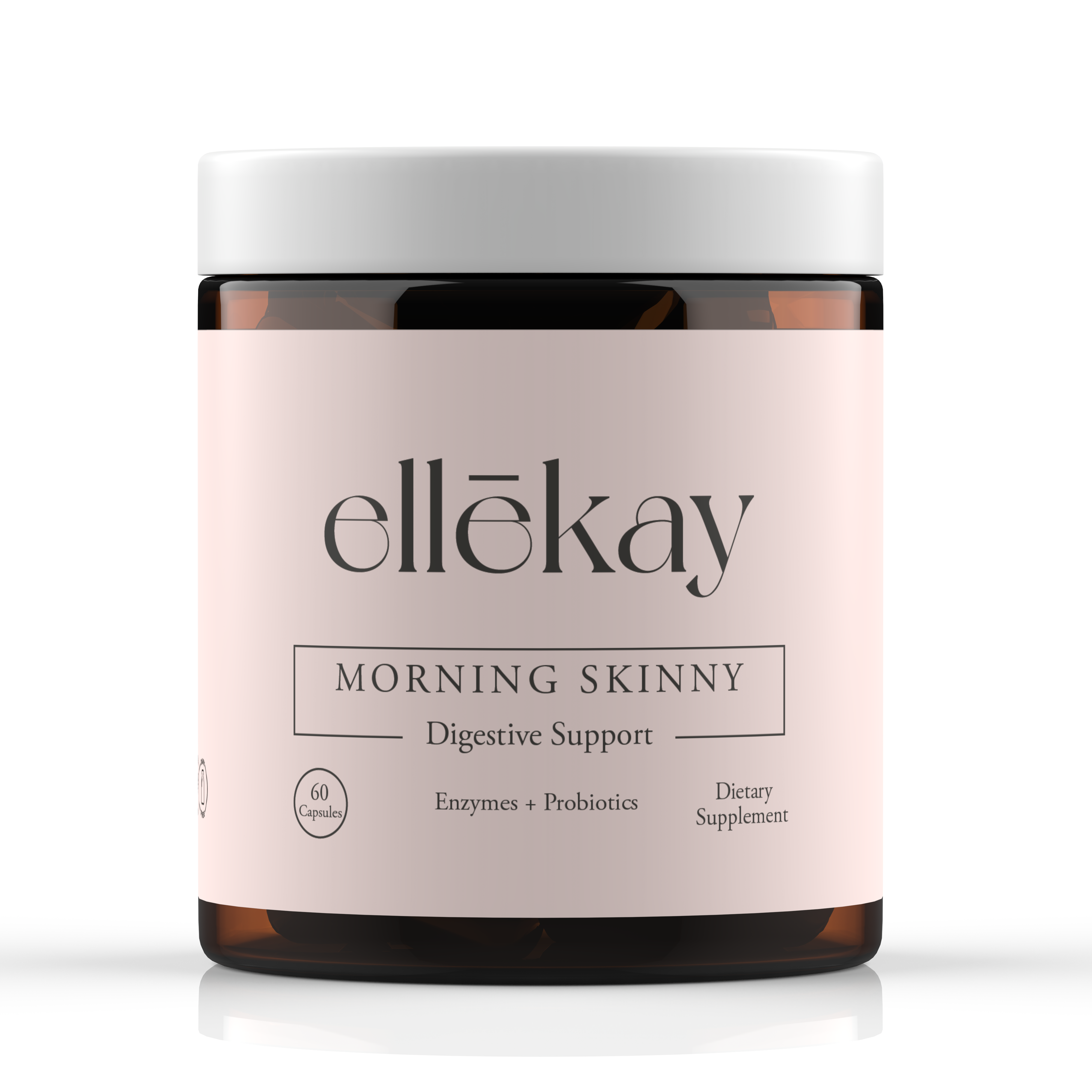
The Morning Skinny supplement from ellēkay is designed to provide a comprehensive approach to gut health by combining probiotics with digestive enzymes and other natural ingredients. This formulation addresses digestive discomfort and supports overall wellness, making it a valuable addition to any gut health regimen. By integrating both probiotics and enzymes, Morning Skinny offers a more complete solution for those seeking to enhance their digestive health.
What Ingredients Make Morning Skinny a Complete Gut Health Supplement?
Morning Skinny contains a blend of key ingredients that work synergistically to support gut health:
Probiotics: Specific strains that promote a healthy gut microbiome.
Digestive Enzymes: Enzymes that aid in the breakdown of food for better nutrient absorption.
Natural Ingredients: Additional components that support digestive wellness and overall health.
This combination ensures that users receive a well-rounded approach to gut health.
How Does Morning Skinny Help With Digestive Discomfort and Weight Management?
Morning Skinny helps alleviate digestive discomfort by ensuring that food is properly digested and nutrients are absorbed efficiently. The inclusion of digestive enzymes reduces bloating and gas, while probiotics support a balanced gut microbiome. Additionally, this supplement may aid in weight management by promoting healthy digestion and nutrient absorption, which are crucial for maintaining a healthy metabolism.
Where Can You Find Reliable Gut Health Supplements With Enzymes?
When searching for reliable gut health supplements, consider the following criteria:
Transparency: Look for brands that provide clear information about their ingredients and sourcing.
Quality Assurance: Choose products that undergo third-party testing for potency and purity.
Reputation: Research customer reviews and brand reputation to ensure you are selecting a trusted product.
These factors can help guide your decision when selecting gut health supplements.
What Should You Look For in a Complete Gut Health Supplement?
When evaluating gut health supplements, consider the following criteria:
Strain Information: Ensure the product lists specific probiotic strains and their benefits.
Potency and Extraction Methods: Look for supplements that specify the potency of probiotics and enzymes.
Third-Party Certifications: Choose products that have been certified by reputable organizations for quality assurance.
These criteria can help you select a complete gut health supplement that meets your needs.
How to Use Morning Skinny for Best Results?
To achieve the best results with Morning Skinny, follow these guidelines:
Dosage Recommendations: Adhere to the recommended dosage on the product label for optimal benefits.
Timing for Best Results: Take the supplement at the same time each day to establish a routine.
Complementary Dietary Practices: Pair the supplement with a balanced diet rich in fiber and nutrients to support gut health.
By following these practices, users can maximize the benefits of Morning Skinny for their digestive health.
To further support your gut health journey, consider exploring ellēkay's range of products designed to promote digestive wellness.
Reading about gut comfort is good. Feeling it is better.
Morning Skinny puts everything above into one ritual: two capsules with water after your largest meal, so that light, comfortable feeling stays with you.
1536+ reviews
Akkermansia
The clinically studied keystone strain your gut lining loves, over 3 billion TFU per serving.
9 enzymes
A 136mg digestive blend that helps break down your largest meal while you get on with your day.
4 botanicals
Calming, dosed herbs so you get up from the table comfortable, not heavy.