TL;DR: Upper stomach bloating and lower stomach bloating have different causes, and treating the wrong zone rarely helps. Upper abdominal bloating usually traces to early digestion, swallowed air, or high-fat foods. Lower stomach bloating more often points to the intestines, constipation, or hormonal shifts. Pinpointing which type you have is the first step to actually reducing it.
Feeling bloated is one thing. Knowing where that bloating lives in your abdomen, and why it is there, is what gets you to a real fix. Upper stomach bloating and lower stomach bloating have distinct causes, and what works for one may not work for the other.
What Upper Stomach Bloating Tells You About Your Digestion
When your upper abdomen feels tight, full, or distended after eating, it usually reflects something happening in the stomach or the early part of the digestive tract. The upper portion of the abdomen houses the stomach, duodenum, liver, and pancreas. Discomfort or swelling in this zone often points to how your body processes food in the first stages of digestion.
Upper stomach bloating tends to feel like pressure just below the ribcage. You might notice it most after meals, especially large ones, or after eating fat-rich or spicy foods. The sensation can range from mild fullness to sharp abdominal discomfort.
Common reasons you feel bloated in the upper abdomen include:
Swallowed air: Eating too fast is one of the most underappreciated causes of upper abdominal bloating. When you rush through meals, you swallow air along with your food. Slowing down and chewing thoroughly can make an immediate difference in how you feel.
Carbonated drinks: The air bubbles in sparkling water and soda accumulate in the upper stomach and cause bloating until the gas releases.
High-fat foods: Dietary fat slows gastric emptying, meaning food sits in the stomach longer. Research published in the journal Gut has linked delayed gastric emptying to upper abdominal bloating and discomfort.
Acid reflux: When stomach acid moves upward, it can create a bloated, burning feeling in the upper abdomen.
Functional dyspepsia: This condition causes chronic upper abdominal pain and fullness without a clear structural cause. Dr. Nicholas Talley, a gastroenterologist whose research appears in The American Journal of Gastroenterology (2016), has written extensively on the gut-brain connection in functional dyspepsia and why some women feel pain even when no structural issue is present.
What Lower Stomach Bloating Is Telling You
Lower stomach bloating, felt in the area below the navel, typically originates further down the digestive tract. The lower abdomen houses the small and large intestines. When gas accumulates or stool builds up in the bowel, you feel it below the belt.
Lower abdominal bloating often builds gradually throughout the day and peaks by evening. It may be accompanied by cramping, a feeling of heaviness, or changes in bowel habits.
Common causes of lower stomach bloating include:
Constipation: When bowel movements slow down, stool sits in the colon and ferments, producing gas that causes bloating in the lower abdomen.
Irritable bowel syndrome: Irritable bowel syndrome (IBS) is one of the most common conditions linked to lower stomach bloating. Research by Dr. Robin Spiller, published in Gut (2007), identified visceral hypersensitivity in irritable bowel syndrome, meaning the gut perceives normal gas levels as painful. Irritable bowel conditions affect millions of women and frequently cause bloating, cramping, and irregular bowel habits.
FODMAP foods: Fermentable carbohydrates in certain foods, including onions, garlic, beans, and wheat, feed gut bacteria and produce gas deeper in the intestines.
Hormonal fluctuations: Progesterone rises in the second half of the menstrual cycle and slows intestinal motility. This is why many women feel bloated in the lower abdomen in the days leading up to their period.
Small intestinal bacterial overgrowth (SIBO): When bacteria that normally live in the colon migrate upward, fermentation happens too early in digestion. SIBO can cause symptoms bloating in both the upper and lower abdomen, along with gas and abdominal discomfort.

How to Tell Which Type of Bloating You Have
Location is your first clue. Press gently on your abdomen and notice where the tightness or discomfort is most concentrated.
Upper abdominal bloating signs:
- Feels worse right after eating
- Pressure just below the ribcage
- Accompanied by nausea or acid reflux
- Reduces when you belch
Lower abdominal bloating signs:
- Builds throughout the day
- Pants feel tight by evening
- Accompanied by cramping or urgency to use the bathroom
- Improves after a bowel movement or passing gas
Timing matters too. Upper stomach bloating typically peaks within 30 to 60 minutes of eating. Lower stomach bloating often takes hours to develop and may build over several days if constipation is a contributing factor.
How to Reduce Upper Stomach Bloating
Reducing upper abdominal bloating involves slowing down at meals, adjusting fat intake, and supporting early-stage digestive function.
- Eat slowly and chew each bite thoroughly. This reduces the air you swallow and helps your digestive system process fat and protein more efficiently.
- Avoid carbonated beverages with meals.
- Reduce high-fat meals if those foods consistently cause bloating in your upper abdomen.
- Consider digestive enzyme support. Enzymes like amylase, lipase, and protease help break down carbohydrates, fat, and protein so they move through the stomach more efficiently, reducing the window for fermentation and gas buildup.
- Stay upright for 30 minutes after eating to support normal digestive motility.
If upper abdominal pain is severe, persistent, or accompanied by blood in your stool, seek medical evaluation. These symptoms can signal conditions that require proper treatment beyond lifestyle changes.
How to Reduce Lower Stomach Bloating
Lower stomach bloating responds well to approaches that support bowel regularity and gut flora balance.
- Increase soluble fiber gradually. Sudden increases in fiber can temporarily worsen bloating before things improve.
- Identify and reduce high-FODMAP foods for a trial period. Many women with irritable bowel conditions find real relief by temporarily removing fermentable foods.
- Stay hydrated. Water is essential for regular bowel movements, and constipation is one of the top triggers for lower abdominal bloating and discomfort.
- Move your body daily. Even a 20-minute walk helps stimulate intestinal motility and reduce gas buildup in the lower abdomen.
- Support your gut microbiome with a consistent probiotic routine. Research by Dr. Eamonn Quigley, published in Clinical Gastroenterology and Hepatology (2019), found that specific probiotic strains can reduce bloating in women with functional digestive conditions.
Stress management plays a real role here too. The gut-brain axis means that anxiety and elevated cortisol can slow bowel motility and make lower stomach bloating worse during stressful periods.
When Stomach Bloating Needs a Doctor
Most stomach bloating is functional, meaning it stems from diet, lifestyle, or gut flora imbalances rather than a structural health problem. But certain symptoms warrant professional evaluation and treatment.
Speak with a healthcare provider if you experience:
- Severe or sudden abdominal pain
- Unexplained weight loss alongside bloating
- Blood in your stool
- Bloating that does not reduce with dietary changes after several weeks
- Symptoms that suggest a bowel obstruction (inability to pass gas or stool, severe abdominal distension)
Conditions like irritable bowel syndrome, SIBO, celiac disease, and inflammatory bowel disease can all cause chronic bloating and require proper diagnosis and treatment. Persistent bloating that disrupts daily life deserves real attention, not just tolerance.
Frequently Asked Questions
Can you have both upper and lower stomach bloating at the same time?
Yes. Some conditions, including SIBO and irritable bowel syndrome, can cause bloating throughout the entire abdomen. Meals that combine high-fat foods with fermentable carbohydrates can trigger discomfort in both the upper and lower abdomen at the same time, since they affect multiple stages of digestion simultaneously.
Is upper stomach bloating connected to weight or weight loss?
Bloating is gas or fluid accumulation, not fat. However, chronic upper abdominal bloating can affect eating habits and how you feel in your body, which may factor into weight management over time. If you are experiencing ongoing upper abdominal bloating alongside unexplained weight changes, discussing it with a healthcare provider is a good step.
Why does bloating feel worse in the evening?
Lower stomach bloating tends to build throughout the day as meals are digested and gas accumulates in the bowel. Foods eaten during the day ferment progressively in the intestines, so by evening the abdomen often feels fuller and more distended. Constipation and hormonal shifts can both amplify this pattern.
Can a daily digestive supplement help reduce stomach bloating?
Digestive health supplements that include probiotics, digestive enzymes, or gut-supporting botanicals may help support regularity and reduce everyday bloating. Effectiveness depends on the root cause of your bloating and the specific ingredients. Look for products formulated with women's digestive health in mind and backed by transparent sourcing.
What foods most commonly cause bloating in women?
Foods high in FODMAPs, including onions, garlic, beans, and wheat, are among the most common causes of lower stomach bloating. High-fat foods, dairy, cruciferous vegetables, and carbonated drinks frequently trigger upper abdominal bloating. Keeping a brief food journal for one to two weeks can reveal your personal trigger patterns.
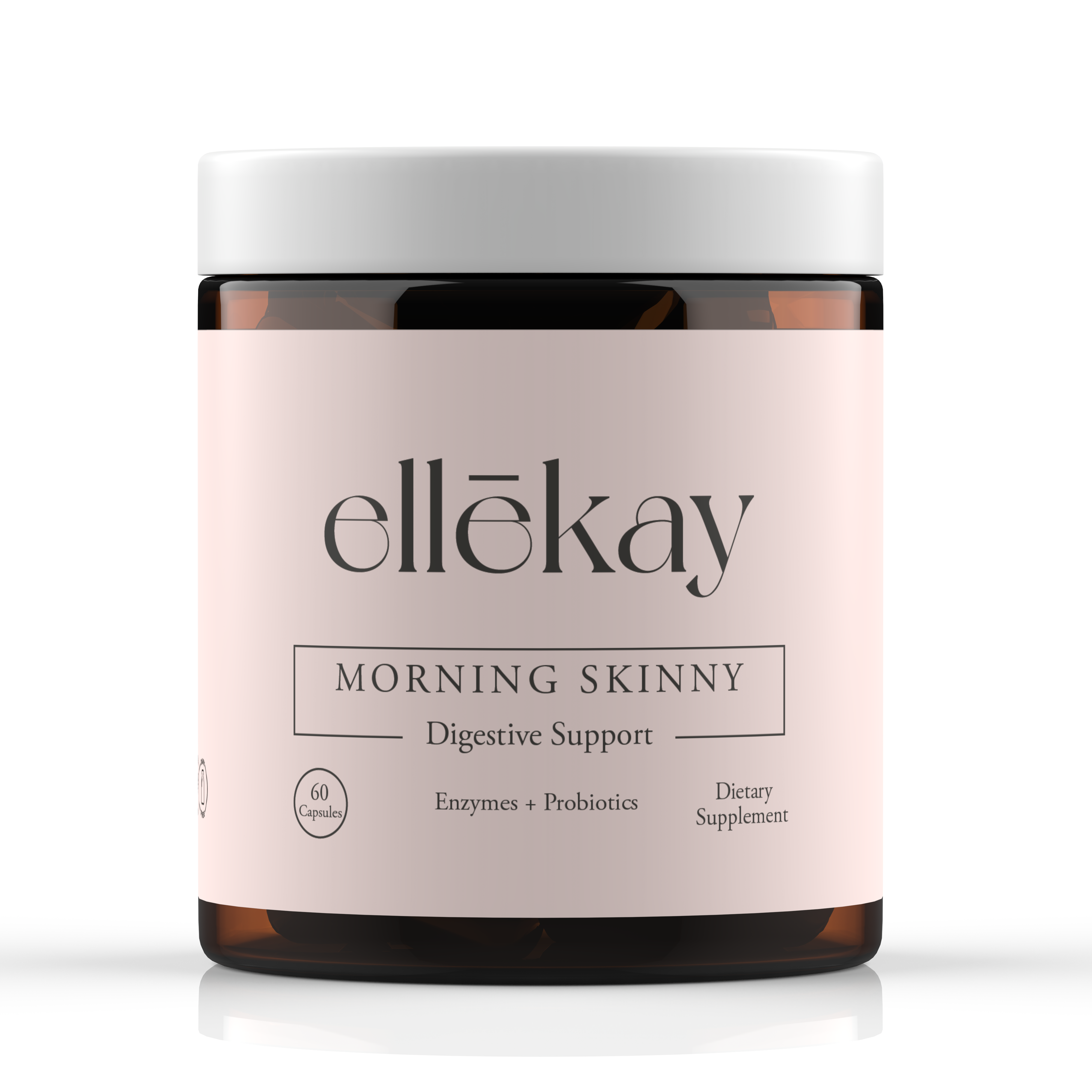
Supporting your digestive health consistently is one of the most impactful things you can do to feel comfortable in your body every day. Morning Skinny was formulated to support women's gut wellness and help reduce everyday bloating from the inside out. Questions about whether it is right for you? Reach out to the Ellekay team anytime.
Related guides