How to Reduce Bloating Naturally: 10 Science-Backed Methods
By Ellekay Team, Women's Wellness Experts · March 12, 2026 · 6 min read
Bloating is a common digestive problem that can feel uncomfortable and frustrating. It can come from what you eat, your daily habits, or underlying health issues. This article walks you through ten science-backed ways to reduce bloating naturally and offers practical strategies you can try. When you understand the causes and fixes, you can take simple steps to improve digestion. We’ll cover natural remedies, diet tweaks, and lifestyle changes that really make a difference. We’ll also explain how supplements like Morning Skinny can support digestive wellness.
Bloating usually feels like fullness or swelling in your belly, often with discomfort or pain. It happens when air or gas builds up in the gastrointestinal tract and causes the abdomen to distend. Common triggers include overeating, gas-producing foods, and imbalances in gut bacteria. Noticing signs like tightness or extra gas helps you manage it. When you know the causes, you can spot triggers and make smarter food choices to reduce bloating.
Which Common Foods and Habits Trigger Bloating?
Some foods and habits are known to cause bloating. Spotting them makes it easier to avoid discomfort. Common culprits include:
High-FODMAP Foods: Foods rich in fermentable oligosaccharides, disaccharides, monosaccharides, and polyols can lead to gas production.
Carbonated Beverages: The bubbles in fizzy drinks can introduce excess air into the digestive system.
Late Meals: Eating large meals close to bedtime can hinder digestion and contribute to bloating.
Being aware of these foods and habits lets you take steps to cut down on bloating episodes.
How Does Your Digestive System React to Bloating?
When bloating happens, your digestive system tries to expel extra gas or fluid. That can cause cramping, discomfort, and changes in bowel habits. Excess gas can also interfere with nutrient absorption over time. Understanding how your body responds helps you see bloating’s impact on overall gut health. By tackling the root causes, you can support a healthier digestive environment.
What Natural Remedies Effectively Reduce Bloating?
A few natural remedies can ease bloating by improving digestion and cutting gas. Some effective methods include:
Increasing Fiber Intake: Consuming fiber-rich foods can promote regular bowel movements and prevent constipation, a common cause of bloating.
Staying Hydrated: Drinking plenty of water helps to flush out excess sodium and reduces water retention, which can contribute to bloating.
Incorporating Probiotics: Probiotic-rich foods, such as yogurt and fermented vegetables, can help balance gut bacteria and improve digestion.
You can easily add these into your daily routine to help manage bloating.
How Do Digestive Enzymes and Probiotics Help Your Gut?
Digestive enzymes break food down so your body can absorb nutrients, which reduces the chance of gas from undigested food. Probiotics help keep your gut bacteria balanced, which often eases bloating. Including both—through foods or supplements—can improve digestion and overall gut wellness.
Which Natural Herbs Are Best for Soothing Bloating?
Some herbs have long been used to soothe bloating and support digestion. The most helpful ones include:
Ginger: Known for its anti-inflammatory properties, ginger can help reduce bloating and improve digestion.
Peppermint: This herb relaxes the muscles of the gastrointestinal tract, alleviating discomfort associated with bloating.
Lemon Balm: Often used to relieve digestive issues, lemon balm can help reduce gas and bloating.
Adding these herbs to meals or teas can provide natural relief from bloating.
Which Foods Can Help You Prevent and Relieve Bloating?
Some foods help prevent and ease bloating by supporting healthy digestion. These include:
Fiber-Rich Foods: Foods such as whole grains, fruits, and vegetables support regular bowel movements.
Fermented Foods: Foods like sauerkraut and kimchi contain beneficial probiotics that enhance gut health.
Fresh Fruits and Vegetables: Foods like bananas, cucumbers, and avocados are hydrating and can help reduce bloating.
Eating these foods regularly can support digestion and help reduce bloating.
What Anti-Inflammatory and Gut-Friendly Foods Should You Eat?
Adding anti-inflammatory and gut-friendly foods to your meals can boost digestive health. Good options include:
Healthy Fats: Foods rich in omega-3 fatty acids, such as salmon and walnuts, can help reduce inflammation in the gut.
Prebiotic Foods: Foods like garlic, onions, and asparagus feed beneficial gut bacteria, promoting a healthy microbiome.
Polyphenol-Rich Foods: Foods such as berries and green tea contain antioxidants that support gut health.
These choices help balance your gut and lower the chance of bloating.
How Do Natural Diuretics Support Bloating Relief?
Natural diuretics can help relieve bloating by encouraging the body to eliminate extra fluid. Common natural diuretics include:
Cucumber: High in water content, cucumbers can help flush out excess sodium and reduce bloating.
Dandelion: This herb has diuretic properties that can help reduce water retention.
Green Tea: Known for its antioxidant properties, green tea can also act as a natural diuretic.
Using these foods and drinks regularly can ease bloating and support digestive health.
What Lifestyle Changes Can Prevent Stomach Bloating?
Small lifestyle changes can cut down on bloating. Try these adjustments:
Regular Exercise: Physical activity stimulates digestion and can help prevent bloating.
Stress Management: High stress levels can negatively impact digestion; practicing relaxation techniques can be beneficial.
Consistent Sleep Schedule: Adequate sleep supports overall health and can improve digestive function.
Putting these habits into practice can improve digestion and lower bloating.
How Does Staying Active and Managing Stress Reduce Bloating?
Staying active and managing stress do a lot for your digestion. Exercise helps move food through your digestive tract and reduces gas buildup. Stress can throw digestion off and lead to bloating. Regular activity and stress-reduction techniques, like yoga or meditation, can ease symptoms and support gut health.
What Simple Habits Can You Adopt for Better Digestive Health?
Simple daily habits can boost digestion and cut bloating. Try these practical practices:
Mindful Eating: Paying attention to portion sizes and eating slowly can prevent overeating and reduce gas production.
Limiting Processed Foods: Reducing intake of processed foods can help maintain a healthy gut microbiome.
Staying Hydrated: Drinking enough water throughout the day supports digestion and helps prevent bloating.
Make these habits part of your routine and you'll likely see better digestion and less bloating.
How Can Supplements Like Morning Skinny Support Natural Bloating Relief?
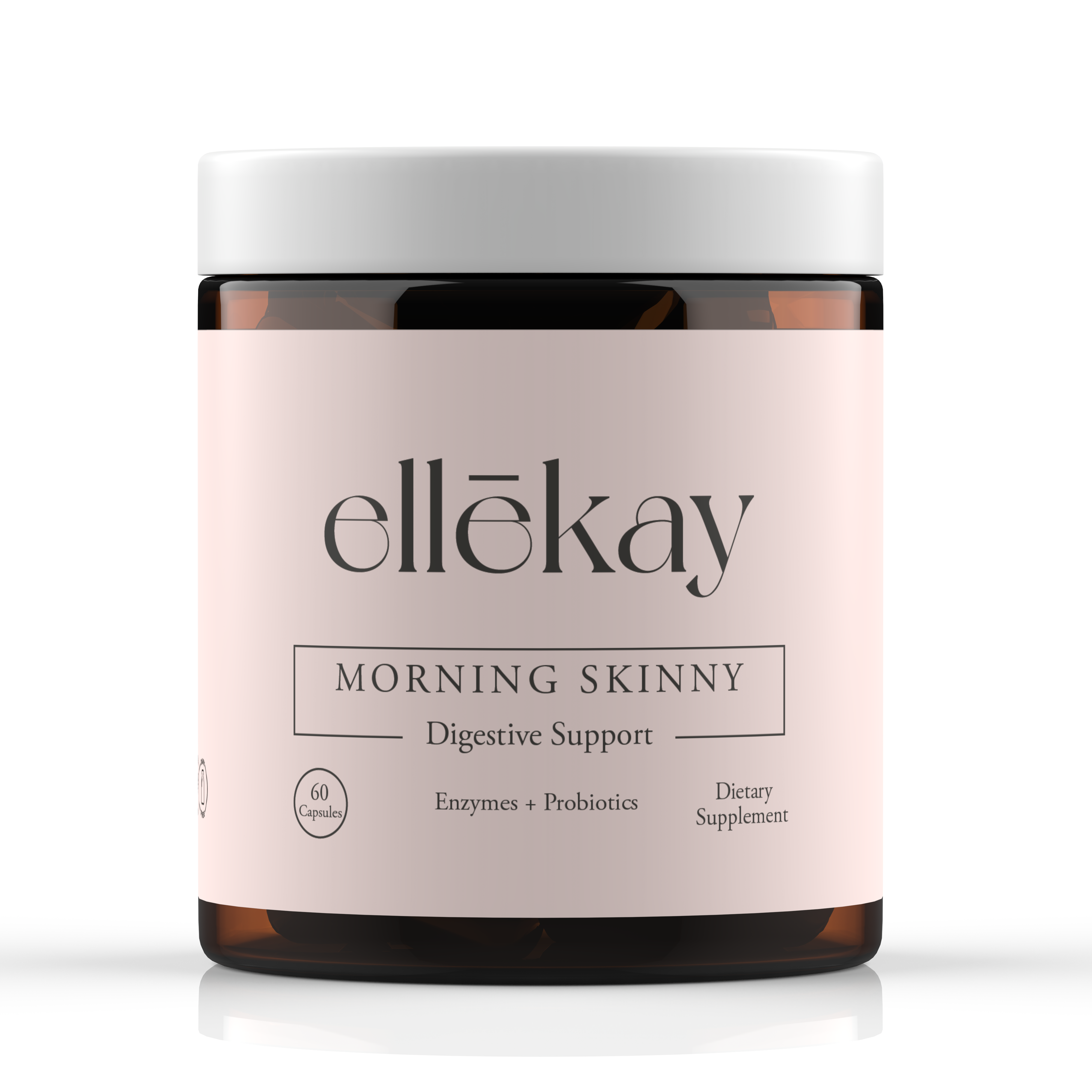
Supplements like Morning Skinny can offer extra support if you're trying to ease bloating naturally. It combines digestive enzymes and probiotics to help digestion and reduce gas. By supporting a balanced gut microbiome, Morning Skinny can help reduce bloating and improve overall digestive health.
What Are the Key Ingredients in Morning Skinny That Aid Digestion?
Morning Skinny includes several key ingredients that support digestive health:
Akkermansia muciniphila: This beneficial bacterium plays a crucial role in maintaining gut health and reducing inflammation.
Eight-Enzyme Blend: This blend aids in the breakdown of food, enhancing nutrient absorption and reducing gas.
Botanical Extracts: Ingredients like ginger and peppermint provide additional digestive support and soothe bloating.
These ingredients work together to create a comprehensive approach to digestive wellness.
How Should You Use Morning Skinny for Best Results?
For best results with Morning Skinny, follow the suggested dosage instructions. Taking the supplement consistently, ideally before meals, can maximize its effectiveness for digestion and bloating. Pairing it with a balanced diet and healthy lifestyle will further support digestive health and overall well-being.
Reading about gut comfort is good. Feeling it is better.
Morning Skinny puts everything above into one ritual: two capsules with water after your largest meal, so that light, comfortable feeling stays with you.
1536+ reviews
Akkermansia
The clinically studied keystone strain your gut lining loves, over 3 billion TFU per serving.
9 enzymes
A 136mg digestive blend that helps break down your largest meal while you get on with your day.
4 botanicals
Calming, dosed herbs so you get up from the table comfortable, not heavy.