TL;DR: Bloating is trapped gas in the digestive tract that typically resolves within a few hours. Water retention is excess fluid stored in body tissues, creating soft puffiness in the hands, legs, and face. Both can occur at the same time, especially during hormonal shifts like menopause. Diet, hydration, and gut health all influence how much each affects your body.
Feeling tight, puffy, or uncomfortable in your body is frustrating, especially when you are not sure what is actually causing it. Bloating and water retention are two of the most common sources of that discomfort, and they are easy to confuse. Knowing which one you are dealing with makes it much easier to find relief that works.
What Actually Separates Bloating from Water Retention
Bloating originates inside the digestive tract. When gas accumulates in the stomach or intestines from food fermentation, swallowed air, or bacterial activity in the gut, the abdomen swells and feels full or distended. This type of discomfort tends to come on after eating and typically eases within a few hours once digestion moves forward.
Water retention is a different issue entirely. It involves excess fluid accumulating in the spaces between cells throughout body tissues, not in the gut. This creates a soft, sometimes tender puffiness that shows up in the face, hands, legs, or ankles. You may notice it most in the morning when you first wake up, or after a long stretch of sitting or standing.
A simple physical test can help you distinguish between them. Press a finger firmly into a swollen area and hold for several seconds. If it leaves a visible dent, that points to fluid stored in the tissues. If the discomfort is concentrated in the abdomen with a gassy, full feeling, bloating is more likely the cause.
What Causes Bloating
Bloating water complaints almost always begin in the gut. The most common triggers include:
- Eating too quickly and swallowing air with each bite
- Introducing high-fiber foods too fast, especially beans, lentils, broccoli, and cabbage
- Food sensitivities, particularly lactose intolerance or reactions to gluten-containing foods
- An imbalanced gut microbiome with excess gas-producing bacteria
- Reduced digestive enzyme output, which tends to become more common as women age
Research published in Alimentary Pharmacology and Therapeutics has found that functional bloating affects between 16 and 30 percent of the general population, with women reporting symptoms more frequently than men. Gut motility and microbial composition were identified as two of the primary factors that increase the likelihood of gas accumulation in the body.
Many women notice that bloating worsens at certain points in the month, often corresponding to hormonal shifts that slow gut motility. Keeping a food journal for a few weeks can reveal clear patterns, especially around high-fermentable foods like onions, garlic, and certain grains.
What Causes Water Retention in the Body
Your body regulates fluid balance through a coordinated system involving the kidneys, hormones, and blood vessel walls. The kidneys play the central role, continuously filtering blood and deciding how much water to retain or release based on hormone signals, primarily aldosterone and antidiuretic hormone.
When this system is disrupted, excess fluid settles into body tissues and creates the characteristic soft swelling. Common causes include:
- High sodium intake, which signals the kidneys to hold onto fluid to maintain mineral balance
- Hormonal fluctuations during the menstrual cycle, perimenopause, or menopause
- Prolonged sitting or standing without movement
- Low protein intake, which reduces the blood's ability to draw fluid out of surrounding tissues
- Certain medications, including some anti-inflammatory and blood pressure drugs
Reducing sodium intake is one of the most direct ways to help reduce water retention. Sodium signals the kidneys to increase fluid retention, so cutting back on processed foods, packaged snacks, and canned goods has a noticeable effect for many women within a day or two. Increasing potassium-rich foods works alongside this, since potassium counteracts sodium's influence on fluid balance in the body and helps the kidneys excrete water more efficiently.
How Menopause Makes Both Worse
Menopause is one of the most significant triggers for both bloating and water retention in women, and it tends to intensify both conditions compared to earlier decades.
As estrogen and progesterone decline during menopause, several things shift at once. The kidneys become more sensitive to sodium, meaning the same sodium intake that felt manageable in your 30s can now increase water retention meaningfully. Gut motility slows as estrogen levels fall, allowing food to spend longer in the digestive tract and more gas to build up. The gut microbiome also changes during menopause, often losing bacterial diversity, which increases fermentation and bloating frequency.
Research in women's hormonal health has consistently documented that water retention and digestive complaints, including bloating, rank among the most commonly reported symptoms during perimenopause and menopause. These are not simply diet problems. They are partly driven by the hormonal shifts themselves.
Many women notice these symptoms feel especially sharp in January and the winter months following the holiday season, when sodium intake tends to be higher, movement decreases, and the body is already adjusting to seasonal changes. If your symptoms follow a clear monthly cycle or have intensified since entering perimenopause, hormones are almost certainly part of the picture.
Addressing gut health and fluid balance together during menopause, rather than treating each separately, tends to produce better and faster results.
Foods and Habits That May Help Reduce Water Retention and Bloating
Diet is one of the most accessible tools for managing both conditions. Here are the strategies with the strongest track record for each:
To help reduce water retention:
- Reduce sodium intake by cooking at home more often and avoiding packaged sauces, canned soups, and processed snack foods with high sodium
- Increase potassium by adding bananas, sweet potatoes, avocados, and leafy greens to daily meals
- Try natural diuretic foods like cucumber, asparagus, dandelion greens, and watermelon, which may help the kidneys flush excess fluid from the body more efficiently
- Stay consistently hydrated throughout the day, since dehydration signals the kidneys to retain more fluid as a protective response and can worsen bloating water retention simultaneously
- Avoid excess refined carbohydrates when possible, as stored glycogen holds water in the body at roughly 3 to 4 grams of fluid per gram of glycogen
To reduce bloating:
- Eat slowly and avoid eating while distracted, which leads to more swallowed air and faster intake than the gut can manage
- Try smaller, more frequent meals to reduce the volume fermenting at one time
- Avoid carbonated drinks around meal times
- Include probiotic-rich foods like yogurt, kefir, and kimchi to support a balanced gut microbiome
- Warm ginger tea and peppermint tea are widely used for digestive comfort and may ease cramping and gas after meals

Both lists share a common thread. Gut health sits at the center of both conditions, and supporting digestive function creates a better foundation for managing gas, fluid balance, and the inflammation that can link the two.
The Gut Health Connection
The gut does far more than break down food. It helps regulate inflammation throughout the body, communicates with the hormonal system, and plays a meaningful role in how well the kidneys manage fluid. When the microbiome is out of balance, increased intestinal permeability may allow inflammatory compounds into the bloodstream, which can affect fluid regulation in tissues well beyond the digestive tract.
Research published in Nutrients (Rinninella et al., 2021) explored connections between gut microbiome composition and metabolic fluid handling, finding that specific bacterial strains influence short-chain fatty acid production, which in turn affects kidney function and fluid balance in the body. Supporting the microbiome may therefore benefit both water retention and bloating, not just one condition in isolation.
For women in menopause, this connection carries extra weight. Hormonal changes during menopause directly alter the microbiome composition, creating a feedback loop where gut imbalance drives more inflammation, which increases fluid retention and worsens bloating at the same time. Understanding this loop helps explain why addressing gut health tends to improve both symptoms together.
Consistent daily habits around digestion, whether through food choices, hydration, movement, or targeted supplementation, give your body more tools to regulate both systems effectively over time.
Frequently Asked Questions
Is bloating the same as water retention?
No. Bloating is trapped gas in the digestive tract, while water retention is excess fluid in body tissues outside the gut. Both create a feeling of fullness and puffiness, but they happen in different systems and respond to different strategies. They often occur together, particularly during hormonal events like menopause or the days before a menstrual cycle, which is why they feel so similar.
Why does water retention get worse during menopause?
During menopause, declining estrogen and progesterone affect the kidneys' sodium sensitivity and their ability to regulate fluid balance efficiently. Gut motility slows, the microbiome shifts, and inflammation may increase. These changes combine to make water retention and bloating more frequent and more noticeable than they were in earlier stages of life, even without significant changes to diet.
How long does water retention typically last?
Retention triggered by a salty meal or long travel often clears within 24 to 48 hours once sodium intake drops, hydration increases, and movement returns. Hormone-related fluid retention tied to the menstrual cycle typically eases naturally within a few days. Persistent swelling in the legs or face that does not respond to lifestyle changes should be reviewed by a healthcare provider.
What foods help reduce water retention and bloating?
For water retention, reduce sodium intake, increase potassium-rich foods, and stay consistently hydrated. For bloating, probiotic foods and reducing high-fermentable carbohydrates are especially helpful. Natural diuretic foods like cucumber, asparagus, and dandelion tea may also support the kidneys in flushing excess fluid. Many of these approaches benefit both conditions at the same time.
Can a daily gut health supplement support both?
Formulas designed to support digestive enzyme activity, microbiome balance, and gut comfort may help reduce both bloating and water retention by addressing shared root causes. Pairing gut support with dietary adjustments, especially during menopause or hormonal transitions, often produces better results than targeting only one factor. Always speak with a healthcare provider before adding new supplements to your routine.
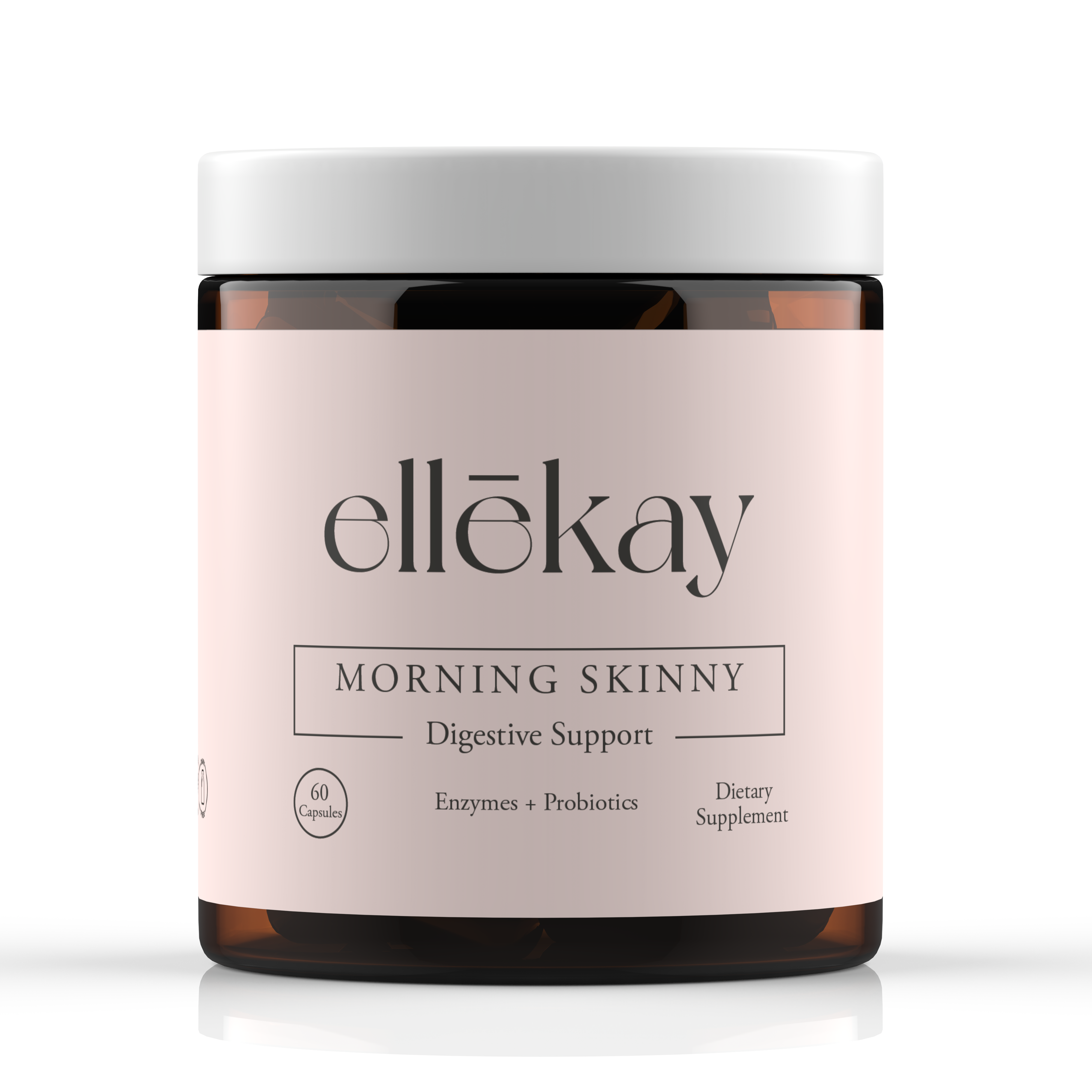
Bloating and water retention are common, manageable, and deeply connected to overall gut and hormonal health. If you have questions or want to learn more about building a daily digestive routine, the Ellekay team is happy to help through the contact page. And if you are ready for a supplement designed specifically to support women's digestive wellness from the inside out, Morning Skinny was created with exactly that in mind.
Related guides