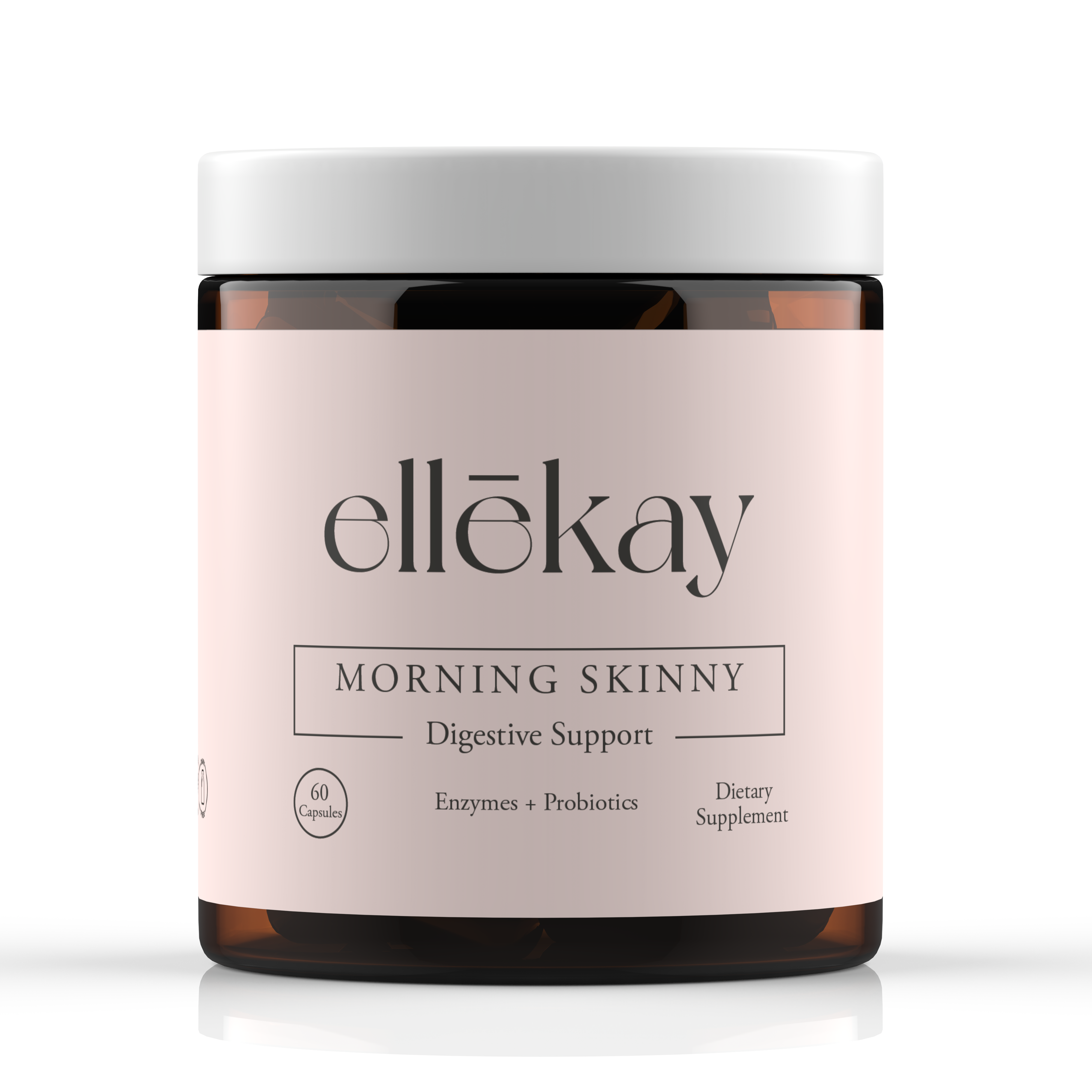
Summer gut health is genuinely affected by rising temperatures, travel disruptions, and shifting routines. Heat slows digestion, dehydration depletes beneficial bacteria, and new food environments challenge your microbiome. If you have noticed bloating, sluggishness, or irregular digestion during warmer months, Ellekay's Morning Skinny was formulated with exactly these gut pressures in mind.
By Ellekay Team, Women's Wellness Experts
Why Summer Heat Slows Your Digestion
Hot weather does more than make you sweat. Your body redirects blood flow toward the skin and extremities during heat stress, pulling circulation away from the digestive tract. A study published in the Journal of Applied Physiology (Kenefick et al., 2010) confirmed that gastrointestinal blood flow decreases significantly during exercise in the heat, leading to slower gastric emptying and reduced enzyme activity.
Even at rest, high ambient temperatures can suppress appetite and slow the rhythmic muscle contractions known as peristalsis that move food through your intestines. The result: food sits longer, ferments more, and produces the bloating and discomfort so many women describe as a "summer stomach." Supporting your digestive health through these seasonal shifts means understanding what your body is already doing on its own.
Dehydration Is the Hidden Gut Disruptor
One of the most underestimated summer gut health threats is chronic mild dehydration. Your gut lining depends on a well-hydrated mucin layer to protect against pathogens and support smooth digestion. When you are consistently dehydrated, that layer thins, intestinal permeability increases, and stool hardens, contributing to constipation and discomfort.
A 2011 review by Popkin, D'Anci, and Rosenberg published in Nutrition Reviews found that even a 2% drop in body water can impair both cognitive and physical performance, with digestive function among the first systems affected. For sustained summer gut health, consistent water intake across the day matters more than any single supplement.
The mucin layer itself deserves attention here too, since this thin mucus barrier is what actually thins first when hydration drops, long before more obvious symptoms show up.
How Travel Disrupts Your Gut Microbiome
Whether you are boarding a plane, road-tripping across states, or hopping time zones, travel puts real stress on your gut bacteria. Three mechanisms are at play.
Circadian disruption. Research by Thaiss et al. (2014) in Cell showed that gut microbiota follow a 24-hour oscillation tied to the host's circadian rhythm. When sleep schedules shift, the microbial population shifts too, creating temporary dysbiosis.
New food environments. Airport food, hotel breakfasts, and restaurant-heavy weeks introduce unfamiliar bacteria and vary your fiber intake dramatically. A drop in dietary fiber, even for a few days, reduces short-chain fatty acid production and can deplete beneficial Lactobacillus and Bifidobacterium species.
Traveler's diarrhea. This is not just inconvenient. According to Hill and colleagues (2006) in the journal Clinical Infectious Diseases, 20 to 50 percent of international travelers experience it, and the resulting inflammation can take weeks to resolve after the pathogen clears.
Maintaining a consistent probiotic routine before and during travel can significantly reduce these effects. Whether that routine leans on fermented foods or probiotic supplements, consistency matters more than which format you choose, especially when travel makes it hard to stick to a normal diet.

Summer Eating Patterns That Backfire
Summer social life often means more alcohol, more processed foods at cookouts, and longer gaps between real meals. Each of these strains the gut in specific ways.
Alcohol increases intestinal permeability, a phenomenon researchers refer to as gut barrier disruption. A 2017 study by Patel and Shah in the World Journal of Gastroenterology found that even moderate alcohol intake alters tight junction proteins in the gut lining within hours of consumption.
Processed, high-fat foods shift the gut's microbial balance toward inflammation-promoting species. Long stretches between meals suppress digestive enzyme output, making it harder to break down food efficiently when you do eat.
Emerging research on postbiotics suggests that supporting the byproducts of bacterial metabolism, not just live bacteria, may offer a protective buffer during these disrupted eating periods.
Practical Strategies for Summer Gut Health
Supporting your gut through summer does not require a complete lifestyle overhaul. These evidence-informed habits make a measurable difference in digestive health across the warmer months.
Hydrate before you are thirsty. Thirst is already a signal of mild dehydration. Aim for consistent sips throughout the day rather than large volumes at once. The National Academies of Sciences (2004) recommends 2.7 liters (91 oz) of total daily water for women, with needs increasing in summer heat.
Prioritize fermented foods. Yogurt, kefir, and kimchi maintain microbial diversity even when your supplement routine slips. Research by Wastyk et al. (2021) in Cell showed that a high-fermented-food diet increased microbiome diversity within 10 weeks.
Keep fiber consistent. Even at barbecues and while traveling, choosing vegetables, legumes, and whole grains keeps your short-chain fatty acid production stable. A sudden fiber drop is one of the fastest ways to create digestive disruption.
Support gut barrier integrity. Akkermansia muciniphila, a keystone gut species, reinforces the mucosal lining and plays a broader role in metabolic balance. Because this bacterium depends on a healthy mucus layer to thrive, the hydration habits already outlined above directly support its population, making consistent gut care through summer as much about protecting your existing microbiome as adding new probiotics.
For a targeted daily ritual that fits a summer schedule, the Morning Skinny formula combines gut-supportive ingredients designed to work alongside your body's natural rhythms, even when those rhythms shift with the season.
Frequently Asked Questions
Why do I bloat more in summer?
Heat slows gastric emptying and peristalsis, meaning food spends more time fermenting in your gut. Dehydration compounds this by hardening stool and reducing the protective mucin layer. Together, these effects create the classic summer bloat: that heavy, distended feeling even after a light meal. Consistent hydration and smaller, more frequent meals help counter both mechanisms.
Is it normal to lose my appetite in the heat?
Yes. When your core temperature rises, your body suppresses appetite as part of a thermoregulatory response, pulling blood flow toward cooling rather than digestion. Eating smaller, more frequent meals and choosing lighter, high-water foods like cucumbers, watermelon, and leafy greens can help you stay nourished without overwhelming a slower digestive system.
Can travel permanently damage my gut microbiome?
Acute travel-related dysbiosis is generally temporary. Most women see their microbiome rebound within two to four weeks of returning to normal eating and sleeping patterns. However, repeated disruptions without recovery support can compound over time. Consistent probiotic intake before, during, and after travel speeds the recovery process.
Does summer affect gut bacteria seasonally?
Research by Davenport and colleagues (2014) published in Science found seasonal variation in gut microbial composition, particularly tied to changes in diet, fiber intake, and circadian light exposure. In Western populations with year-round food access the shifts are smaller, but summer eating patterns, more sugar, less fiber, more alcohol, still register measurably in the microbiome.
What is the best way to prepare my gut before a summer trip?
Start a probiotic routine at least one to two weeks before departure to build microbial resilience. Increase dietary fiber in the days before travel, stay well-hydrated on travel days, and pack gut-supportive supplements so your routine does not depend on destination availability.
Support Your Gut Through Every Summer Adventure
Summer is for living fully, not managing discomfort. With consistent hydration, steady fiber intake, probiotic support, and a daily gut ritual you can take anywhere, your digestive health can stay resilient no matter what the season brings. For personalized guidance on ingredients and finding the right fit for your routine, contact the Ellekay team.