Your gut health shapes more than you might expect, from how you feel after meals to how clearly you think, how your skin looks, and how energized you feel throughout the day. With so many gut supplement options on shelves, understanding what prebiotics, probiotics, and postbiotics actually do gives you the clarity to make confident, informed choices for your wellness routine.
What Are Prebiotics, Probiotics, and Postbiotics?
These three terms describe different but closely related parts of the gut health ecosystem. Think of them as a team: each one plays a distinct role, but they all work toward the same goal of supporting a thriving, balanced gut microbiome.
Prebiotics are non-digestible fibers and compounds that feed the beneficial bacteria already living in your gut. They are not living organisms themselves. Instead, they serve as fuel, encouraging beneficial strains to grow and multiply.
Probiotics are live microorganisms, specifically beneficial bacteria and some yeasts, that you introduce into your digestive system through food or probiotic supplements. When you take them, you are adding helpful bacterial strains directly to your gut.
Postbiotics are the bioactive compounds your gut bacteria produce when they metabolize prebiotic fiber and other nutrients. Short-chain fatty acids, enzymes, vitamins, and peptides are all postbiotics. They are the downstream products of a well-functioning gut.
Understanding the difference between all three helps you see why a complete gut health approach provides more support than relying on just one type of supplement.
Prebiotics: Feeding the Beneficial Bacteria in Your Gut
Prebiotic compounds are found naturally in high-fiber plant foods like garlic, onions, leeks, bananas, and asparagus. When you consume prebiotic fiber, it travels through your small intestine undigested and reaches the large intestine, where your gut bacteria ferment it for energy.
This fermentation process is what allows beneficial bacteria to thrive. Without adequate prebiotic intake, even the most robust probiotic routine can underperform because the strains you are trying to support simply do not have enough fuel.
Research published in the journal Gut by Dr. John Cryan and colleagues highlighted how prebiotic supplementation can increase populations of beneficial bacterial strains like Bifidobacterium and Lactobacillus, which are associated with reduced bloating and better overall digestion.
Common prebiotic fibers include:
-
Inulin: found in chicory root and Jerusalem artichokes
-
FOS (fructooligosaccharides): naturally occurring in many vegetables and fruits
-
GOS (galactooligosaccharides): derived from lactose, often added to supplements
-
Pectin: found in apples and citrus fruits
For women who want to support daily digestive comfort, prebiotic fiber is a foundational piece. It helps maintain a healthy environment where beneficial bacteria can do their best work, which sets the stage for everything else in your gut health routine.
Probiotics: Live Microorganisms That Support Your Gut
Probiotics are living microorganisms that, when consumed in adequate amounts, provide health benefits to the host. This definition comes from the World Health Organization and the Food and Agriculture Organization, and it sets the bar for what qualifies as a true probiotic supplement.
The most well-studied probiotic strains belong to two main genera: Lactobacillus and Bifidobacterium. Different strains within these groups have been studied for specific health benefits:
-
Lactobacillus acidophilus: commonly studied for its role in reducing bloating and supporting immune function
-
Bifidobacterium longum: associated with improved digestion and reduced gut permeability
-
Lactobacillus rhamnosus: one of the most researched strains for digestive comfort in women
A 2019 meta-analysis published in Nutrients found that probiotic supplementation was associated with significant reductions in bloating and digestive discomfort, particularly in women. The beneficial bacteria these supplements introduce help crowd out harmful bacteria and support the integrity of the gut lining.
Probiotic supplements come in many forms, but the key factors to look for are strain specificity, CFU count (colony-forming units), and survivability through the digestive process. Not all probiotic supplements are created equal, and strains that survive to reach the large intestine provide far more benefit than those that break down before they arrive.

Postbiotics: The Compounds Your Gut Bacteria Produce
Postbiotics are a newer area of gut health research, and they are gaining significant scientific attention. These are the bioactive byproducts that your gut microbiome creates when beneficial bacteria ferment prebiotic fibers and other nutrients.
The most important postbiotic compounds include:
Short-chain fatty acids such as butyrate, propionate, and acetate. Butyrate serves as the primary fuel source for the cells lining your colon. Research by Dr. Jens Walter published in Cell Host and Microbe in 2020 found that butyrate production plays a critical role in maintaining gut barrier function and modulating immune responses.
Bacteriocins are antimicrobial peptides that beneficial bacteria produce to inhibit the growth of harmful bacteria, helping maintain a healthy microbial balance in the gut.
Vitamins, particularly certain B vitamins and vitamin K2, are synthesized by gut microorganisms and contribute to broader metabolic and immune health.
Postbiotics are beneficial partly because they are stable compounds. Unlike live probiotic strains, they do not need to survive transit through the digestive tract. Some supplement formulations now include postbiotics directly, which can be especially helpful for women whose gut health has been disrupted by antibiotics or elevated stress levels.
How Prebiotics, Probiotics, and Postbiotics Work Together
The most effective approach to gut health does not rely on just one of these three elements. Prebiotics, probiotics, and postbiotics work as an interconnected system, each one making the others more effective.
When you consume prebiotic fiber, you feed the beneficial bacteria in your gut. Those beneficial bacteria then produce postbiotic compounds like short-chain fatty acids and vitamins. The entire cycle depends on having enough live microorganisms to carry out the fermentation process in the first place.
This is why supplements that combine prebiotics and probiotics, often called synbiotics, can be particularly effective. A 2021 review in Frontiers in Nutrition found that synbiotic supplementation showed superior outcomes for gut microbiome diversity compared to taking either supplement alone.
The health benefits of maintaining this full cycle include:
- Reduced bloating and digestive discomfort throughout the day
- Stronger immune function, since approximately 70% of the immune system is housed in the gut
- Better nutrient absorption and more efficient digestion
- More stable energy levels from morning to evening
- Clearer skin, through the well-documented gut-skin connection
- Improved mood regulation via the gut-brain axis
For women who want to maintain their best health from the inside out, supporting all three elements of this system is the most comprehensive strategy available.
Which Gut Health Supplement Should You Prioritize?
With so many supplements available, knowing which to prioritize comes down to your current gut health and lifestyle goals.
If your diet is low in fiber: Start with prebiotic support. Adding a prebiotic fiber supplement can shift the microbial balance in your gut within a few weeks, building a better foundation for everything else.
If you have recently taken antibiotics: Probiotic supplements are especially relevant here. Antibiotics can disrupt the gut microbiome significantly, and reintroducing beneficial bacteria strains through high-quality probiotic supplements helps restore balance more quickly.
If you want comprehensive daily support: Look for a supplement that combines prebiotic and probiotic ingredients. The best daily digestive supplements provide full ecosystem support rather than addressing just one piece of the puzzle.
What to look for on the label:
- Specific strain names, not just a generic "probiotic blend"
- CFU count listed at time of expiry, not just at manufacture
- Prebiotic fiber clearly listed as an ingredient
- Third-party testing for potency and purity
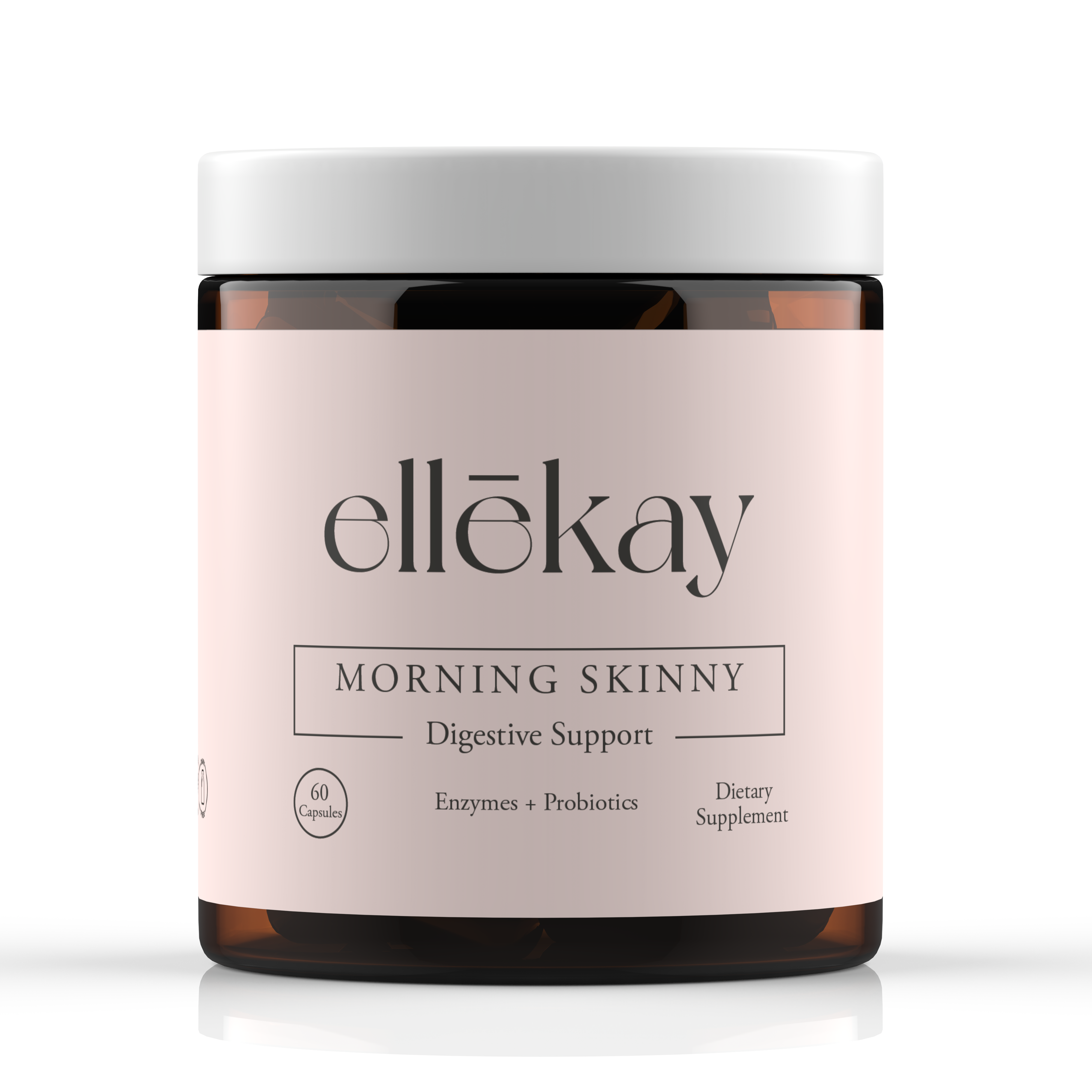
Morning Skinny by Ellekay was designed with this complete approach in mind, supporting daily digestive health and gut wellness so you can feel a real difference in how you start every morning.
Frequently Asked Questions
Can I take prebiotics, probiotics, and postbiotics together?
Yes, taking all three together is generally safe and often more effective than taking any one alone. Many daily digestive supplements are formulated to include multiple components for this reason. If you are new to gut supplements, start with a lower dose and increase gradually to give your digestive system time to adjust comfortably.
How long does it take to notice gut health improvements?
Most women notice changes in bloating and digestive comfort within two to four weeks of consistent supplement use. Gut microbiome composition shifts can take longer, sometimes six to twelve weeks, especially when combined with dietary changes. Consistency is the most important factor in seeing lasting results.
Are prebiotics the same as dietary fiber?
Not exactly. All prebiotic compounds are a form of dietary fiber, but not all fiber qualifies as prebiotic. True prebiotic fiber must selectively feed beneficial bacteria in the gut. Inulin, FOS, and GOS are well-established prebiotic fibers, while some other fiber types provide bulk without the same targeted microbiome-supporting effect.
What is the difference between probiotic supplements and fermented foods?
Fermented foods like yogurt, kefir, kimchi, and sauerkraut naturally contain live microorganisms. Probiotic supplements offer concentrated, standardized doses of specific strains with documented health benefits. Both can be valuable, but supplements give you more control over which strains and how many colony-forming units you are consuming each day.
Do gut health supplements help with bloating?
Prebiotics and probiotics both have published research support for reducing bloating. A 2018 study in the American Journal of Gastroenterology found that specific Lactobacillus strains reduced bloating frequency and severity over an eight-week period. Results vary by individual, but many women report meaningful improvements with consistent daily use.
Supporting your gut from every angle is one of the most meaningful investments you can make in your daily wellness routine. If you have questions about where to start, the Ellekay team is here to help you find the approach that works best for your life.