Akkermansia muciniphila is not a replacement for traditional probiotics. It is a fundamentally different type of bacteria that performs a structural role no Lactobacillus or Bifidobacterium strain can replicate: rebuilding and maintaining the gut barrier from within the mucus layer. Understanding akkermansia vs probiotics means understanding that these are complementary tools, not competing ones.
The Core Biological Difference
Traditional probiotics like Lactobacillus and Bifidobacterium have been studied for decades. They work primarily in the intestinal lumen, the open channel where digested food passes through. Their main roles are fermenting dietary fibers, producing lactic acid and short-chain fatty acids, and modulating the local immune environment.
Akkermansia muciniphila belongs to the phylum Verrucomicrobia, an entirely separate branch of the microbial tree. Lactobacillus belongs to Firmicutes. Bifidobacterium belongs to Actinobacteria. This taxonomic separation reflects a genuinely different evolutionary strategy and is why Akkermansia is classified among next generation probiotics rather than within the traditional probiotic category.
More importantly, Akkermansia lives in the mucus layer coating your intestinal wall, not in the lumen where food travels. Its metabolism is built around mucin, the glycoprotein that makes mucus thick and protective. By feeding on mucin, Akkermansia signals your goblet cells to produce more, creating a positive feedback loop that keeps the gut barrier dense and resilient. No traditional probiotic performs this structural function.
Where Each Probiotic Type Lives
| Characteristic |
Akkermansia |
Lactobacillus |
Bifidobacterium |
| Phylum |
Verrucomicrobia |
Firmicutes |
Actinobacteria |
| Location in gut |
Mucus layer |
Intestinal lumen |
Intestinal lumen |
| Primary food source |
Mucin glycoprotein |
Dietary sugars, fibers |
Complex carbohydrates |
| Key function |
Gut barrier maintenance |
Fermentation, lactic acid |
SCFA production |
| Classification |
Next-generation probiotic |
Traditional probiotic |
Traditional probiotic |
What Traditional Probiotics Do Well
Lactobacillus and Bifidobacterium have the most extensive clinical research of any probiotic supplement category. Their documented benefits include:
Short-chain fatty acid production. Bifidobacterium in particular produces butyrate, propionate, and acetate, compounds that fuel colonocytes (the cells lining your colon), regulate inflammation, and support metabolic health.
Immune modulation. Both Lactobacillus and Bifidobacterium have been shown to interact with gut-associated lymphoid tissue (GALT), helping regulate immune responses and reducing the risk of allergic overreaction.
Lactose digestion support. Lactobacillus acidophilus produces lactase, the enzyme needed to digest lactose, making Lactobacillus-containing probiotic supplements genuinely helpful for people with lactose sensitivity.
Traveler's diarrhea prevention. Multiple meta-analyses confirm that certain Lactobacillus strains (particularly L. rhamnosus GG) significantly reduce the incidence and duration of traveler's diarrhea.

What Akkermansia Does That Traditional Probiotics Cannot
Mucus layer maintenance. No Lactobacillus or Bifidobacterium strain lives in or maintains the intestinal mucus layer. Only Akkermansia performs this structural role. When Akkermansia levels are low, the mucus layer thins and the gut barrier becomes more permeable. This is the single biggest distinction in the akkermansia vs lactobacillus comparison.
Tight junction restoration. Research confirms Akkermansia muciniphila specifically restores tight junction protein expression (occludin, claudin-3), directly addressing the molecular mechanism of leaky gut. Traditional probiotics modulate the immune environment but do not directly restore these structural proteins.
Metabolic signaling via Amuc_1100. Akkermansia's outer membrane protein Amuc_1100 interacts with TLR2 receptors on intestinal cells, triggering anti-inflammatory signaling and metabolic benefits including improved insulin sensitivity. This postbiotic mechanism has no direct equivalent in traditional probiotic strains and is a hallmark of what separates next generation probiotics from classical strains.
EFSA approval as novel food. Pasteurized Akkermansia received European Food Safety Authority approval as a novel food ingredient in 2021, the first next generation probiotic to achieve this milestone. This represents a regulatory distinction from traditional probiotics, which are sold under different frameworks.
Akkermansia vs Lactobacillus: The Key Comparison
When comparing akkermansia vs lactobacillus, the most important point is that they operate in completely different locations and perform different functions. Lactobacillus strains are lumen-dwelling fermenters that produce lactic acid and modulate local immunity. Akkermansia is a mucus-layer dweller that maintains the physical gut barrier and influences metabolic health through surface protein signaling.
Akkermansia compared to regular probiotics also reveals a difference in regulatory classification. Lactobacillus has a long history in food fermentation and is generally recognized as safe under established food law. Akkermansia required a new novel food application process, which took years and resulted in formal safety evidence review. This gives pasteurized Akkermansia a particularly well-documented safety and efficacy profile for a newly studied organism.
Are They Complementary?
Yes. Akkermansia and traditional probiotics are not competing products. They occupy different ecological niches in your gut microbiome and serve complementary functions. Several integrative gut health protocols now recommend combining Akkermansia supplementation with a traditional probiotic supplement containing Lactobacillus and Bifidobacterium strains.
The short-chain fatty acids produced by Bifidobacterium may also indirectly support Akkermansia colonization by lowering gut pH and creating conditions that favor anaerobic bacteria like Akkermansia. This synergy is one reason that a comprehensive approach to gut health using both traditional and next generation probiotics is gaining support in functional medicine.
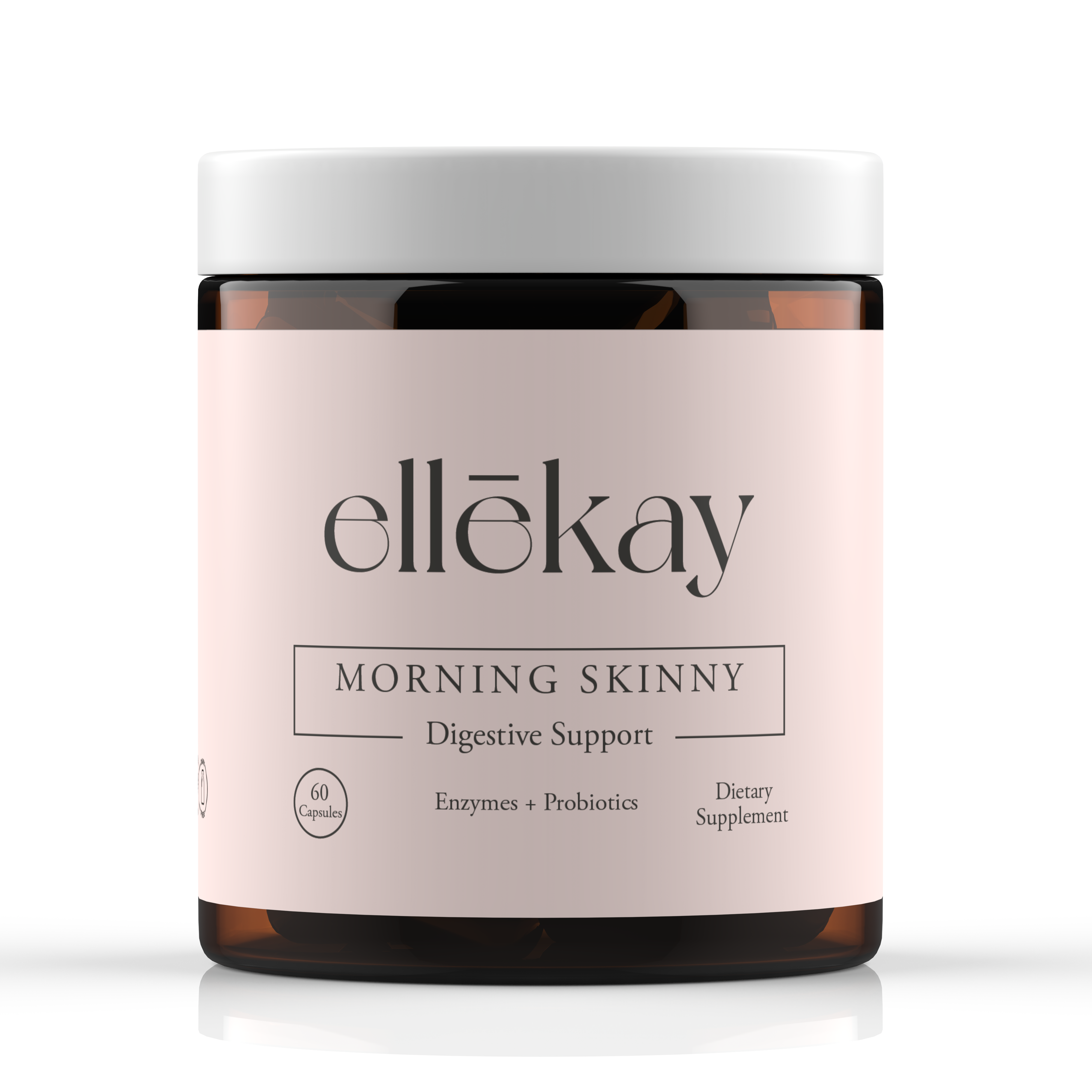
At Ellekay, we approach gut health as a system. Our Morning Skinny blend supports the digestive environment your microbiome depends on, so that whatever probiotic support you choose has the right foundation to work. Questions about our products and gut health approach? Visit our Contact page.
Frequently Asked Questions
What is the difference between Akkermansia and regular probiotics?
Akkermansia muciniphila belongs to the phylum Verrucomicrobia and lives in the intestinal mucus layer, a completely different ecological niche from traditional probiotics. In the akkermansia vs probiotics comparison, the key distinction is function: Akkermansia maintains the gut barrier's mucus layer and tight junction integrity, while Lactobacillus and Bifidobacterium ferment dietary fibers in the intestinal lumen. These are complementary, not competing, functions.
Is Akkermansia better than Lactobacillus?
Not better, different. The akkermansia vs lactobacillus question misframes the comparison. Lactobacillus and Bifidobacterium have decades of research and address different gut functions. Akkermansia fills a structural role no traditional probiotic performs. For people specifically concerned with gut barrier integrity, leaky gut, or metabolic health, Akkermansia compared to regular probiotics offers mechanistically targeted benefits that traditional strains cannot replicate.
Can I take Akkermansia and traditional probiotics together?
Yes. Akkermansia occupies a completely different ecological niche (the mucus layer) than Lactobacillus and Bifidobacterium (the intestinal lumen). They do not compete for the same space or food sources. Combining traditional probiotics with next generation probiotics like Akkermansia is supported by the current understanding of complementary gut microbiome ecology.
Why is Akkermansia called a next-generation probiotic?
Akkermansia is called a next-generation probiotic because it belongs to a newer category of gut bacteria being studied for supplementation that differ significantly from classical Lactobacillus and Bifidobacterium strains. Next generation probiotics like Akkermansia are characterized by novel mechanisms (structural gut barrier maintenance), newer regulatory pathways (EFSA novel food approval), and research emerging primarily in the 2010s and 2020s rather than decades-old clinical traditions.
Do traditional probiotics increase Akkermansia?
Not directly. Traditional probiotic supplements introduce Lactobacillus or Bifidobacterium strains but do not directly increase Akkermansia populations. However, Bifidobacterium-produced short-chain fatty acids may indirectly support Akkermansia colonization by modifying gut pH and creating favorable anaerobic conditions. Dietary approaches (polyphenols, prebiotic fiber) are more direct and reliable ways to increase Akkermansia alongside next generation probiotics supplementation.
Written by the Ellekay Wellness Team | Reviewed by our gut health research advisors | Published April 2026 | Sources: IPA Biotics Next-Generation Probiotic Review (2024), Nature Medicine (2019), EFSA Novel Food Authorization (2021), PubMed Next-Generation Probiotics (2025)
Related guides