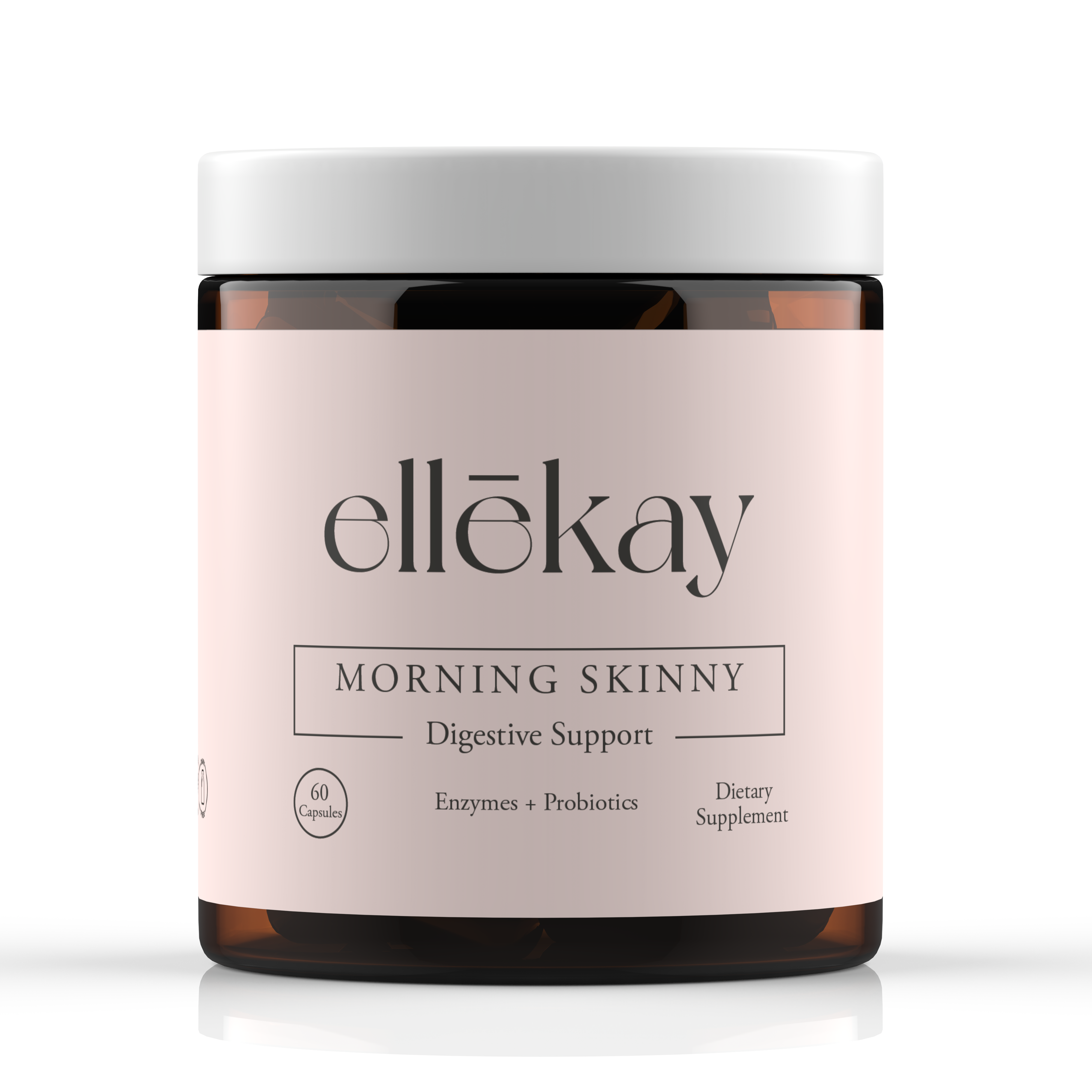
Lemon balm for gut health is one of the most overlooked herbal tools in women's wellness. This gentle herb from the mint family soothes indigestion, reduces bloating, and eases gastrointestinal discomfort, backed by centuries of traditional use and growing clinical research. If digestive symptoms are draining your days, Ellekay's Morning Skinny is built around gut-supportive botanicals like this one.
By Ellekay Team, Women's Wellness Experts
Lemon balm (melissa officinalis) is a perennial herb in the mint family native to southern Europe and central Asia. It carries a gentle lemon scent and mild flavor, which is why lemon balm tea has been a beloved daily ritual for thousands of years. The plant contains several powerful compounds including rosmarinic acid, flavonoids, and volatile oils that give it its calming and therapeutic properties.
Traditional herbalists used lemon balm alongside other herbs to address anxiety, poor sleep, and digestive complaints. Modern research has confirmed what traditional practice long suggested: rosmarinic acid is one of the primary bioactive compounds responsible for the anti-inflammatory and antispasmodic effects that benefit the gastrointestinal tract.
How Lemon Balm Helps Your Digestion
The question of whether lemon balm help with digestive discomfort has been studied in multiple clinical trials. Here is what the research shows:
Antispasmodic action: Rosmarinic acid and other compounds in lemon balm relax smooth muscle in the gastrointestinal tract, reducing cramping and spasms. A study by Melzer and colleagues published in Alimentary Pharmacology and Therapeutics (2004) found that a combination formula including lemon balm extract significantly reduced symptoms of functional dyspepsia, including bloating, nausea, and abdominal pain, compared to placebo.
Reducing gas and bloating: Lemon balm helps ease trapped gas by relaxing the intestinal wall, allowing air to move through the digestive system more comfortably.
Calming the gut-brain axis: Anxiety and gastrointestinal distress are tightly connected. Lemon balm reduces stress-induced digestive flare-ups by quieting the signals traveling between the brain and the gut, a mechanism that affects digestion at every level.
Digestive enzymes are a natural complement to lemon balm, since enzymes support the mechanical breakdown of food while lemon balm calms the surrounding muscle and nervous system response. Together, they can round out a daily gut support routine, and readers building one out may find it worth exploring digestive enzyme supplements as a next step.
Lemon Balm Tea vs. Lemon Balm Extract
Lemon Balm Tea
Drinking balm tea is one of the most traditional ways to use lemon balm for digestive relief. A standard preparation uses 1.5 to 4.5 grams of dried herb per cup, steeped for 5 to 10 minutes. Both dried and fresh lemon balm leaves produce a pleasant, mildly citrusy balm tea. Drink it 15 to 20 minutes before meals to support digestion, or after eating to ease indigestion and bloating.
Lemon Balm Extract
Lemon balm extract is a concentrated form often standardized to a specific percentage of rosmarinic acid, making dosing more consistent than brewed tea. Many supplement formulas use lemon balm extract at doses between 300 mg and 500 mg per serving. A 2014 trial by Cases and colleagues published in Nutrients demonstrated improvements in mood and cognitive performance with standardized lemon balm extract, with participants also reporting reduced gastrointestinal symptoms.
When you use lemon balm in extract form, the concentration of active compounds is controlled, which makes the benefits more reliable. If you want a formula combining multiple gut-supportive herbs, the Morning Skinny gut-debloat blend is worth reviewing.

Lemon Balm and Common Digestive Conditions
Indigestion
Indigestion is one of the most common reasons people use lemon balm. The antispasmodic and carminative properties of this herb reduce upper abdominal discomfort, pressure, and nausea. The Melzer et al. study found a statistically significant reduction in dyspepsia symptoms, validating what herbal practitioners have recommended for generations.
IBS and Gut Sensitivity
Women are disproportionately affected by irritable bowel syndrome, and lemon balm's dual calming and antispasmodic properties make it a natural support tool. The compounds reduce nervous-system arousal, which lowers gut hypersensitivity and cramping. Hormonal changes add another layer to this picture, since gut health commonly shifts for women during transitions such as menopause and digestion, when calming, antispasmodic support can matter even more.
Acid Discomfort
Some women find that lemon balm tea soothes mild acid discomfort by reducing muscle tension in the lower digestive tract. It is not a clinical replacement for acid management, but it complements a natural wellness routine effectively.
The Sleep and Stress Connection
One of the least-discussed benefits of lemon balm for gut health is its indirect action through sleep and stress reduction. Gut motility, enzyme secretion, and inflammation levels are all regulated in part by the nervous system. When cortisol stays elevated and the stress response goes unchecked, digestion slows and cramping increases. When sleep is disrupted, gut barrier integrity weakens over time.
A randomized controlled trial by Kennedy and colleagues published in Psychosomatic Medicine (2004) showed that a combination of lemon balm and valerian significantly reduced anxiety and improved sleep quality compared to placebo. Better sleep and lower cortisol create a calmer gut environment. This gut-nervous-system connection is especially relevant for active women, since training adds its own physical stress on top of daily life. Keeping the nervous system calm through practices like lemon balm tea can support more consistent digestion around exercise and recovery.
Frequently Asked Questions
Is lemon balm safe for daily use?
For most healthy adults, daily use of lemon balm in tea or supplement form is considered safe at standard doses. The herb has a long history of use without serious reported adverse events. If you are pregnant, nursing, or taking thyroid medications or sedatives, speak with your healthcare provider before adding lemon balm to your routine.
What are the side effects of lemon balm?
Side effects are uncommon at typical doses. Some people report mild nausea, dizziness, or headache at higher doses of lemon balm extract. The most commonly noted side effects are sedation and drowsiness, which is why many women prefer lemon balm tea in the evening rather than the morning.
How long does it take for lemon balm to help digestion?
Many women notice reduced bloating and cramping within 30 to 60 minutes of drinking lemon balm tea. With consistent daily use of lemon balm extract over two to four weeks, more sustained improvement in gastrointestinal symptoms is typically reported in clinical observations.
Can lemon balm help with anxiety-related gut issues?
Yes. Because lemon balm works on both the nervous system and the gastrointestinal tract, it is particularly effective for stress-triggered digestive symptoms. The calming properties reduce nervous-system arousal, which lowers gut hypersensitivity and cramping tied to anxiety.
Does lemon balm tea taste pleasant?
Lemon balm tea has a mild, slightly citrusy flavor with herbal undertones. It is pleasant without sweetener, though a small amount of honey pairs well. Fresh lemon balm gives a brighter taste compared to dried herb, and both are effective for digestive support.
Start Your Daily Digestive Wellness Routine
Lemon balm is a gentle, natural herb that earns a real place in any digestive wellness routine. Whether you prefer balm tea before meals or a standardized lemon balm extract in supplement form, consistent use supports a calmer, healthier gastrointestinal tract. To explore a complete gut-debloat formula built around botanicals like lemon balm, visit the Morning Skinny product page.