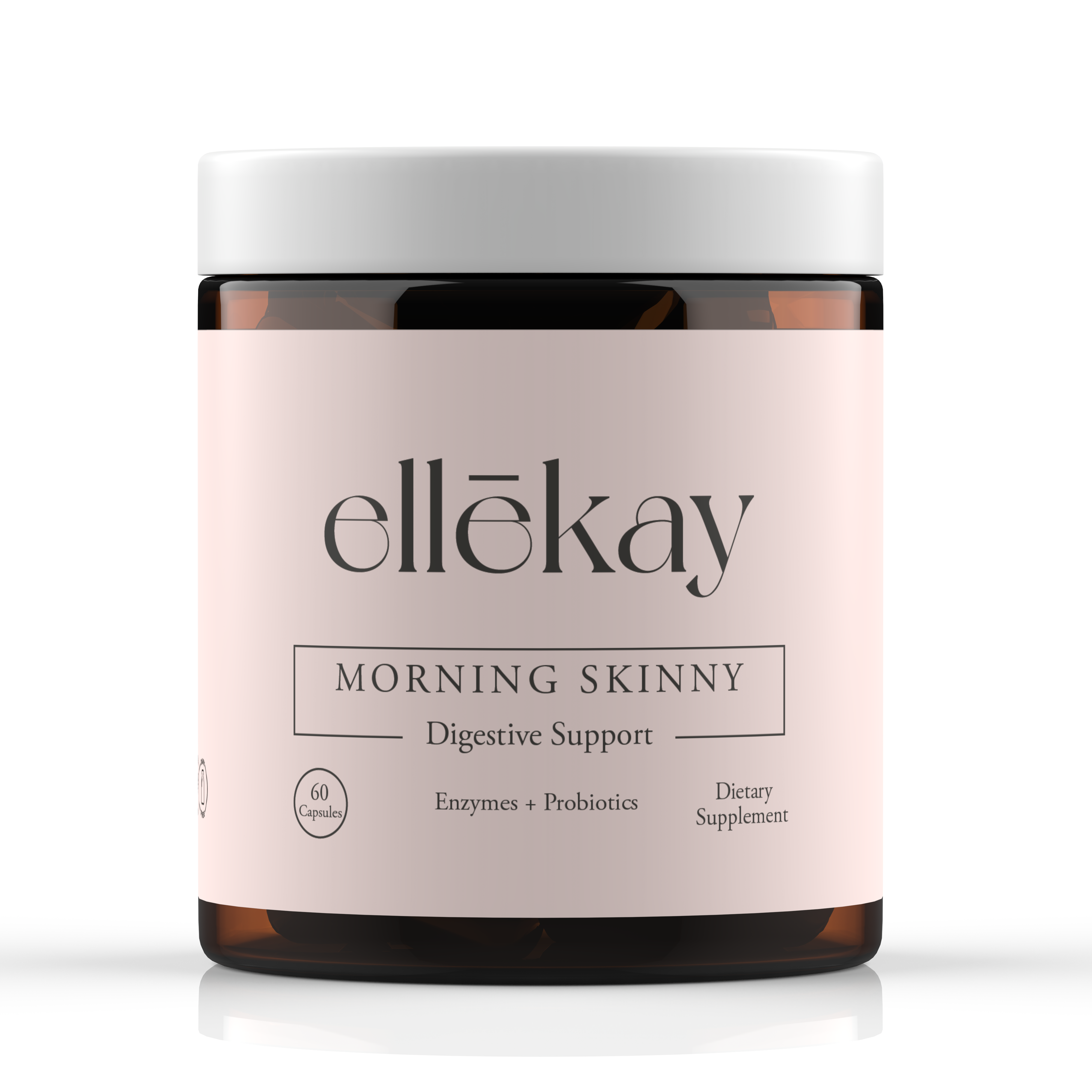
Dandelion root for digestion has been traditionally used for centuries to support liver function, ease bloating, and encourage healthy bile flow. This humble plant, known scientifically as taraxacum officinale, offers real health benefits backed by research. Explore how the Morning Skinny formula and dandelion root can work together for your gut.
By Ellekay Team, Women's Wellness Experts
What Is Dandelion Root?
The dandelion plant (taraxacum officinale) is far more than a backyard weed. Its root has been a staple of traditional herbal medicine across Europe, Asia, and North America for centuries, prized for its ability to support gut health, liver function, and overall wellness. The root dandelion is harvested, dried, and prepared into teas, tinctures, and supplement extracts.
Modern herbalists and integrative practitioners continue to reach for dandelion root extract because of its rich blend of active compounds, including inulin (a prebiotic fiber), sesquiterpene lactones, and polyphenols. Understanding dandelion root digestion support begins with these compounds, which work together to create the digestive and detoxifying effects that have made this plant a cornerstone of traditional herbal practice.
How Dandelion Root for Digestion Works
One of the most well-documented benefits dandelion root offers is its ability to stimulate digestive secretions. Research published in the journal Evidence-Based Complementary and Alternative Medicine (Schütz et al., 2006) found that taraxacum officinale activates receptors that trigger the release of digestive enzymes and gastric juices, helping break down food more efficiently.
Dandelion root also contains inulin, a soluble fiber that acts as a prebiotic. Inulin feeds beneficial gut bacteria, helping to increase microbial diversity and support a balanced microbiome. For women experiencing bloating, sluggish digestion, or irregular bowel habits, this prebiotic fiber can make a noticeable difference.
Dandelion Root and Liver Support
The liver is central to digestion, and root dandelion has a long history of use as a liver tonic. The active compounds in taraxacum officinale appear to support liver function in two key ways: by stimulating bile production and promoting bile flow.
Bile is a digestive fluid produced by the liver and stored in the gallbladder. When bile flow is optimal, fat-soluble nutrients are absorbed more efficiently and waste products are cleared more effectively. Research by Mahboubi (2020) in the Iranian Journal of Pharmaceutical Research noted that dandelion root extract showed hepatoprotective properties in preclinical studies, suggesting a genuine capacity to support liver cells from oxidative damage.
If you are struggling with fat digestion specifically, dandelion root's bile-stimulating effects work well alongside enzyme supplements for fat digestion.

The Nutritional Profile: Vitamins, Minerals, and Fiber
The benefits dandelion root provides go beyond its bitter compounds. Dandelion root for digestion draws on a rich nutritional profile: the root is a source of vitamins minerals including vitamin C, vitamin B6, potassium, iron, calcium, and magnesium. These vitamins minerals support everything from immune function to bone density, making dandelion root a genuinely nourishing source of nutritional and digestive support in a daily wellness routine.
The fiber content deserves attention. A typical serving of dandelion root contains meaningful amounts of inulin, which feeds beneficial gut bacteria and helps regulate blood sugar response and cholesterol levels. Digestive function often becomes less efficient with age, which can make consistent support from gut friendly botanicals like dandelion root more valuable over time. Building a steady routine, rather than reaching for support only when symptoms flare, tends to serve digestion best as the body changes.
How to Use Dandelion Root: Tea, Extract, and Coffee Substitute
Dandelion root is one of the more versatile botanicals you can add to your daily routine. Here are the most common forms:
Dandelion Root Tea
Brewing dandelion root as a tea is one of the oldest and most accessible ways to experience its health benefits. Steep dried, roasted dandelion root in hot water for 5 to 10 minutes. The taste is earthy, slightly bitter, and warming, similar to a robust herbal tisane. Many women find it a grounding ritual alongside their morning skincare or breakfast routine.
Dandelion Root Extract
A dandelion root extract delivers a concentrated dose of the plant's active compounds. Extracts are typically standardized for consistent potency and are commonly added to digestive supplement blends. This is the form most often associated with the clinical and preclinical research on bile flow and liver support.
Roasted Dandelion as a Coffee Substitute
One of the more popular uses for dandelion root is as a coffee substitute. Roasting deepens the flavor and creates a rich, dark brew that looks and tastes somewhat like coffee but contains no caffeine. For women who want to reduce caffeine intake without giving up a warm morning ritual, dandelion root as a coffee substitute is a practical, gut-friendly option that traditional herbal practitioners have recommended for centuries.
Dandelion root pairs well with other digestive botanicals, including ginger for digestion, which supports digestion through complementary mechanisms and makes a smart pairing with dandelion.
To see dandelion root alongside other digestion-supporting ingredients in a single daily formula, visit Morning Skinny gut-debloat blend.
Frequently Asked Questions
Is dandelion root safe to take every day?
For most healthy adults, dandelion root is well-tolerated when consumed in typical food or supplement amounts daily. Individuals with ragweed allergies or who take certain medications, particularly diuretics or lithium, should consult a healthcare provider first. Dandelion has a long history of use as a food plant across many cultures, which supports its general safety profile at standard doses.
How long does it take to notice digestive support from dandelion root?
Most people begin noticing changes in bloating and bowel regularity within one to two weeks of consistent use. The prebiotic fiber in dandelion root works gradually by encouraging shifts in the gut microbiome, so daily use tends to produce better results than occasional supplementation.
Can dandelion root help with bloating?
Yes. Dandelion root supports bile flow and digestive enzyme secretion, both of which contribute to more thorough food breakdown and less fermentation in the gut. Its prebiotic fiber also feeds beneficial bacteria that crowd out gas-producing strains. Together, these mechanisms are associated with meaningful reductions in bloating over consistent daily use.
What does dandelion root tea taste like?
Dandelion root tea has an earthy, mildly bitter taste with a roasted undertone, especially when the root has been roasted before drying. Many people find the taste pleasant and grounding, somewhat resembling a mild herbal coffee. Adding a small amount of honey or oat milk softens the bitterness.
Does dandelion root benefit liver function?
Research supports this traditionally used approach. Taraxacum officinale contains compounds that appear to increase bile production and protect liver cells from oxidative stress. Preclinical studies (Mahboubi, 2020, Iranian Journal of Pharmaceutical Research) found hepatoprotective effects, and the plant's use as a liver tonic across traditional herbal systems over centuries adds credibility to this mechanism.
Add Dandelion Root to Your Wellness Routine
Dandelion root for digestion offers a broad spectrum of benefits, from liver support and bile flow to prebiotic fiber and digestive support, all backed by centuries of traditional use and growing modern research. To find out which Ellekay formula fits your digestive goals, contact the Ellekay team and we will help you find the right fit.