Boost Digestive Health After 40: Support Aging with Enzymes
By Ellekay Team, Women's Wellness Experts · January 15, 2026 · 4 min read
Digestive Enzymes for Aging: Why Your Gut Needs More Support Over Time
As we age, our bodies undergo various physiological changes that can impact our digestive health. Digestive enzymes play a crucial role in breaking down food and facilitating nutrient absorption, yet their production may decline with age in some individuals. This article explores the importance of digestive enzymes, the reasons for their potential decline, and how to support gut health as we grow older. Understanding these factors is essential for maintaining overall wellness and preventing digestive issues that can arise in later years. We will delve into common age-related digestive problems, natural ways to boost enzyme production, and how ellēkay’s Morning Skinny can support digestive health.
Why Do Digestive Enzymes Decline with Age?
Digestive enzymes are proteins that help break down food into nutrients that the body can absorb. As we age, several physiological changes may contribute to a decline in enzyme production in some people, which can affect digestive health.
What Physiological Changes Reduce Enzyme Production?
Several physiological changes occur as we age that can reduce enzyme production in certain individuals. For instance, pancreatic function may decline, leading to decreased secretion of digestive enzymes such as proteases and amylases. Additionally, alterations in stomach acid levels can hinder the activation of these enzymes, further impacting digestion. These changes can result in a less efficient digestive process, making it harder for the body to extract essential nutrients from food.
How Does Enzyme Decline Impact Nutrient Absorption?
The decline in digestive enzymes can have a significant impact on nutrient absorption. When enzyme activity is insufficient, the body struggles to break down vitamins and minerals effectively. This can lead to deficiencies that affect overall health, energy levels, and immune function. As a result, individuals may experience fatigue, weakened immunity, and other health issues related to poor nutrient absorption.
What Are Common Age-Related Digestive Issues and Symptoms?
As enzyme production decreases in some individuals, many experience common digestive issues that can significantly affect their quality of life. Recognizing these symptoms is crucial for addressing them effectively.
How Does Enzyme Deficiency Cause Bloating and Discomfort?
Enzyme deficiency can lead to bloating and discomfort as undigested food ferments in the gut. This fermentation process produces gas, resulting in feelings of fullness and abdominal pain. Individuals may also experience irregular bowel movements, which can further exacerbate discomfort. Understanding the link between enzyme activity and digestive symptoms is essential for managing these issues.
What Role Does Leaky Gut and Inflammation Play in Aging Digestion?
Leaky gut syndrome, characterized by increased intestinal permeability, can also contribute to digestive issues in aging individuals. When the gut lining becomes compromised, toxins and undigested food particles can enter the bloodstream, potentially leading to inflammation. This inflammation can further impair digestion and nutrient absorption, creating a cycle of digestive distress. Addressing leaky gut and inflammation may be beneficial for restoring digestive health.
How Can You Naturally Boost Digestive Enzymes and Support Gut Health?
Fortunately, there are several natural ways to enhance digestive enzyme production and support gut health. Implementing dietary changes and lifestyle modifications can significantly improve digestive function.
Which Foods and Lifestyle Changes Enhance Enzyme Production?
Incorporating specific foods into your diet can help support enzyme production. Foods rich in natural enzymes, such as pineapples (bromelain) and papayas (papain), can aid digestion. Additionally, consuming fermented foods like yogurt and sauerkraut can promote a healthy gut microbiome, which is essential for optimal digestive health. Lifestyle changes, such as staying hydrated and managing stress, can also support digestive function.
What Are the Benefits of Probiotics Like Akkermansia muciniphila?
Probiotics, including strains like Akkermansia muciniphila, play a crucial role in maintaining gut health. These beneficial bacteria help balance the gut microbiome, enhance nutrient absorption, and may reduce inflammation. Emerging research suggests that incorporating probiotics into your diet can improve digestive function and overall well-being, making them a valuable addition to many health regimens.
How Does ellēkay’s Morning Skinny Support Age-Related Digestive Health?
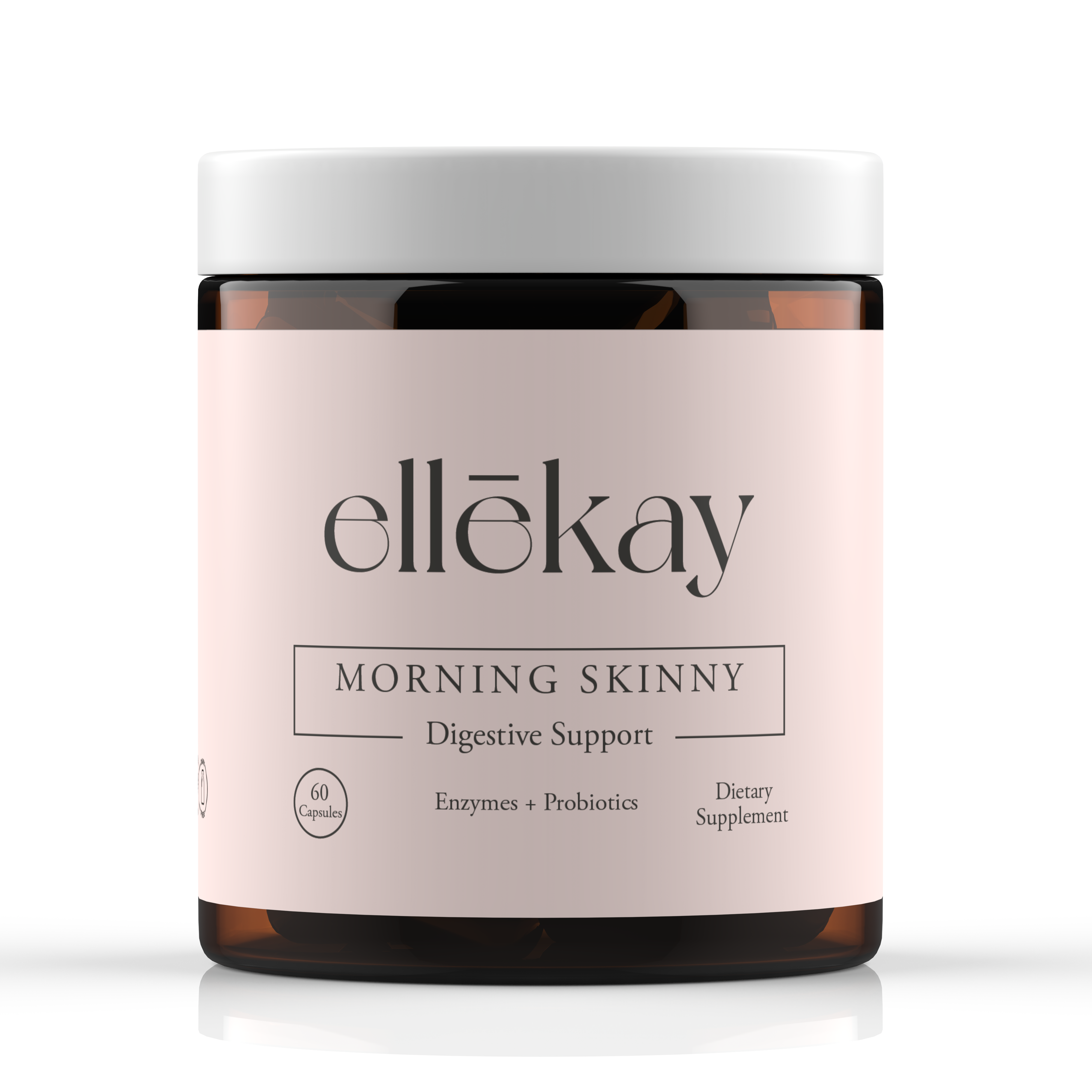
Morning Skinny is designed to address digestive challenges that can accompany aging. This product combines natural ingredients that support enzyme production and overall gut health.
What Are the Key Ingredients in Morning Skinny and Their Benefits?
Morning Skinny features a blend of digestive enzymes, botanical extracts, and probiotics that work synergistically to enhance digestive function. Key ingredients include proteases for protein digestion, amylases for carbohydrate breakdown, and beneficial probiotics to support gut flora. Together, these components help alleviate digestive discomfort and promote nutrient absorption.
How Does Morning Skinny Provide Fast Relief from Bloating and Discomfort?
Users of Morning Skinny often report relief from bloating and discomfort due to its carefully formulated ingredients. The combination of digestive enzymes and probiotics helps break down food more efficiently, reducing fermentation and gas production. This action can improve comfort levels after meals, making it a helpful choice for those experiencing age-related digestive issues.
Reading about gut comfort is good. Feeling it is better.
Morning Skinny puts everything above into one ritual: two capsules with water after your largest meal, so that light, comfortable feeling stays with you.
1536+ reviews
Akkermansia
The clinically studied keystone strain your gut lining loves, over 3 billion TFU per serving.
9 enzymes
A 136mg digestive blend that helps break down your largest meal while you get on with your day.
4 botanicals
Calming, dosed herbs so you get up from the table comfortable, not heavy.