Your skin is your body's largest organ, and it tells a story your gut already knows. If you have been dealing with persistent skin issues like breakouts, redness, or dullness despite a solid skincare routine, the real answers may be deeper than your surface. The gut-skin connection is one of the most compelling areas of modern wellness research, and understanding it can change how you approach both your diet and your complexion.
The Science Behind the Gut-Skin Axis
The gut-skin axis refers to the two-way communication network between your digestive system and your skin. Researchers have known for decades that gut health and skin health are linked, but it is only recently that scientists have begun mapping exactly how this relationship works.
In 2018, Salem et al. published a landmark review in Frontiers in Microbiology concluding that the gut microbiome serves as a major regulator of the gut-skin axis. The review found that changes in the gut microbiota can trigger immune responses that show up directly on the skin, affecting everything from hydration to inflammation levels.
Think of your gut microbiome as a control center. The trillions of microorganisms living in your digestive tract communicate with your immune system, regulate inflammation, and influence hormone production. All of those signals reach your skin, making the gut-skin connection one of the most powerful factors for skin health that most women overlook entirely.
How Dysbiosis Triggers Skin Conditions
Dysbiosis is the term for an imbalance in the gut microbiome, and it is one of the primary ways gut issues become skin issues. When beneficial bacteria are outnumbered by harmful strains, the gut lining becomes more permeable. This state, often called leaky gut, allows inflammatory compounds to enter the bloodstream.
Once those compounds circulate, they can trigger or worsen existing skin conditions. Research published in Gut Pathogens by Bowe and Logan (2011) found strong associations between gut dysbiosis and inflammatory skin conditions, including acne, eczema, and psoriasis. The authors noted that patients with these conditions often showed measurable differences in their gut microbiota compared to those without skin issues.
For women, this is especially relevant because hormonal shifts during your cycle, pregnancy, or perimenopause can alter the gut microbiome, which then feeds back into skin behavior. If you notice your skin flares at certain points in the month, your hormonal and gut health connection may be a contributing factor worth exploring.

Leaky Gut, Inflammation, and Your Skin
The leaky gut concept sits at the heart of much of the gut-skin research. When the tight junctions of the intestinal lining break down, the barrier between your gut contents and your bloodstream weakens. Bacteria, toxins, and undigested particles that should stay in the gut can leak through, triggering a systemic immune response.
This chronic, low-grade inflammation does not always feel obvious inside. But it often announces itself through the skin. Researchers studying conditions like psoriasis and eczema have consistently found altered gut microbiota profiles in affected patients, pointing to dysbiosis and increased intestinal permeability as key contributors to these skin conditions. Supporting a healthy gut lining through diet, hydration, and targeted supplements may help calm this inflammatory cycle and improve skin comfort over time.
The Skin Microbiome: Your Outer Ecosystem
Just as the gut has its own microbiome, so does the skin. The skin microbiome is a diverse community of bacteria, fungi, and other microorganisms living on the surface of your skin. It plays a key role in protecting you from environmental threats, maintaining moisture balance, and regulating your skin's immune responses.
Here is the connection most people miss: the health of your gut microbiome appears to directly influence the health of your skin microbiome. When your gut is thriving with diverse, balanced microbiota, the signals it sends throughout the body tend to support a more resilient skin barrier and a more stable skin microbiome. When the gut is dysbiotic, the skin microbiome can also fall out of balance, making skin conditions more likely to flare.
This is why surface-only skincare routines can feel incomplete. Real skin health often starts from within.
Diet, Fermented Foods, and Gut-Skin Wellness
What you eat is one of the most direct ways to influence your gut microbiome and, by extension, your skin health. Fermented foods like yogurt, kimchi, and kefir introduce beneficial bacteria into the digestive system and support microbial diversity. A more diverse gut microbiome is generally associated with lower levels of systemic inflammation and better immune regulation.
Fiber-rich vegetables, polyphenols from berries and leafy greens, and omega-3 fatty acids all help create an environment where beneficial gut bacteria can thrive. When those populations are stable, stress responses are more regulated and hormonal levels tend to fluctuate less dramatically, both of which support clearer, calmer skin.
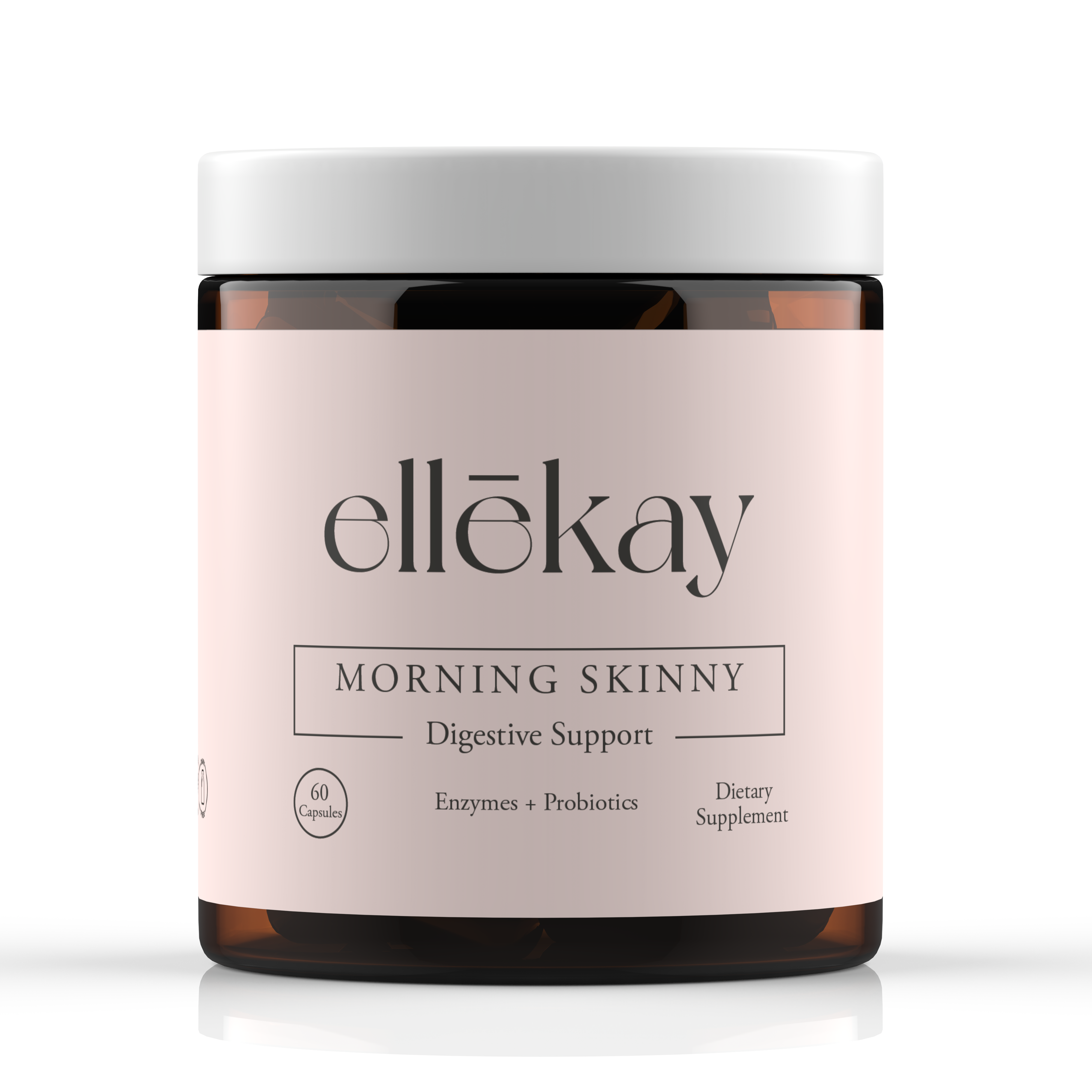
If dietary changes feel overwhelming, a quality daily supplement designed to support digestive wellness can help fill the gaps. Morning Skinny was formulated with women's gut wellness in mind, providing digestive support that works alongside your food choices to help you feel your best from the inside out.
Frequently Asked Questions
Can improving my gut health really improve my skin?
Research strongly supports the gut-skin axis. Restoring gut microbiome balance through diet, lifestyle, and targeted supplements may help reduce systemic inflammation that contributes to skin conditions like acne, eczema, and dullness. Results vary by individual, but many women notice meaningful changes in skin comfort and clarity when they prioritize gut health consistently over time.
What exactly is the gut-skin axis?
The gut-skin axis is the two-way communication system between your digestive tract and your skin, operating through immune pathways, the bloodstream, and the nervous system. Research by Bowe and Logan documented that disruptions in gut microbiota lead to inflammatory signals that surface as skin issues, including psoriasis, eczema, and acne.
How does leaky gut affect skin conditions?
Leaky gut, or increased intestinal permeability, allows inflammatory compounds to pass from the gut into the bloodstream. Those compounds activate the immune system and promote chronic low-grade inflammation, which often shows up on the skin as redness, breakouts, or flares of conditions like psoriasis and eczema.
How long before gut health changes affect the skin?
Skin cell turnover takes roughly 28 days, and gut microbiome shifts can take four to eight weeks of consistent effort. Most women who make meaningful dietary and lifestyle changes tend to notice differences in skin texture and comfort within six to twelve weeks of staying consistent with their gut health routine.
Are probiotics the same as gut health supplements?
Probiotics are one component of gut health support, introducing live beneficial bacteria into the digestive system. A broader gut wellness approach often includes prebiotics, a balanced diet with fermented foods, and supplements designed to support the gut lining and overall microbiome balance for lasting skin and digestive benefits.
Your skin reflects what is happening inside your body. When you support a healthy gut, you give your complexion the foundation it needs to glow from within. Have questions about where to start on your wellness journey? The Ellekay team is always ready to help at myellekay.com/pages/contact.