Your gut does a lot of work every day, and when digestion feels off, your whole day can suffer. The question of whether to take digestive enzymes, probiotics, or both is one that many women find genuinely confusing. Here is what the science says, and how a combination approach may give your digestive system more comprehensive support.
Two Different Tools for the Same Goal
Digestive enzymes and probiotics are both popular categories in the gut health supplement space, but they work in very different ways. Understanding the distinction helps you decide whether a combo digestive supplement makes sense for your needs.
Digestive enzymes are proteins your body produces naturally, primarily in the pancreas and small intestine. They break down the macronutrients in food: proteases work on proteins, lipases on fats, amylases on carbohydrates, and lactase on dairy. When your natural enzyme production is low, or when you eat a large or complex meal, food can move through your system incompletely digested. This is one of the more common contributors to bloating, gas, and that heavy, uncomfortable feeling after eating.
Probiotics, on the other hand, are live beneficial bacteria. They are not enzymes and do not perform the same mechanical breakdown of food. Instead, they colonize your gut and contribute to what researchers call the gut microbiome. A healthy microbiome is associated with better digestion, more stable immunity, and improved mood, according to research published in journals like Nature Reviews Gastroenterology and Hepatology.
So the simple answer is: digestive enzymes help you break down food, while probiotics help maintain a healthy environment for that process to continue.
How Digestive Enzymes Support Your Gut
When you eat a meal, your body triggers a cascade of enzyme activity. Saliva contains amylase. Your stomach produces pepsin for protein digestion. Your pancreas releases a broad mix of digestive enzymes into the small intestine. This system works remarkably well under ideal conditions.
But several factors can reduce your natural enzyme output. Age is one: researchers have noted that pancreatic enzyme production can shift over time. Chronic stress is another, as it can suppress digestive secretions and slow gut motility. Food sensitivities may also signal areas where your body's enzyme activity is insufficient for the foods you regularly consume.
Supplemental digestive enzymes in capsule form are designed to fill these gaps. When taken with a meal, they can help break down proteins, fats, and carbohydrates more completely before they reach the large intestine. When food is well-digested by the time it reaches the colon, there is less substrate available for gas-producing fermentation. That is a key mechanism behind the bloating relief many women report when they add a digestive enzyme supplement to their routine.
A 2021 review in Nutrients authored by Ianiro, Pecere, Giorgio, Gasbarrini, and Cammarota highlighted the potential role of digestive enzyme supplementation in supporting digestive comfort, particularly in individuals with functional digestive complaints.
What Probiotics Add to the Equation
Probiotics have been studied for decades, and the science has grown considerably more specific over time. Not all probiotic strains work the same way. The genus, species, and strain designation all matter, and the clinical evidence is largely strain-specific.
Lactobacillus acidophilus, Bifidobacterium longum, and Lactobacillus rhamnosus are among the more researched probiotic strains. Studies published in Cell Host and Microbe and related journals have shown that certain strains help regulate gut motility, reduce intestinal permeability, and modulate the immune response in the gut lining.
For women specifically, there is growing interest in how the gut microbiome interacts with hormonal cycles. Dr. Emeran Mayer of UCLA has written extensively on the gut-brain connection, noting that the microbiome may influence mood, stress response, and systemic inflammation.
What probiotic supplements generally do not do on their own is break down the macronutrients in your food. That is where digestive enzymes come in. A probiotic supplement can help cultivate a healthier gut environment, but if undigested food particles are still reaching the colon regularly, that environment remains under pressure.
The Science Behind Combining Digestive Enzymes with Probiotics
The rationale for pairing digestive enzymes with probiotics is that they address different phases of digestion. Enzymes act upstream, in the stomach and small intestine, where food is being broken down. Probiotics work further downstream, in the large intestine, where the microbiome lives.
Research suggests that when food arrives in the colon in a more digested form, because digestive enzymes have already done their work, beneficial bacteria have a better opportunity to thrive. This is sometimes described as a downstream benefit to microbial balance, one that emerges from more complete upstream digestion.
A 2020 study in Frontiers in Microbiology noted that the composition of the gut microbiome is significantly influenced by what reaches the colon, including the digestive status of incoming nutrients. When enzyme activity is robust, fermentation patterns in the colon may improve in ways that support the growth of beneficial bacterial populations.

From a practical standpoint, combining both in a single daily supplement means one fewer decision in your morning routine. Capsules that integrate digestive enzymes and probiotics can also be formulated to deliver each ingredient at the right point in digestion, with coatings or delivery strategies that protect probiotic viability through the stomach environment.
What to Look for in a Digestive Enzyme and Probiotic Supplement
If you are comparing combo digestive enzyme and probiotic supplements, a few markers help separate quality formulas from crowded-label products.
Enzyme variety. A broad-spectrum digestive enzyme blend should include protease, amylase, lipase, and ideally lactase and cellulase. If a supplement only lists one or two enzymes, it is unlikely to provide the full support most women need across different meals and food types.
Probiotic strain transparency. The label should identify genus, species, and ideally strain designation, such as Lactobacillus acidophilus NCFM. A CFU count guaranteed at expiration is more meaningful than one measured only at the time of manufacture.
Capsule integrity. Both digestive enzymes and probiotics can be denatured by stomach acid before they reach their target. Capsule design matters. Look for delayed-release or enteric-coated capsules that protect active ingredients through the stomach environment.
Clean formulation. Many supplements rely on binders, artificial colors, and unnecessary additives. A quality digestive health supplement keeps active ingredients front and center.
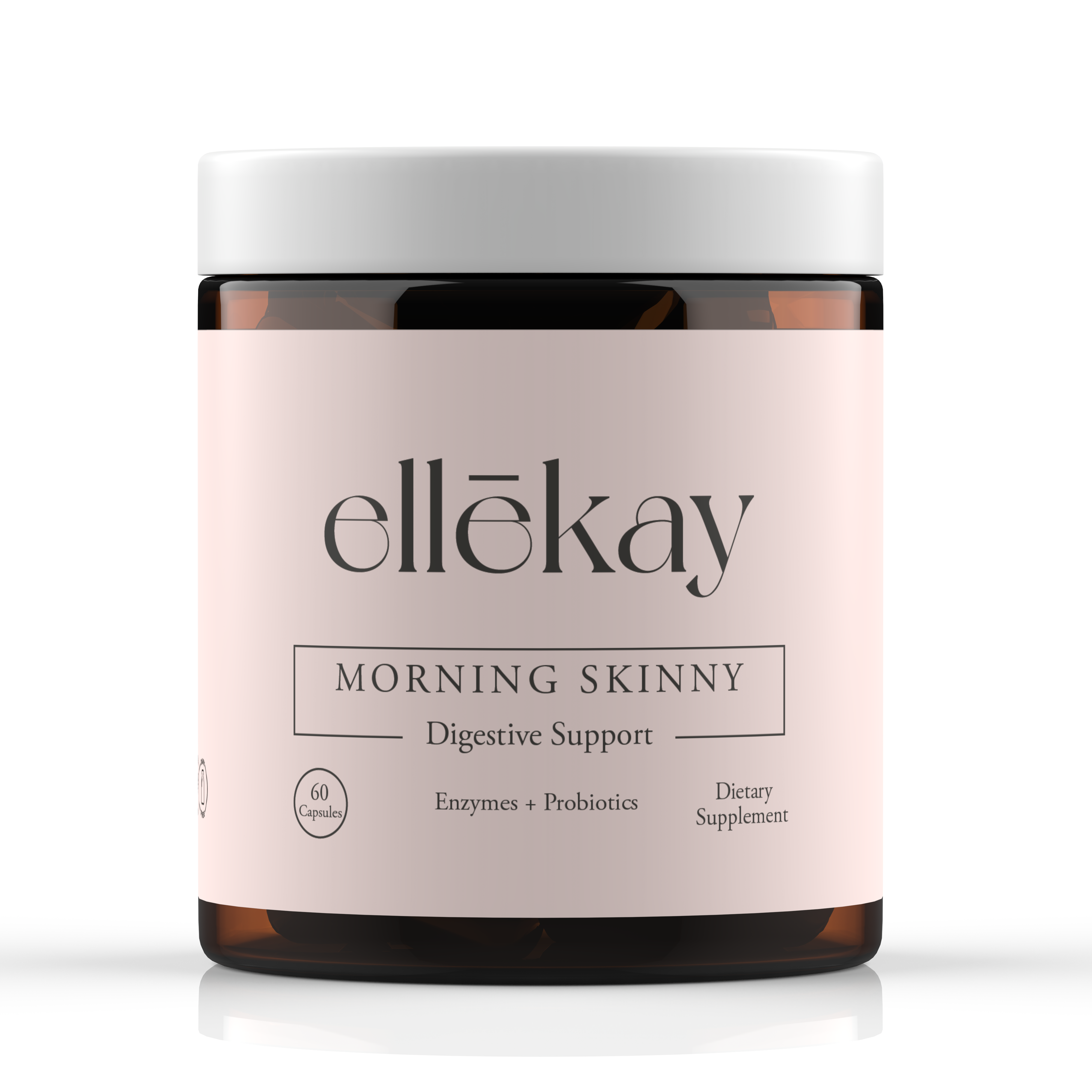
Morning Skinny combines a nine-enzyme digestive blend with Akkermansia muciniphila and prebiotic fibers in vegetable capsules, designed specifically for women who want to feel their best from the inside out.
Building a Gut Health Routine That Lasts
A supplement is one part of the picture. For women who want to build lasting digestive wellness, it works best alongside consistent daily habits.
Eat slowly and chew thoroughly. Digestion begins in the mouth. Chewing activates salivary amylase and gives your stomach time to prepare for incoming food.
Support your microbiome through food. Fermented foods like plain yogurt, kefir, sauerkraut, and kimchi contain naturally occurring beneficial bacteria. Fiber from vegetables, legumes, and whole grains feeds the strains you are cultivating with your probiotic supplement.
Manage stress consistently. Chronic stress suppresses digestive enzyme secretion and disrupts gut motility. Even brief breathing or mindfulness practices can have measurable effects on digestive function over time.
Stay hydrated. Water is essential for moving digested food through your system. Dehydration can slow transit time and contribute to that bloated, heavy feeling.
Be consistent with your supplement. The benefits of both digestive enzymes and probiotics are most apparent with regular, daily use. Sporadic use is far less likely to produce the gut environment changes that make a real difference in how you feel day to day.
Frequently Asked Questions
Can I take digestive enzymes and probiotics together safely?
Yes. Digestive enzymes and probiotics work through different mechanisms and are generally well-tolerated when taken together. Most women find them easiest to take with their first meal of the day. If you have a specific health condition or take prescription medications, check with your healthcare provider before adding any new supplement to your routine.
How long before I notice results from a combo digestive supplement?
Probiotic effects on the gut microbiome typically take several weeks to become established, as beneficial strains need time to colonize. Digestive enzyme benefits can often be felt more quickly, sometimes within the same meal, since they act directly during digestion. Many women report meaningful changes in bloating and digestive comfort after two to four weeks of consistent daily use.
Are digestive enzyme supplements safe for everyday use?
For most healthy adults, digestive enzyme supplements in standard amounts are considered safe for daily use. They are intended to complement your body's natural enzyme production, not replace it. As with any supplement, clean formulation and quality sourcing matter. Consult your healthcare provider if you have specific health concerns or take other medications.
What is the difference between digestive enzymes and probiotics?
Digestive enzymes are proteins that break down food components, including proteins, carbohydrates, and fats, in your stomach and small intestine. Probiotics are live beneficial bacteria that support the health of your gut microbiome, primarily in the large intestine. They serve complementary roles in overall digestive health and gut wellness.
Do I need both enzymes and probiotics if I already eat well?
Diet is the foundation of gut health, and no supplement replaces a balanced, fiber-rich eating pattern. That said, many women find that even with healthy habits, their digestive system benefits from targeted support, particularly during periods of stress, travel, or hormonal change. A combo supplement is one practical way to address multiple aspects of digestive wellness in a single daily step.
Supporting your gut from multiple angles does not have to be complicated. If you have questions about whether Morning Skinny is the right fit for your routine, the Ellekay team is happy to help. Reach out here or explore Morning Skinny to learn more.