Taking a digestive enzyme supplement can be a real game-changer for bloating and gut comfort, but like any wellness addition, it helps to know what to expect. Here is a practical look at the effects digestive enzymes may have, who experiences them, and when it is worth a conversation with your doctor.
How Digestive Enzymes Support Your Gut
Your body naturally produces digestive enzymes throughout the digestive process, from your saliva all the way through your small intestine. The pancreas is the main workhorse, releasing enzymes including lipase (which breaks down fats), amylase (which handles carbohydrates), and proteases (for protein) into your small intestine after you eat. While stomach acid begins the breakdown process, pancreatic enzymes reaching the small intestine handle the bulk of nutrient extraction.
When production dips, whether from stress, diet changes, or age, you may notice bloating gas, discomfort, or that heavy, sluggish feeling after eating. Digestive enzyme supplements are designed to fill that gap, helping break down food more efficiently so nutrients can be absorbed properly.
Common Side Effects of Digestive Enzyme Supplements
Most women tolerate enzyme supplements well, but some experience mild digestive effects when first starting. Here is what you may notice:
Temporary bloating or gas. This is the most commonly reported experience. Your gut is adjusting to improved food breakdown, and this typically resolves within a week.
Nausea or stomach discomfort. Taking supplements on an empty stomach increases the chance of nausea. Most products work best when taken right before or during a meal.
Changes in stool. Some people notice looser stools or increased frequency. This is usually short-lived and reflects your body processing food more efficiently.
Mouth irritation. Enzymes like amylase and lipase are active compounds. Swallow capsules promptly with water rather than chewing or holding them in your mouth.
Mild headache. Less common, but noted with higher-dose products. Staying hydrated and starting with a lower dose can help minimize this.
If any of these effects persist beyond the first week or two, that is worth discussing with your doctor.

When Side Effects Deserve Medical Attention
Most enzyme side effects are minor and short-lived. But a few symptoms deserve prompt attention from a doctor:
Severe abdominal pain. Significant pain after you eat, especially pain that radiates toward the back, can signal problems involving the pancreas. This type of pain should always be evaluated medically, not addressed with over-the-counter products alone.
Blood in stool. This is never something to wait out. Contact your healthcare provider right away.
Signs of an allergic reaction. Many enzyme supplements are derived from pork or beef pancreas tissue. If you have sensitivities to these proteins, check the source listed on any supplement and consult your doctor before starting.
Worsening of an existing digestive disease. If you have a known condition and symptoms worsen after starting enzymes, stop use and reach out to your provider.
Pancreatic Health, Cancer Risk, and Digestive Enzymes
This topic comes up often because digestive enzyme supplements are closely connected to conditions that affect the pancreas, and it is worth addressing directly.
The pancreas produces the majority of your body's natural digestive enzymes. When pancreatic function is compromised, whether by chronic pancreatitis, cystic fibrosis, or pancreatic cancer, the body often cannot release enough enzymes into the small intestine, making digestion genuinely difficult.
Prescription pancreatic enzyme replacement therapy is used to address this in clinical settings. Research on exocrine pancreatic insufficiency, including studies published in the journal Gut, has established clear links between enzyme deficiency and nutritional problems during treatment for pancreatic disease.
For healthy women using over-the-counter enzyme supplements for general gut support, this clinical context is not cause for alarm. It does reinforce one important point: if you have a family history of pancreatic cancer or unexplained abdominal pain, check with your doctor before adding enzyme supplements to your routine. A supplement is not a substitute for a medical evaluation.
Who Should Use Extra Caution
Digestive enzyme supplements are considered safe for most healthy adults, but a few groups should speak with a doctor first:
- Anyone with active pancreatitis or a history of pancreatic disease
- People currently taking prescription medication for digestive enzyme deficiency (do not layer over-the-counter supplements without guidance)
- Women who are pregnant or breastfeeding, as research in these populations is limited
- Anyone on blood-thinning medication, since some enzyme products may have mild anticoagulant properties
- Those with known allergies to pork or beef-derived ingredients
Building a Digestive Routine That Actually Works
If reducing bloating and feeling lighter after meals is your goal, a well-formulated daily supplement can be a practical addition to a balanced diet and consistent routine. The key is starting with a trusted formula designed with women's digestive health in mind and giving it time to work.
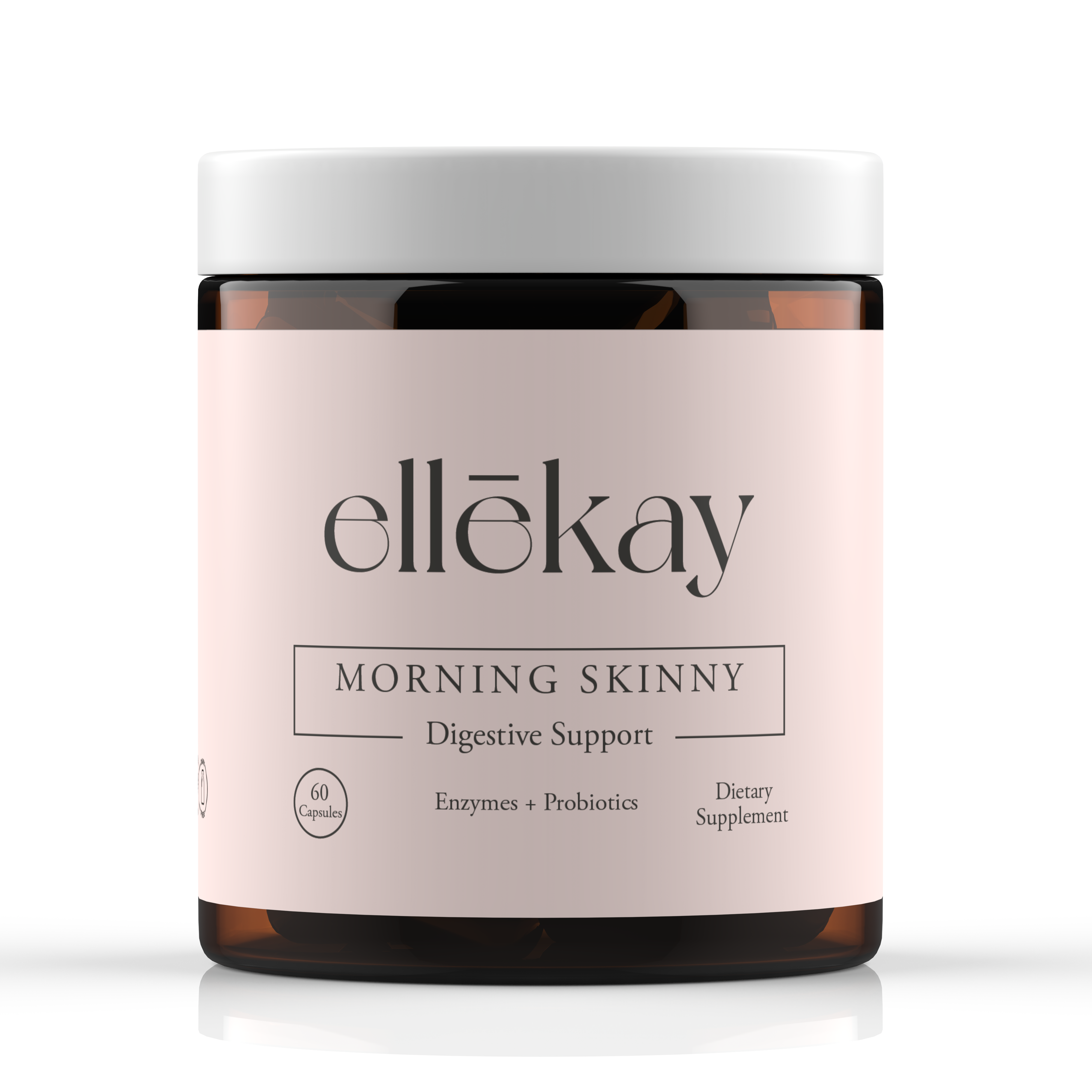
Morning Skinny is formulated to support gut wellness from the inside out, designed around your natural digestive rhythm as part of your morning routine. If you have questions about whether it is the right fit for you, reach out to the Ellekay team any time.
Frequently Asked Questions
Can digestive enzymes cause bloating?
Yes, temporarily. Some people notice increased bloating gas in the first few days of starting a digestive enzyme supplement. This is usually a sign of your gut adjusting and typically resolves within a week. Taking your supplement with food rather than on an empty stomach helps reduce the chance of this experience.
Are digestive enzymes safe for daily use?
For most healthy adults, yes. Long-term research on pancreatic enzyme replacement therapy used in conditions like cystic fibrosis supports a solid general safety profile. If you have an existing disease, are on medication, or have digestive health concerns, your doctor is the best person to advise you.
What digestive enzyme side effects should I tell my doctor about?
Severe abdominal pain, pain that radiates to the back, blood in your stool, or any signs of an allergic reaction all warrant a call to your doctor. These are not typical effects of a standard enzyme supplement and may point to an underlying problem that needs proper evaluation.
Do digestive enzymes interact with medications?
Some enzyme products may interact with blood-thinning medications or affect how certain drugs are absorbed. Always let your doctor know about any new supplements you are adding, especially if you are managing a chronic condition or taking regular medication.
How long before I notice results?
Many women notice changes in bloating and digestive comfort within the first few days. For consistent, lasting results, taking your supplement daily alongside a balanced diet tends to deliver the most reliable improvements over time.