If you live with irritable bowel syndrome, you know how unpredictable your gut can feel. Bloating, cramping, and irregular digestion can disrupt even the best days. Digestive enzymes have been getting more attention as a natural way to support gut comfort, and many women with IBS are curious whether adding enzyme supplements to their daily routine could help ease symptoms.
What Digestive Enzymes Actually Do
Digestive enzymes are proteins your body naturally produces to break down food. They work throughout your digestive tract, from your saliva all the way to your small intestine, converting carbohydrates, fats, and proteins into forms your body can absorb. The key types include amylase (which breaks down carbohydrates and starches), lipase (which breaks down fats), and protease (which breaks down proteins). When enzyme production is insufficient or disrupted, undigested food particles can travel into the large intestine where gut bacteria ferment them, producing gas and the uncomfortable bloating that many women with IBS experience on a regular basis.
How IBS and Digestive Enzyme Function Are Connected
Irritable bowel syndrome is a functional gut condition affecting roughly 10 to 15 percent of people worldwide, with women diagnosed at significantly higher rates than men. IBS symptoms, including abdominal pain, bloating, constipation, and diarrhea, can closely mirror the experience of digestive enzyme insufficiency. Researchers studying the small intestine have found that some individuals with IBS show altered enzyme activity compared to those without the condition, suggesting that supporting enzyme function may help reduce certain symptom patterns. Multiple published studies in gastroenterology journals have explored the link between pancreatic enzyme output and functional digestive disorders, pointing to enzyme insufficiency as an underrecognized factor in chronic gut discomfort.
While digestive enzymes are not a cure for irritable bowel syndrome, and they should never replace guidance from a healthcare provider, they may offer meaningful supportive relief for some women managing IBS symptoms through a holistic wellness routine.
The Main Types of Digestive Enzymes Worth Knowing
Not all enzyme supplements are formulated the same way. Understanding the types helps you make a more informed choice.
Amylase breaks down starches and carbohydrates in the digestive tract. For women whose IBS symptoms worsen after starchy meals, amylase support may reduce fermentation and gas production further down the gut.
Lactase digests lactose, the sugar found in dairy products. Lactose intolerance is especially common among people with IBS, and supporting lactase activity around dairy-containing meals may reduce bloating and discomfort noticeably.
Protease breaks down proteins, supporting absorption and reducing the load of undigested protein that can irritate a sensitive gut lining.
Lipase assists with fat digestion. Since fat is the slowest macronutrient to break down, lipase support may ease post-meal heaviness and cramping for women with IBS.
Bromelain and papain are plant-derived enzymes sourced from pineapple and papaya. Both have been studied for their anti-inflammatory and protein-digesting properties, which may benefit women with digestive sensitivity and IBS-related discomfort.
What the Research Says About Digestive Enzymes and IBS
The science connecting digestive enzyme supplements to IBS symptom relief is still developing, but the early findings are encouraging. Studies published in gastroenterology research journals have examined enzyme activity levels in IBS patients and found associations between reduced digestive enzyme output and greater symptom severity. A foundational line of research has specifically explored pancreatic enzyme insufficiency as a contributing factor in diarrhea-predominant IBS (IBS-D), with some researchers finding that broad-spectrum enzyme supplements helped reduce bloating and improved stool consistency in participants with functional gut symptoms.
Researchers have also established a clear connection between lactase deficiency and IBS overlap, finding that a meaningful portion of people diagnosed with irritable bowel syndrome have concurrent lactose malabsorption that goes unrecognized. Addressing this with targeted lactase support through digestive enzyme supplements can lead to noticeable improvements in digestive comfort for that group.
Results across studies vary depending on IBS subtype, the individual's diet, and the specific enzyme formulation used. More large-scale clinical research is still needed, but existing evidence supports the use of enzyme supplements as a complementary tool for women managing IBS symptoms through a wellness-forward approach.

How to Choose a Digestive Enzyme Supplement
When evaluating digestive enzyme supplements for IBS support, a few factors make the most difference. A broad-spectrum formula that includes multiple enzyme types is generally more useful than a single-enzyme product, since IBS symptoms typically span more than one food group. Potency, measured in activity units (such as FCC or ALU units), is a more reliable indicator than milligrams alone because activity levels reflect how effectively the enzyme actually works in your digestive tract.
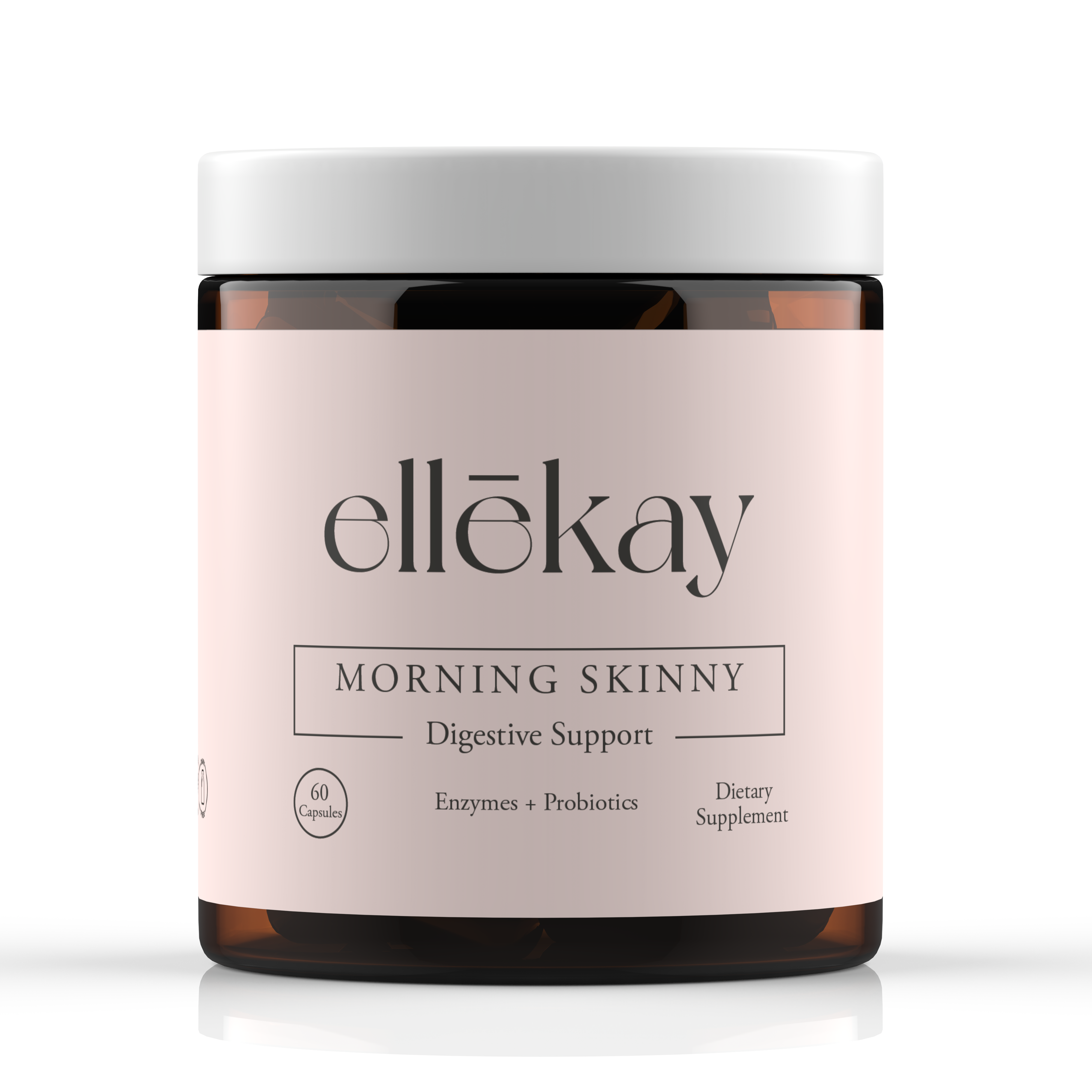
For women looking for a daily digestive health supplement designed with gut wellness in mind, Morning Skinny is formulated to support everyday comfort and reduce that heavy, bloated feeling from the inside out. Pairing a quality supplement with gut-friendly daily habits can make a real difference in how you feel.
Daily Habits That Support Digestive Enzyme Function
Enzyme supplements work best as part of a broader approach to digestive health. A few habits worth building into your routine:
Chew your food slowly. Digestion starts in your mouth, where amylase in your saliva begins breaking down carbohydrates. Eating quickly bypasses this first stage and puts added pressure on the enzymes produced further down the digestive tract.
Track your trigger foods. Common IBS triggers include high-FODMAP foods, lactose-containing dairy, and certain high-fiber vegetables. A simple food and symptom log helps you identify patterns and adjust your diet without eliminating more than necessary.
Manage stress consistently. The gut-brain connection is well established, and chronic stress directly influences gut motility and enzyme secretion. Gentle movement, breathwork, and consistent sleep all support a healthier digestive environment for women with IBS.
Frequently Asked Questions
Can digestive enzymes replace other IBS treatments?
Digestive enzyme supplements are a supportive wellness tool, not a medical treatment for irritable bowel syndrome. If you have been diagnosed with IBS, work with your healthcare provider on a comprehensive care plan. Enzyme supplements may complement dietary changes and stress management strategies, but they are not a standalone solution and should not replace professional medical guidance.
How quickly might digestive enzymes help with IBS symptoms?
Most people take digestive enzyme supplements with meals. Some women notice improved gut comfort within one to two weeks of consistent use, while others need a few weeks longer. Results vary based on IBS subtype, diet, and individual digestive chemistry. Giving any new supplement at least four weeks of consistent use before evaluating its full impact is a reasonable and practical approach.
Are digestive enzymes safe for daily use?
For most healthy adults, digestive enzyme supplements are well-tolerated and considered safe for ongoing use. If you have a history of pancreatitis, enzyme-related conditions, or are currently taking prescription medications, consult your healthcare provider before adding enzyme supplements to your routine.
What is the difference between digestive enzymes and probiotics?
Digestive enzymes break down food components directly in the digestive tract during a meal, while probiotics are beneficial bacteria that support the gut microbiome over time. They work in complementary ways: enzymes improve how your body processes food in the moment, while probiotics support the bacterial environment that influences digestion, immunity, and mood. Many women find that using both together offers more consistent gut support than either one alone.
If you are ready to explore daily digestive support, Morning Skinny was created with everyday gut comfort in mind. Have questions about what might work best for your wellness goals? Reach out to the Ellekay team at myellekay.com/pages/contact.