Your gut encounters plant fiber at every meal, and how well you break it down shapes how you feel for hours afterward. Cellulase and hemicellulase are two specialized digestive enzymes that target the tough structural components in plant foods. Understanding what they do, and why your body may benefit from extra support, can help you make smarter choices for your daily digestive health.
What Plant Cell Walls Are Actually Made Of
Every vegetable, fruit, legume, and grain you eat is enclosed by a cell wall. These walls are built from layered polysaccharides and give plant foods their structure, texture, and fiber content. The main structural components are cellulose, hemicellulose, and pectin, along with smaller amounts of lignin and other materials.
Hemicellulose is a branched, heterogeneous polysaccharide that acts as a cross-linking agent between cellulose fibers within the plant cell wall matrix. Unlike cellulose, which is composed of repeating glucose units, hemicellulose contains a mix of sugars including xylose, arabinose, and mannose. This complex, branched structure makes it especially resistant to digestion in the upper GI tract.
The more varied the plant foods in your diet, the wider the range of cell wall structures your digestive system has to process, which is exactly why enzyme diversity matters.
How Cellulase and Hemicellulase Break Down Fiber
Cellulase is the enzyme that cleaves the beta-1,4-glycosidic bonds holding cellulose chains together. Hemicellulase works alongside it, targeting the hemicellulose fraction of plant cell walls. Neither enzyme works in isolation. Effective fiber degradation requires coordinated enzymatic activity from a group of specialized proteins working in sequence.
Hemicellulase is not a single enzyme but a group of enzymes. This group includes xylanase, which targets xylan chains in grain and vegetable fiber, and mannanase, which breaks down mannans found in legumes and some seeds. Together, cellulase and hemicellulase drive the complete degradation of the fibrous scaffold inside plant foods.
Research documenting the enzymatic breakdown of plant cell wall materials, including work by Pérez, Muñoz-Dorado, de la Rubia, and Martínez (International Microbiology, 2002), described how complete fiber degradation requires synergistic enzymatic activity across multiple enzyme classes, including both cellulase and hemicellulase, to break down plant cell walls thoroughly.
Why the Human Gut Struggles With Plant Fiber
Here is something that surprises many people: the human body does not produce cellulase on its own. Any cellulase activity in the gut comes from certain microorganisms in the microbiome. Hemicellulase production by gut bacteria also varies significantly between individuals and can be limited depending on microbiome diversity and overall gut health.
This gap matters practically. When plant fiber is not broken down effectively in the upper digestive tract, it moves into the colon relatively intact. There, bacteria ferment it rapidly, producing gas as a byproduct. For many women, this process contributes to the bloating, pressure, and discomfort they feel after high-fiber meals including salads, beans, and cruciferous vegetables.
Supporting enzymatic processes with a targeted daily supplement may help address this gap, particularly for women who eat a plant-forward diet and regularly experience post-meal bloating.
The Bloat Connection: Hemicellulase Activity in the Upper GI
Hemicellulase activity in the upper digestive tract serves a specific and practical purpose. When hemicellulase breaks down hemicellulose fractions before food reaches the colon, less undigested fermentable material accumulates at the lower end of the digestive tract. This translates to less gas production, less bloating, and greater comfort after eating.
Findings from applied enzyme research in animal feed science support this mechanism. Studies on hemicellulase supplementation in animal feed applications, including research led by Bedford and colleagues, have consistently demonstrated that adding hemicellulase to enzyme blends improves the extraction of nutrients from plant-based feeds and reduces the unfermented fiber load reaching the hindgut. The mechanistic principles are directly relevant to human digestion as well.
For women who want to feel lighter and more comfortable after meals, supporting hemicellulase activity is a practical, evidence-aligned approach to daily gut wellness.
Pectinase, Xylanase, and the Full Enzyme Picture

Hemicellulase does not work alone in a well-formulated digestive enzyme blend. Pectinase targets pectin, the gel-like polysaccharide concentrated in the cell walls of fruits and many vegetables. Xylanase, a core component within the hemicellulase enzyme group, breaks down xylan, the dominant hemicellulose polymer in cereal grains and leafy brassicas.
In food production and juice extraction, pectinase and hemicellulase have long been used together to break down plant cell walls for better nutrient yield and improved clarity. The same enzymatic logic applies to digestion: when plant cell walls are more fully broken down, the vitamins, minerals, and phytonutrients stored inside become more bioavailable to the body.
A complete digestive enzyme blend that includes cellulase hemicellulase activity alongside pectinase and xylanase gives your gut the tools it needs to handle the full complexity of plant fiber, from the soft pectin in berries to the dense hemicellulose in whole grains.
What This Means for Your Morning Wellness Routine
If you eat a plant-rich diet and still struggle with bloating, sluggishness, or discomfort after meals, incomplete fiber digestion may be a contributing factor. Daily enzyme support that includes hemicellulase, cellulase, pectinase, and xylanase addresses the full spectrum of plant fiber structures you encounter throughout the day.
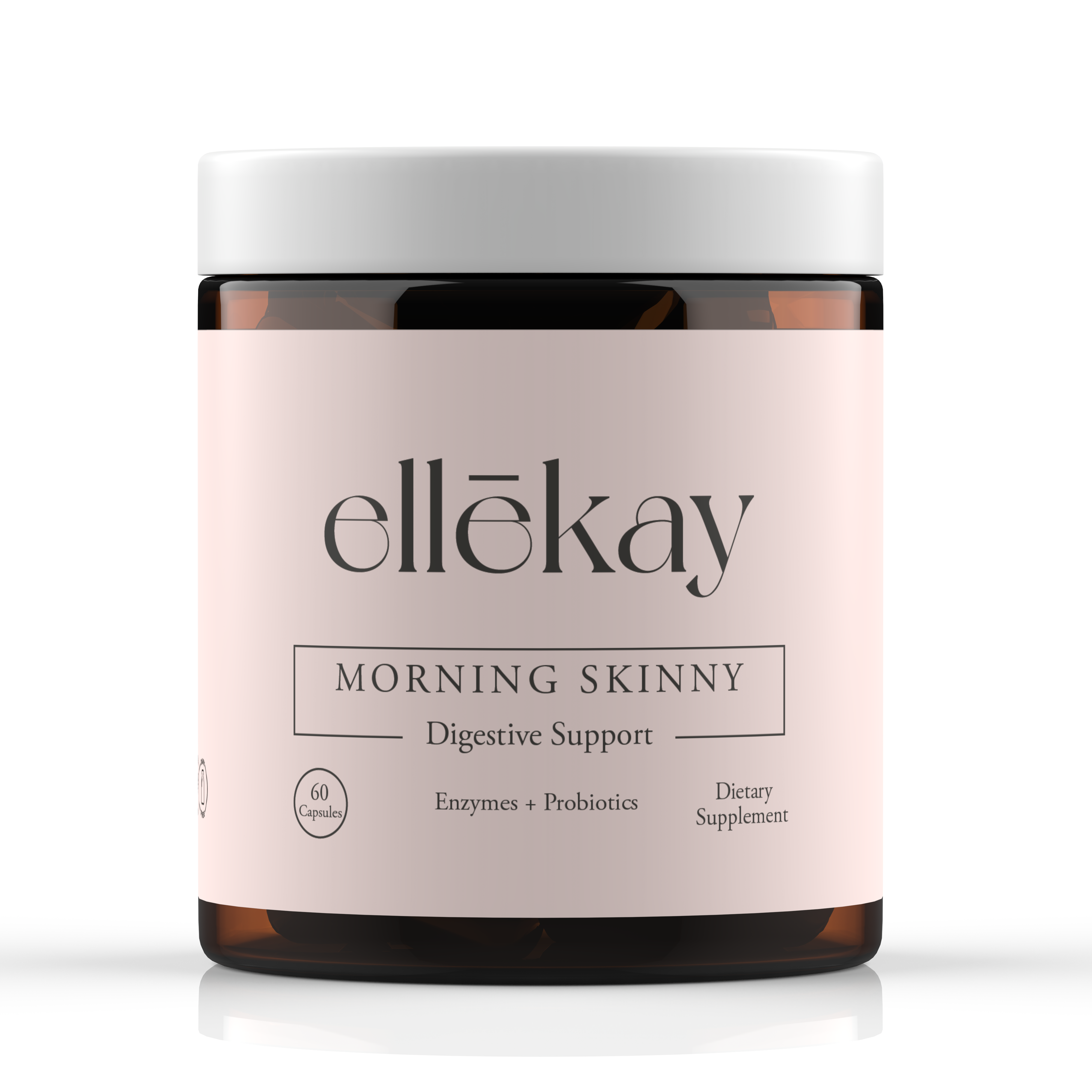
Morning Skinny is formulated to support daily digestive wellness for women, bringing together key digestive enzymes with gut-supporting ingredients designed to help you feel lighter, more comfortable, and more energized from the inside out. Taking it as part of your morning routine sets your digestive system up to handle whatever plant foods come its way.
Frequently Asked Questions
What is hemicellulase and what does it do in digestion?
Hemicellulase is a group of enzymes that break down hemicellulose, a structural polysaccharide found in plant cell walls. In the digestive tract, hemicellulase activity helps reduce the amount of undigested plant fiber that reaches the colon, which may support reduced bloating and gas production after high-fiber meals.
Does the human body produce cellulase or hemicellulase naturally?
No. Humans do not produce cellulase or hemicellulase endogenously. Limited cellulase and hemicellulase activity in the gut comes from certain microbiome bacteria, but this varies widely between individuals. Supplemental enzymes can be a helpful addition for women who eat a lot of plant foods and experience regular digestive discomfort.
How is xylanase related to hemicellulase?
Xylanase is a specific enzyme within the hemicellulase family. It targets xylan, a xylose-based polymer that makes up a significant portion of hemicellulose in cereal grains and vegetables. Hemicellulase is the broader term that includes xylanase, mannanase, and related enzymes that collectively break down different forms of hemicellulose in plant foods.
What is the difference between pectinase and hemicellulase?
Pectinase breaks down pectin, a gel-forming polysaccharide found primarily in the cell walls of fruits and some vegetables. Hemicellulase targets hemicellulose, which is more prevalent in grains, legumes, and leafy vegetables. Both enzymes play important roles in complete plant cell wall degradation, and a well-rounded enzyme supplement includes both.
Who benefits most from hemicellulase supplements?
Women who eat a plant-forward diet and regularly experience bloating, fullness, or digestive discomfort after meals are often the best candidates. Hemicellulase production varies between individuals and can be limited by microbiome imbalances, so supplemental support helps fill the gap.
If you have questions about whether a digestive enzyme supplement is right for you, the Ellekay team is here to help. Reach out any time and we will be glad to point you in the right direction.