
Subscribe & Save 10% + Free Shipping · 30-Day Feel-Better Promise
ellēkay
Woman eating a balanced dinner of salmon and avocado to support fat digestion during perimenopause

Why Perimenopause Changes How You Digest Fat, and What to Do at Dinner

By Ellekay Team, Women's Wellness ExpertsOctober 16, 20268 min read

If fatty meals suddenly leave you bloated, gassy, or exhausted after dinner, you're not imagining it: perimenopause changes how you digest fat by altering the estrogen that keeps bile and lipase moving efficiently. Here's why perimenopause changes how you digest fat, and what to do at dinner, from meal timing to a gut-supportive routine like the Morning Skinny formula.

By Ellekay Team, Women's Wellness Experts

Perimenopause is the transition leading into menopause, and it comes with a steady decline in estrogen that ripples well past your cycle and your period. Estrogen doesn't just affect hot flashes and mood, it also plays a role in how your liver produces bile and how efficiently your pancreas releases the enzyme lipase, the two systems most responsible for breaking down dietary fat. As estrogen fluctuates and eventually drops, bile can become more concentrated and gut motility slows, meaning fat sits in your digestive tract longer before it's broken down and absorbed. That slower breakdown is also tied to how your body handles blood sugar: fat that lingers undigested can affect the way insulin responds after meals, one reason perimenopause and menopause are linked to a higher risk of type 2 diabetes and cardiovascular disease if diet and lifestyle don't adjust alongside your hormones. Many women describe fatty foods as "suddenly" bothering them in midlife, but the shift isn't sudden, it's the accumulation of a hormone decline that's been building for years. Once you understand why perimenopause changes how you digest fat, and what to do at dinner, the fixes are surprisingly practical.

How Does Declining Estrogen Affect Bile and Lipase Production?

Estrogen receptors sit throughout the liver and gallbladder, and they help regulate how much bile is produced and how easily it flows into the small intestine. When estrogen declines, bile can thicken and move more sluggishly, which makes it harder to emulsify fat into small enough particles for enzymes to act on. At the same time, some women see a drop in pancreatic lipase output, the enzyme that splits fat molecules apart so they can be absorbed further down the digestive tract. Together, thicker bile and lower lipase activity are the two mechanical reasons a fatty dinner that never bothered you in your 30s can now leave you uncomfortable for hours. Hormone therapy is one option some women discuss with their doctor to help stabilize estrogen levels, but bile and enzyme support through food and lifestyle helps regardless of whether hormone therapy is part of the plan.

What Are the Signs Your Body Is Struggling to Digest Fat During Perimenopause?

The most common signs show up within an hour or two of a fatty meal: bloating, gas, a heavy or full feeling under the right ribs, greasy or loose stools, nausea, or a wave of fatigue right after dinner. Some women also notice these symptoms cluster with other menopausal symptoms, hot flashes, disrupted sleep, and mood swings, since all of it traces back to the same hormone decline. Unexplained weight gain around the midsection is another flag, since fat that isn't broken down and used efficiently is more likely to be stored rather than metabolized. Gut symptoms in your 40s often spike for the same reason bloating spikes around your period earlier in life: hormone swings widen and gut motility becomes less predictable. These digestive changes are common in midlife, not a sign that something is wrong, but a pattern worth paying attention to. If bloating shows up specifically after fat, rather than after every meal, that points more toward a bile or enzyme gap than a general digestive issue.

Woman plating a light dinner of salmon, avocado, and leafy greens on a kitchen counter

What Should You Eat at Dinner to Support Fat Digestion in Perimenopause?

Now that you know why perimenopause changes how you digest fat, and what to do at dinner comes down to a few practical swaps rather than cutting fat out entirely. Dinner works best when it pairs a moderate amount of fat with fiber: whole grains, leafy greens, and other high-fiber vegetables slow the rise in blood sugar that a heavier meal can cause and help balance it rather than letting it spike, while also giving gut motility something to work with. Good fat sources at dinner include olive oil, avocado, and fatty fish like salmon, which supply omega-3 fats that support cardiovascular disease prevention while also carrying the fat-soluble vitamins and minerals, A, D, E, and K, that the body can only absorb alongside dietary fat. A small amount of bitter greens, like arugula or radicchio, or a splash of lemon in water before the meal can help stimulate bile flow naturally. Keeping portions moderate rather than large also supports weight management, since a smaller, well-paired plate is easier for a slower digestive system to process fully. Protein at dinner, eggs, poultry, or legumes, helps preserve muscle, and regular exercise earlier in the day supports the same gut motility and muscle maintenance that estrogen decline puts under strain.

What Foods Should You Avoid at Dinner During Perimenopause?

Fried foods, heavy cream-based sauces, large portions of fatty red meat, and processed meats ask the most of a bile and enzyme system that's already working harder than it used to. Alcohol close to bedtime is worth limiting too, it slows digestion further and can intensify hot flashes overnight. Very large dinners in general are harder to break down than the same food spread across a smaller plate with a light snack earlier in the evening.
Can Digestive Enzymes Help You Digest Fat Better at Dinner?

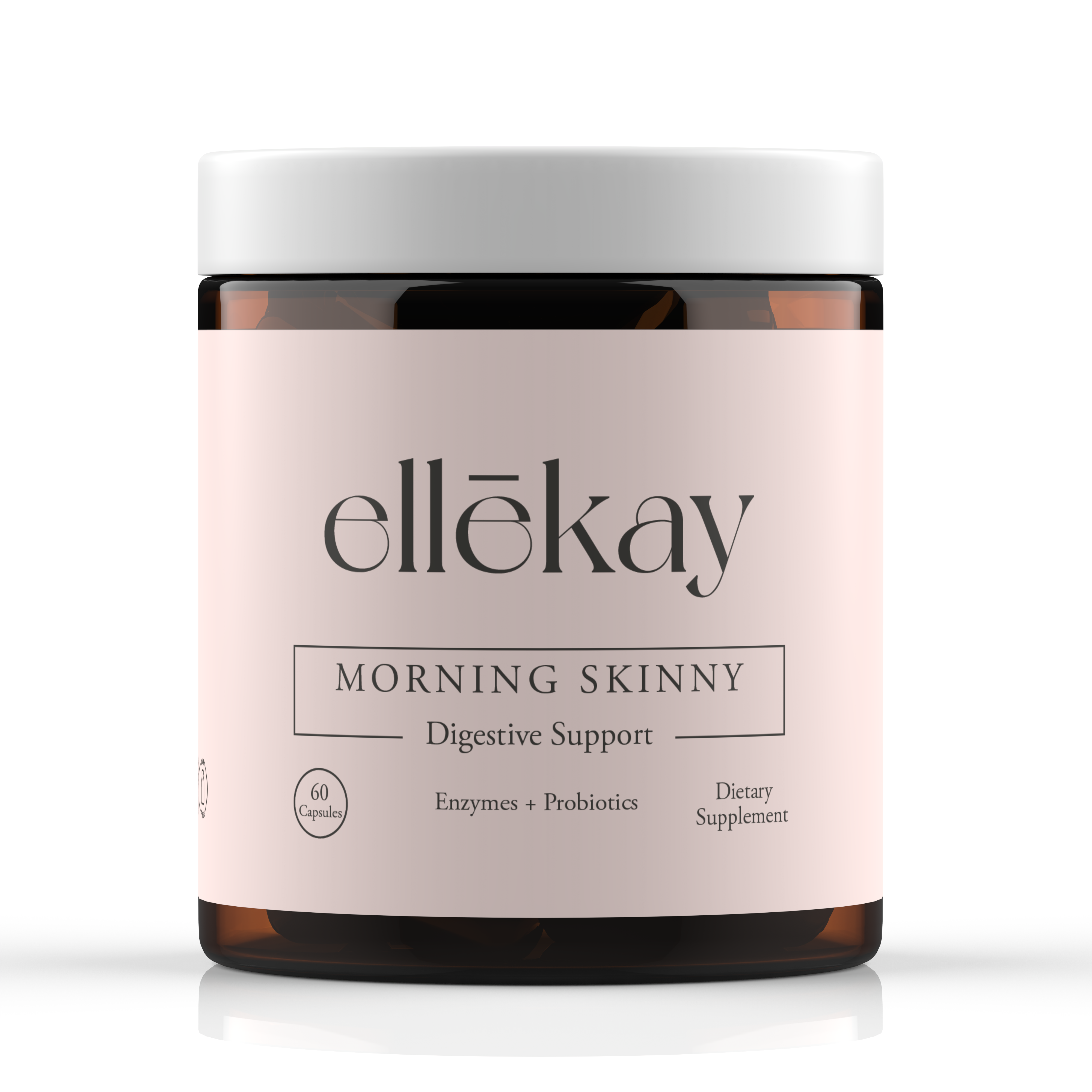
For many women, yes. A digestive enzyme blend that includes lipase, and sometimes ox bile, can pick up where a slower natural bile and enzyme system leaves off, helping fat break down more completely before it reaches the lower digestive tract. Perimenopause can mean an increased need for enzyme support at dinner specifically, since that's typically the largest and fattiest meal of the day. The same lipase and bile-salt formulas that help clear heavier meals on a high-fat, low-carb diet can ease post-dinner heaviness during perimenopause too, since the mechanical problem, not enough bile or lipase relative to the fat on the plate, is similar in both cases. Enzymes work best as support alongside the dietary changes above, not as a replacement for them. Pairing a lipase-forward supplement with the Morning Skinny gut-debloat blend supports gut health and general bloating together, which matters since perimenopause symptoms rarely show up in isolation.

Does the Timing of Dinner Matter for Fat Digestion in Perimenopause?

Yes, timing matters as much as content. Eating dinner at least two to three hours before lying down gives bile and enzymes time to work while you're still upright, which lowers the odds of reflux and overnight bloating. Digestion and gut motility both slow down in the evening as part of the body's normal circadian rhythm, and that slowdown is more pronounced once estrogen decline is added on top of it. A dinner eaten too late, especially a heavier one, is more likely to sit undigested in the lower digestive tract overnight than the same meal eaten earlier and given time to move through fully.

Frequently Asked Questions

Why do fatty foods suddenly bother me during perimenopause? It's rarely sudden, it's cumulative. As estrogen declines through perimenopause, bile production slows and pancreatic lipase output can dip, so fat isn't broken down as efficiently as it once was. A meal that was fine in your 30s can now sit heavier, longer, which is why the change can feel abrupt even though the hormone shift behind it has been gradual.

What is the best time to eat dinner during perimenopause for better digestion? Most women do better eating dinner at least two to three hours before bed, in the early evening rather than late at night. This gives bile and enzymes time to process fat while you're upright and digestion is naturally more active, lowering the odds of overnight bloating, reflux, or a heavy feeling the next morning.

Do digestive enzymes help with bloating after fatty dinners in perimenopause? For many women, yes. A lipase-containing enzyme blend can supplement a bile and enzyme system that's producing less than it used to, easing bloating and heaviness after a fatty meal. Results vary by individual, so it's worth trying alongside dietary changes rather than as a stand-alone fix, and checking with a doctor if bloating is severe or persistent.

Can low estrogen cause gallbladder or bile problems? Estrogen decline can thicken bile and slow how efficiently it moves from the gallbladder into the small intestine, which is part of why gallbladder issues become more common around perimenopause and menopause. Persistent pain under the right ribs, especially after fatty meals, isn't something to self-diagnose, it's worth a conversation with a doctor to rule out gallstones or other gallbladder conditions.

How long does perimenopause fat digestion trouble last? It varies widely. For some women, symptoms ease once hormones stabilize after menopause; for others, dietary and lifestyle adjustments, or hormone therapy discussed with a doctor, make a bigger difference than waiting it out. Because the timeline isn't the same for everyone, tracking your own symptoms against meals is more useful than expecting a fixed end date.

Start Supporting Your Gut Through the Perimenopause Transition

Knowing why perimenopause changes how you digest fat, and what to do at dinner each night takes the guesswork out of planning meals around a shifting hormone system. If you want extra enzyme and bile support alongside those dinner swaps, explore Ellekay's Morning Skinny.

SharePostSharePin
Morning Skinny by ellēkay jar of 60 vegetable capsules

Your debloat bestie

Reading about gut comfort is good. Feeling it is better.

Morning Skinny puts everything above into one ritual: two capsules with water after your largest meal, so that light, comfortable feeling stays with you.

1536+ reviews

  • Akkermansia

    The clinically studied keystone strain your gut lining loves, over 3 billion TFU per serving.

  • 9 enzymes

    A 136mg digestive blend that helps break down your largest meal while you get on with your day.

  • 4 botanicals

    Calming, dosed herbs so you get up from the table comfortable, not heavy.

Shop Morning Skinny

Backed by the 30-Day Feel-Better Promise: take it daily, and if you don't feel better by day 30, we refund you.

Morning Skinny by ellēkay jar

Morning Skinny

Two capsules after your largest meal

Try Morning Skinny